


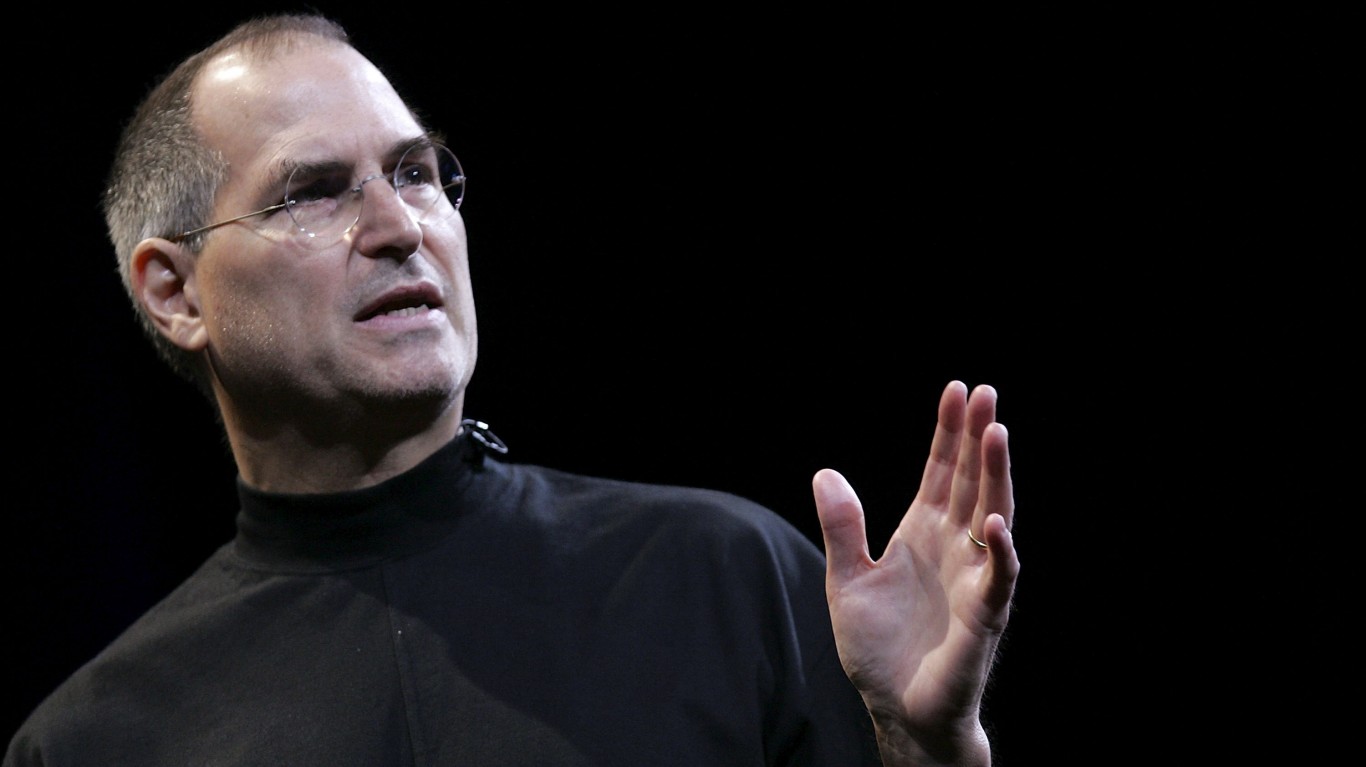
In 2007, Apple opened the smartphone era. In 2026, Apple (NASDAQ:AAPL | AAPL Price Prediction) is positioned to close it. The handheld glass slab that reshaped computing is now the thing the industry is racing to replace with always-on, heads-up ambient AI. The company that drew the first map is drawing the next one.
Q2 FY2026 net sales hit $111.2 billion, up 17% year over year, with net income of $29.6 billion, up 20%. iPhone alone delivered $57 billion, fueled by what Tim Cook called “extraordinary demand for the iPhone 17 lineup.” Services set an all-time record at $31 billion, up 16% YoY, at gross margins near 76%. R&D rose to $8.2 billion, up 34%, pointed at glasses and AI.
The roadmap is the thesis
Apple refreshed Vision Pro to the M5 silicon last year and is reportedly preparing a Vision Air for 3Q 2027, over 40% lighter than the original Vision Pro, swapping titanium and glass for magnesium alloy and plastic and an iPhone-grade processor to drop the price. In 2Q 2027, Apple is expected to ship Ray-Ban-style AI glasses with voice and gesture control, acetate frames, and four designs in testing including a Wayfarer-style and slim rectangular look favored by Cook. Vision Pro Gen 2 follows in 2H 2028 with LCoS waveguides. Targeted weight: under 50 grams, achieved by tethering compute to the iPhone “puck.”
The structural advantages
Three moats no rival can match:
- Distribution. The 1 billion+ iPhone install base (Apple counts 2.5 billion active devices across categories) becomes the compute puck for glasses.
- Silicon. Apple has reportedly booked over 50% of TSMC’s initial 2nm capacity for 2026. The GAA nanosheet design delivers up to 30% better power efficiency than 3nm, decisive for heat-limited eyewear.
- Cash. A $123 billion cash position funds multi-year memory pre-pays as DRAM and HBM prices have surged 80 to 90% versus late 2025. Apple returned $36 billion in buybacks over a six-month stretch and authorized another $100 billion.
Google and Meta as foils
Google’s Android XR leans on Warby Parker, Gentle Monster, Gucci, Samsung, and Xreal. Smart, but fragmented. Meta has a head start with Ray-Ban Meta. Apple owns the customer, the silicon, and the storefront in-house.
The inflection
Smart glasses unit volume is projected to rise from 6 million in 2025 to 20 million in 2026, with 2026 the breakout year before Apple enters. With roughly 69% of the global population needing corrective eyewear, the addressable surface is enormous. Apple is arriving late on purpose. That is the iPhone playbook.
Risks are real: U.S. and EU antitrust pressure on App Store economics, GDPR backlash against camera-equipped frames, 2nm and HBM4 yield slips. None break the thesis. Prediction markets price 95.5% odds on an iPhone 18 launch in 2026 and 83% on a foldable iPhone before 2027. By 2030, the smartphone peak will be remembered as the precursor to the ambient era.
Once again, Apple is drawing the new map.















 Top Gaining Stocks
 Top Losing Stocks