


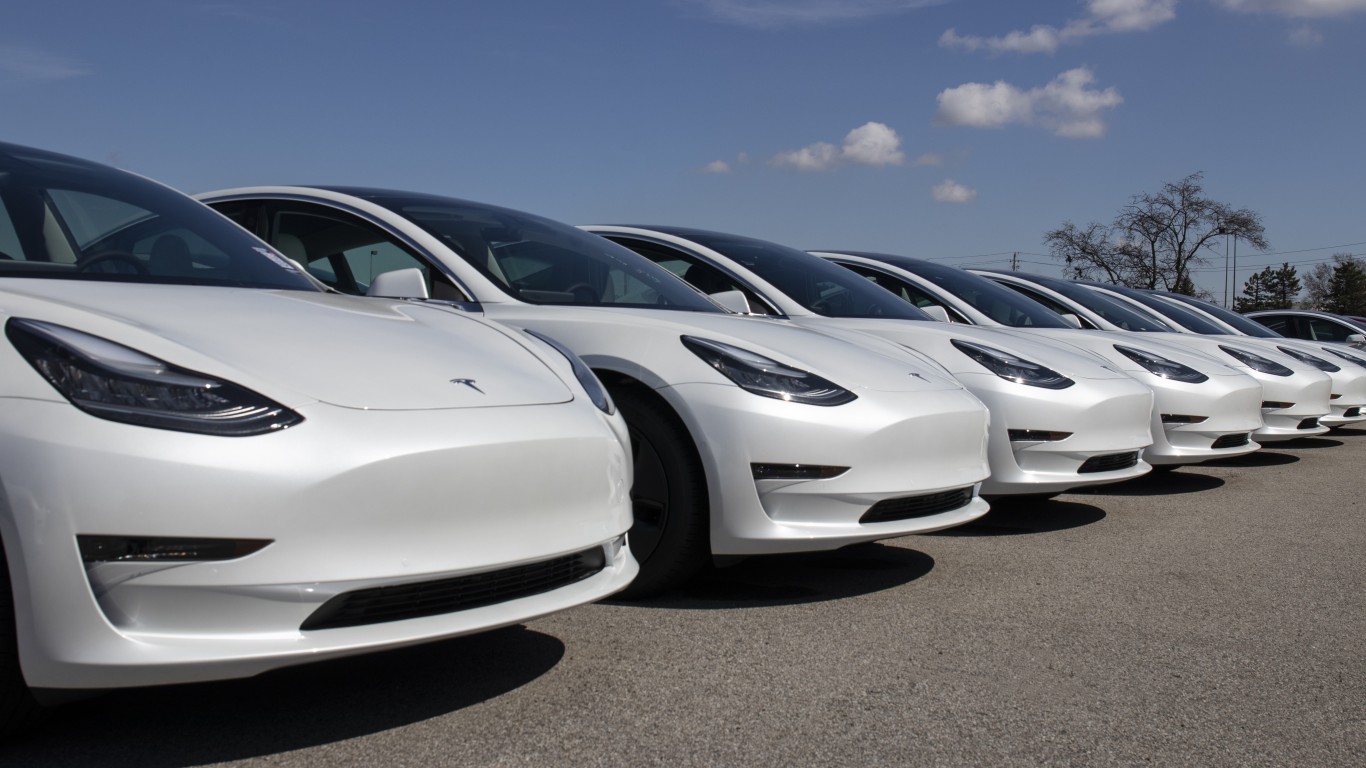
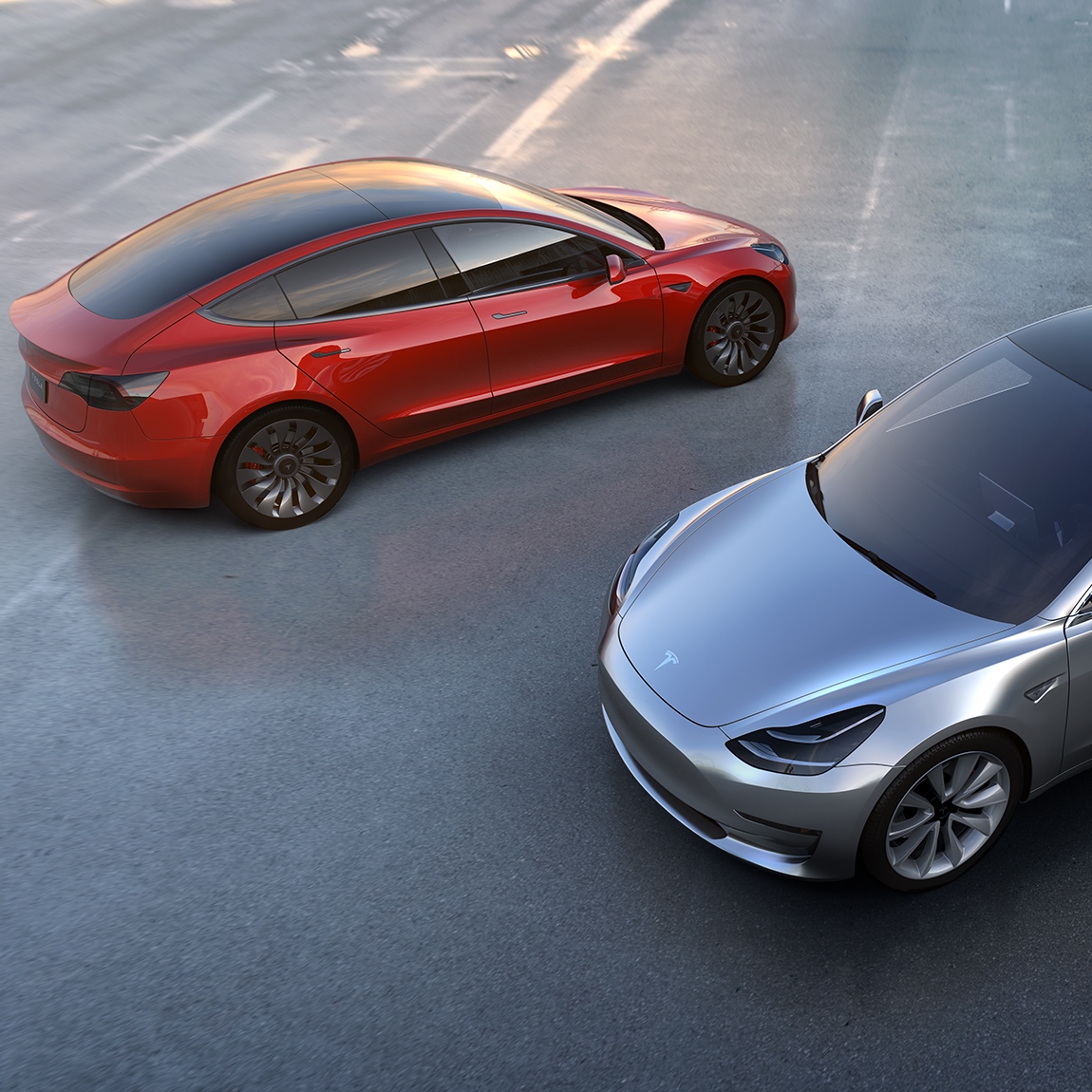
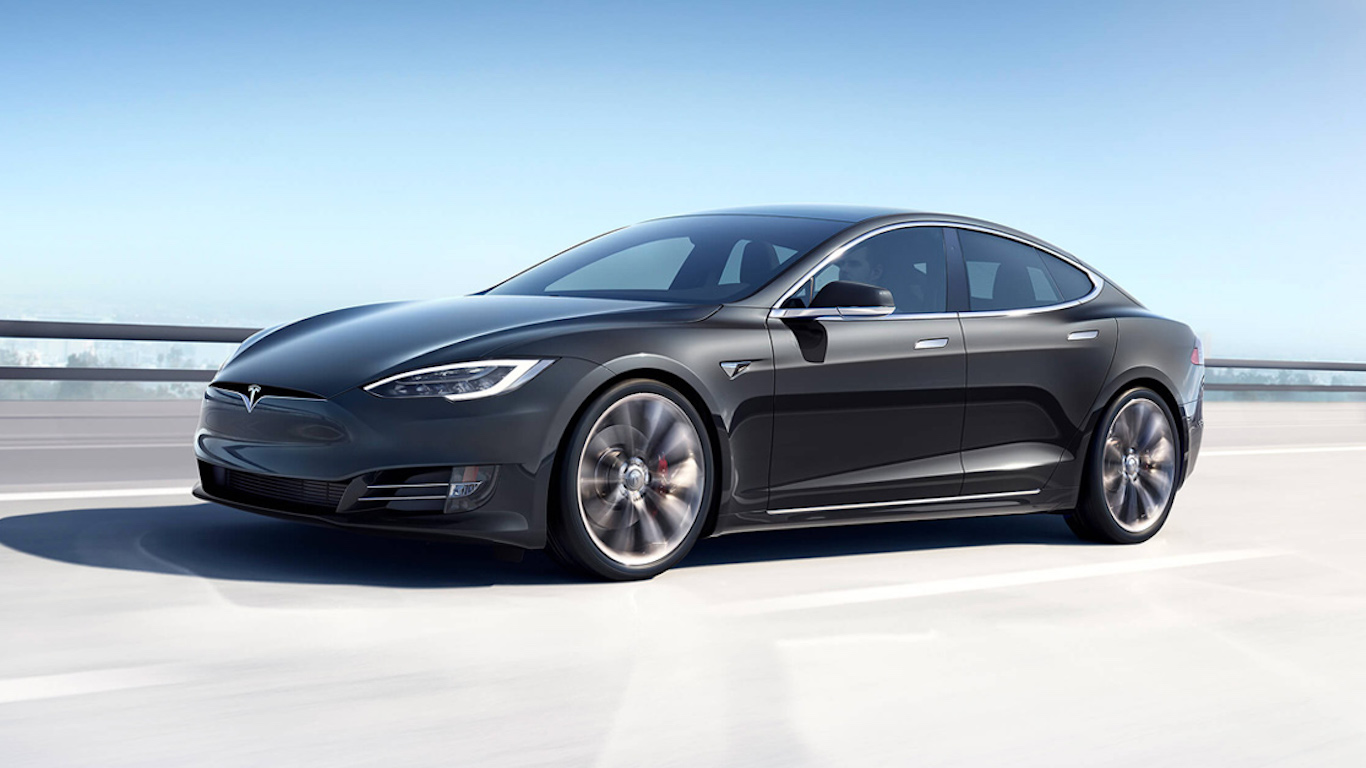
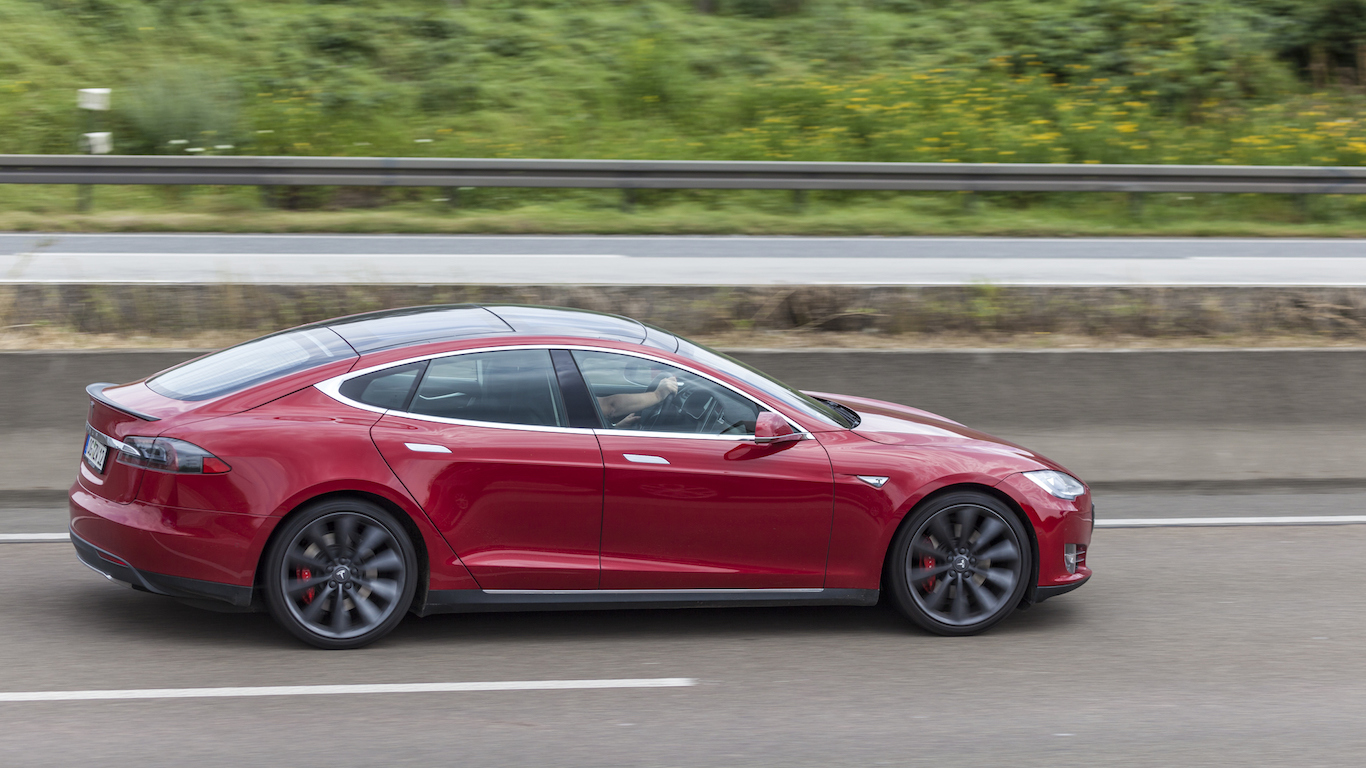
A base-level Tesla Model 3 has a sticker price of $40,240. Because the electric vehicle (EV) costs less than $80,000, buyers qualify for a federal tax credit of $7,500 under the Inflation Reduction Act passed a year ago this month. Nearly every state also offers EV buyers additional incentives, however small, if they purchase an EV. Then, there is Colorado. (These are the most dependable car brands in America.)
In addition to the federal tax credit, Colorado residents (and you must be a resident and pay taxes in the state) are eligible for a tax credit of up to $5,000 when they buy a new EV. The credit expires on January 1, 2025.
But wait, there’s more.
Beginning January 1, buyers of a new EV with a sticker price below $35,000 qualify for an additional tax credit of $2,500. With the average price of a new car currently around $48,000 regardless of the power train, there are more EVs than you might think that qualify for this tax credit. Tesla’s Model 3 price drops to $32,740 after the maximum federal tax credit is applied, making the car eligible for this tax credit as well. The Chevy Bolt, Mini Cooper Electric and Mazda MX-30, among other EVs, all have entry-level prices that meet the requirement for this discount. This discount becomes effective on January 1, 2024.
[nativounit]
Trading in an old internal combustion-powered (ICE) vehicle that is at least 12 years old makes buyers eligible for an additional discount of up to $6,000, depending on the buyer’s income. If you want to purchase a used EV, the discount dips to a maximum of $4,000.
The cherry on top is a discount of up to $5,500 for a new EV or up to $3,000 on a used vehicle from Xcel Energy, Colorado’s largest supplier of electricity and natural gas. Like the trade-in program, this discount is based on a buyer’s income.
All told, buyers qualify for a total of up to $26,500 in incentives when they buy a new EV and $11,000 when they buy a used one.
[wallst_email_signup]
Colorado’s tax credits and other incentives are part of Governor Jared Polis’s goal to raise the number of EVs on the state’s streets and highways from around 86,000 currently to 940,000 by 2030. Unlike California, which has banned the sale of new ICE vehicles in the state beginning in 2035, Colorado chose to take the spoonful-of-sugar approach.
What about roads? If Colorado is successful at putting nearly a million new EVs on the road by 2030, how do the state and federal governments make up for the loss of the federal gasoline tax of $0.184 per gallon and $0.22 per gallon in Colorado state taxes and fees that are used to maintain roads? The average total state and federal tax on a gallon of gasoline in the United States is $0.5709 a gallon. EVs will not pay those taxes, but they will still be using the roads.
[recirclink id=1250731]
Some 33 states have adopted annual EV fees ranging from $50 in Colorado to more than $200 in several others. Texas, for example, imposes an upfront tax of $400 at the time of purchase and an annual fee of $200. Hawaii’s $225 annual fee is the highest.
Later this week, EV makers Lucid and Rivian will report their quarterly profits, or lack thereof. Lucid has no vehicle that meets the price ceiling in either Colorado or the United States. Lucid’s cheapest car has a sticker price of $87,400. Rivian’s electric pickup, the R1T, starts at $78,000. Both EV makers need to figure out how to get prices down quickly enough to remain competitive. That will not be easy.







 Top Gaining Stocks
 Top Losing Stocks