



More than 40% of Americans surveyed are concerned that rising interest rates will affect their personal financial situation, and 40% believe there will be an impact on the U.S. economy. Those between the ages of 30 and 49 express the most concern.
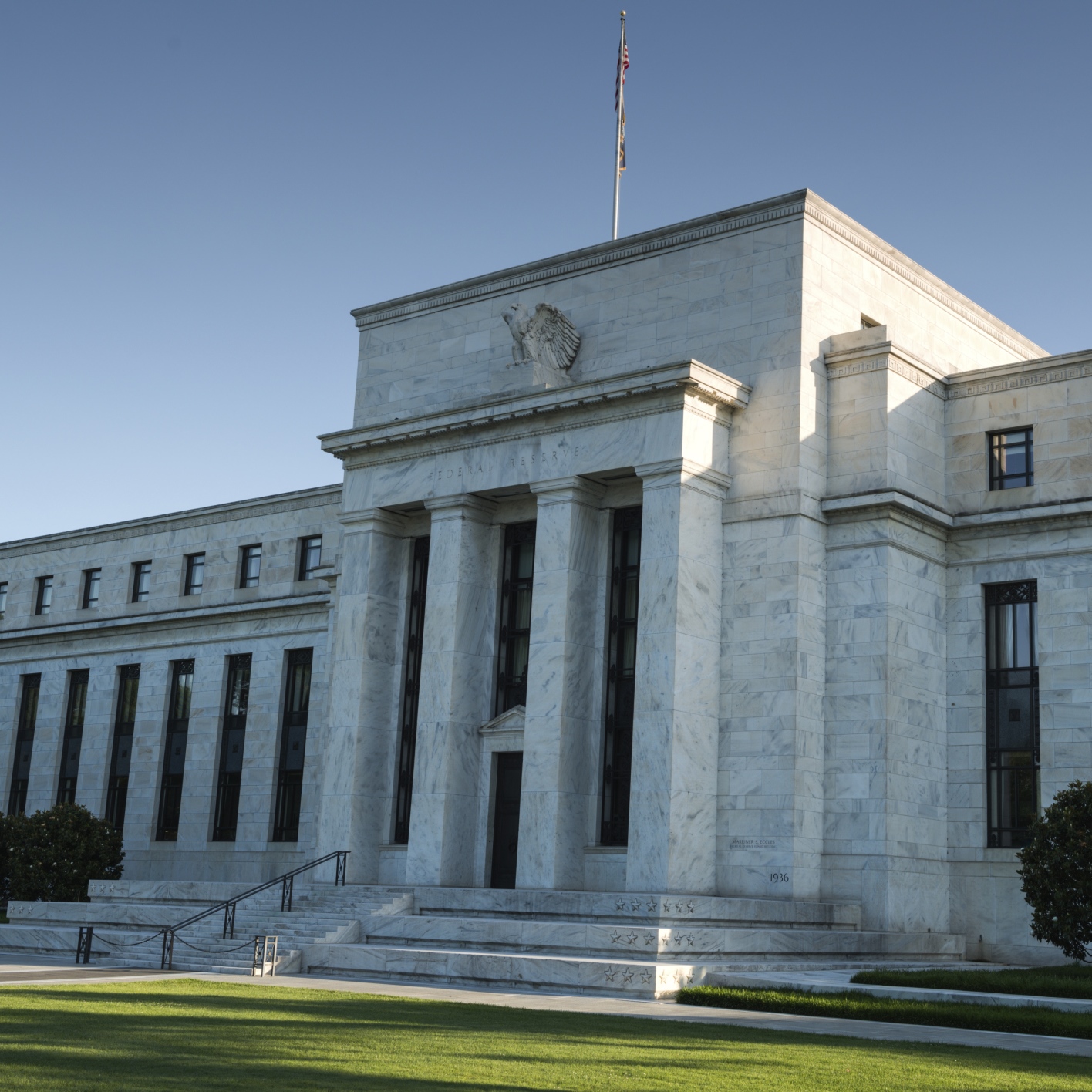
The Federal Reserve Bank raised interest rates by a quarter point last month, from a range of 0.00% to 0.25% to a new range of 0.25% to 0.50%, not exactly a huge jump. But the message that rates will begin to rise after years of stagnation clearly got through.
A telephone survey of 1,003 Americans was done by Bankrate.com in the second week of January. Those surveyed were asked whether they were concerned about expected interest rate hikes in 2016.
A Brookings Institution expert told Bankrate that age and economic status play a large part in whether consumers are concerned about rising interest rates. David Wessel noted:
Bottom line, those who buy bonds or CDs are going to win from higher rates, so they’re obviously going to be less concerned. But people who are in a lower income bracket or are younger and are in a borrowing phase, they’re going to be hurt by higher rates and they’re likely to be more concerned.
[ims_survey]
Fully 44% of Americans age 30 to 49 are concerned about rising interest rates, compared with 37% of Americans who are age 65 or over. Robert Dye, chief economist at Comerica Bank, said:
Older retirees may not have a house payment anymore, and are certainly not contemplating a new house, and they probably have a good handle on their debts, and they’re just not leveraged that much compared to young families who are buying that 1st home and expanding to 2 cars and having to buy all that stuff that comes with babies.
Another dividing line is income. Half of Americans who earn less than $30,000 annually were concerned compared with just 30% of Americans who earn at least $75,000. These percentages also match up well with educational levels, with half of Americans who hold at most a high school diploma saying they are concerned and just a third who have at least a college saying they are concerned.










 Top Gaining Stocks
 Top Losing Stocks