


It’s very easy to get lost in the cacophony of investment bank stock ratings and long-term trend calls on asset classes. When big banks like Goldman Sachs Group Inc. (NYSE: GS) or Citigroup Inc. (NYSE: C) come out with a new rating or prediction, as they just did regarding where the British pound will bottom post-Brexit, investors take notice and prices move. Sometimes, though, it helps to zoom out and see the forest for the trees. Should these banks be listened to, ignored or perhaps even used as contrary indicators?
Zooming out then, it may come as a shock, but out of the 10 largest investment banks by assets, only one of them, Bank of America Corp. (NYSE: BAC), has outperformed the S&P 500 since bear market bottom on March 6, 2009. Given that one of the main sources of income for investment banks is their hopefully successful trading activity, then the better their stock calls, the better their own stocks should perform. And yet, one would be better off simply holding the SPDR S&P 500 ETF Trust (NYSEARCA: SPY) than buying and holding the stocks of almost any investment bank, who are supposedly the experts in calling tops and bottoms in stocks and assets of all kinds.
Not to give Bank of America too much credit though, the big bank is only outperforming the S&P 500 by 40 percentage points since 2009, and on any other long-term timeframe it is an embarrassing underperformer. Going back 10 years for example, Bank of America is down 75% while the S&P is up 61%. If this isn’t a case of the emperor having no clothes, it’s hard to tell what is.
[nativounit]
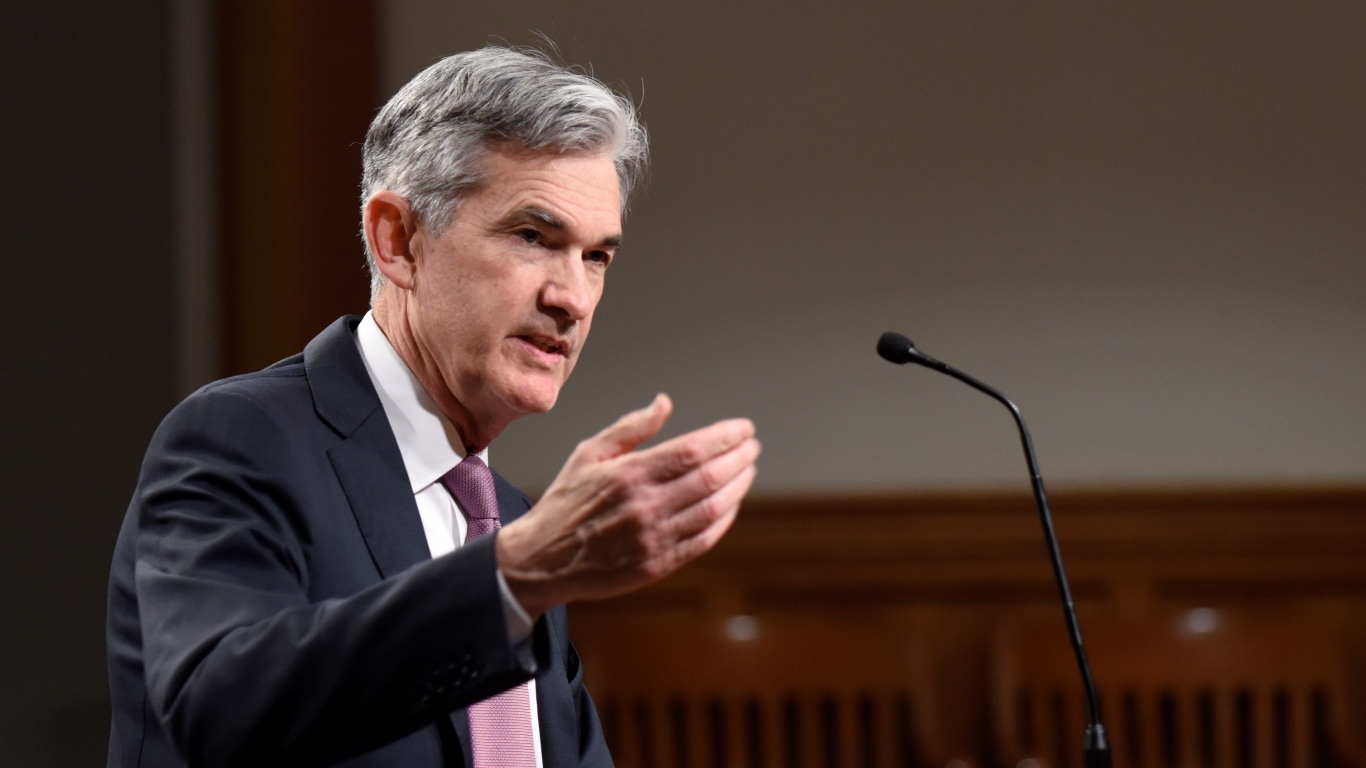
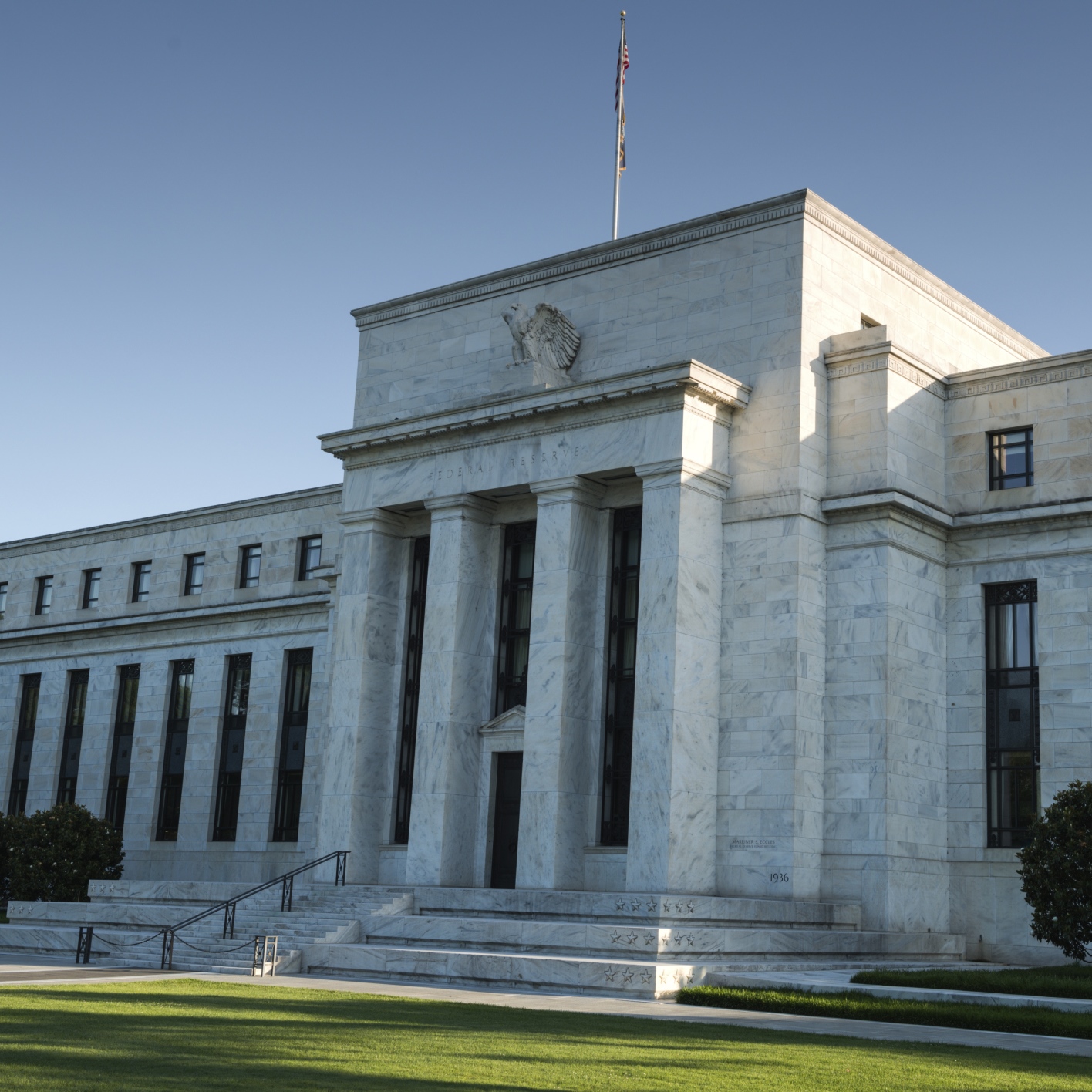
It’s not even just the investment banks on public markets. The very bank of these banks, the Federal Reserve, seems equally clueless as to what it is supposed to be doing. Back at the beginning of the year, the Federal Open Market Committee (FOMC) released a statement to the effect that “The Committee expects that economic conditions will evolve in a manner that will warrant only gradual increases in the federal funds rate.” Meanwhile, the latest FOMC minutes, released, July 6, contained this passage:
… some noted that their forecasts were now consistent with a shallower path [for increasing the federal funds rate] than they had expected at the time of the March meeting. Many participants commented that the level of the federal funds rate consistent with maintaining trend economic growth–the so-called neutral rate–appeared to be lower currently or was likely to be lower in the longer run than they had estimated earlier.
That meeting took place before Britain’s Brexit decision, which was cited as another reason not to raise rates due to the economic uncertainty it engendered. One wonders how shallow the path to a higher federal funds rate will be, come the next FOMC minutes release.
[wallst_email_signup]










 Top Gaining Stocks
 Top Losing Stocks