Nasdaq Faces 50% Sell-Off

Photo of Douglas A. McIntyre
By Douglas A. McIntyre Published
This post may contain links from our sponsors and affiliates, and Flywheel Publishing may receive compensation for actions taken through them.
Nasdaq Faces 50% Sell-Off

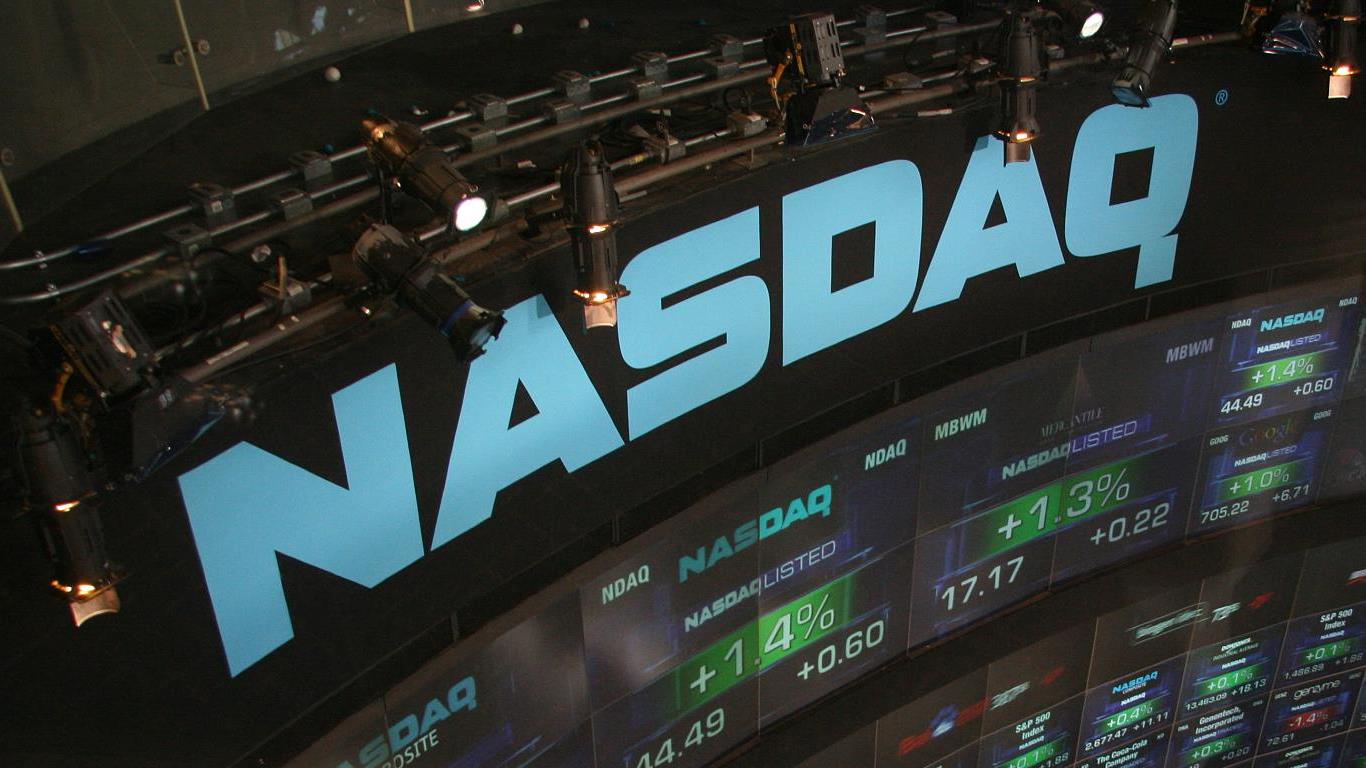
© Wikimedia Commons

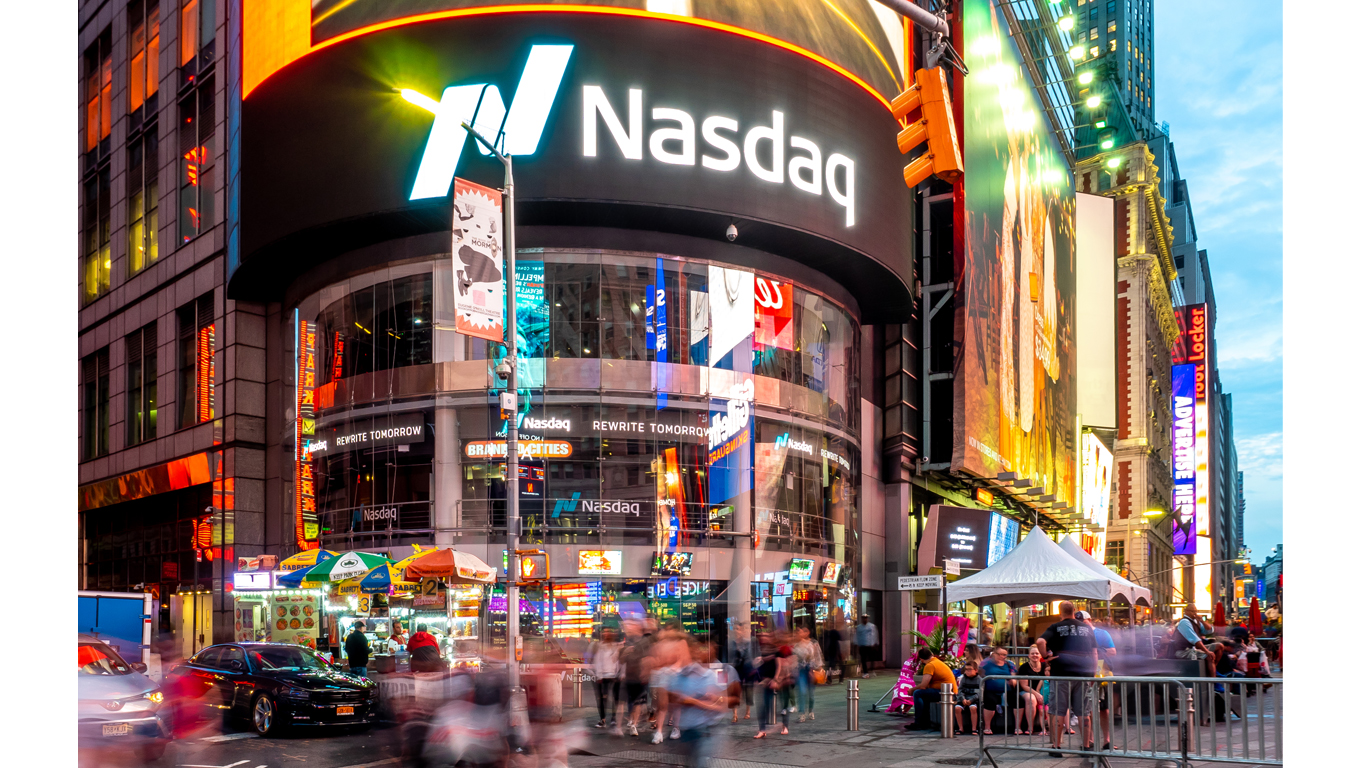
After a run that took the Nasdaq from just over 2,000 in early 2019 to over 16,000 in October, it recently has sold down to near 12,000. It may seem unimaginable that it could drop to 8,000, but a plunge of similar magnitude has happened twice in just over two decades.
[in-text-ad]
The Great Recession pushed the Nasdaq from just below 4,000 in October 2007 to under 1,900 in early 2009. From almost 8,000 in early 2000, it fell to just below 2,000 in February 2019.

The primary reasons for these sell-offs were partially economic disasters. However, just as important, if not more so, the investing public lost faith in the promise and future of technology. The bursting of the tech bubble ravages second-tier public tech companies. That has begun to happen in the past few months.
[nativounit]
The largest tech company stocks generally are not pushed down by half. There are exceptions, especially recently, as Netflix and Meta Platforms have been savaged. A few companies, like Microsoft and Apple, have held up better.
[wallst_email_signup]
The Nasdaq contains many companies that have done much worse, and they are a sign of what may happen over the next several months. Among the best examples are Etsy, PayPal and Zoom. Once the markets lose faith in a business model, or earnings forecasts are slashed, shares can reset down 20% or more in a day.
[recirclink id=1105678]
If the Nasdaq drop accelerates, the primary culprits will be stocks with market caps below the $1 trillion level. If enough of them plummet, it could take the composite back toward 8,000. It has happened before, and recently.


Photo of Douglas A. McIntyre
About the Author Douglas A. McIntyre →

Douglas A. McIntyre is the co-founder, chief executive officer and editor in chief of 24/7 Wall St. and 24/7 Tempo. He has held these jobs since 2006.

McIntyre has written thousands of articles for 24/7 Wall St. He is an expert on corporate finance, the automotive industry, media companies and international finance. He has edited articles on national demographics, sports, personal income and travel.

His work has been quoted or mentioned in The New York Times, The Wall Street Journal, Los Angeles Times, The Washington Post, NBC News, Time, The New Yorker, HuffPost USA Today, Business Insider, Yahoo, AOL, MarketWatch, The Atlantic, Bloomberg, New York Post, Chicago Tribune, Forbes, The Guardian and many other major publications. McIntyre has been a guest on CNBC, the BBC and television and radio stations across the country.

A magna cum laude graduate of Harvard College, McIntyre also was president of The Harvard Advocate. Founded in 1866, the Advocate is the oldest college publication in the United States.

TheStreet.com, Comps.com and Edgar Online are some of the public companies for which McIntyre served on the board of directors. He was a Vicinity Corporation board member when the company was sold to Microsoft in 2002. He served on the audit committees of some of these companies.

McIntyre has been the CEO of FutureSource, a provider of trading terminals and news to commodities and futures traders. He was president of Switchboard, the online phone directory company. He served as chairman and CEO of On2 Technologies, the video compression company that provided video compression software for Adobe’s Flash. Google bought On2 in 2009.

Continue Reading

Top Gaining Stocks

CBOE Vol: 1,568,143
PSKY Vol: 12,285,993
STX Vol: 7,378,346
ORCL Vol: 26,317,675
DDOG Vol: 6,247,779

Top Losing Stocks

LKQ
LKQ Vol: 4,367,433
CLX Vol: 13,260,523
SYK Vol: 4,519,455
MHK Vol: 1,859,865
AMGN Vol: 3,818,618