Disney’s Beating Continues

Photo of Douglas A. McIntyre
By Douglas A. McIntyre Published
This post may contain links from our sponsors and affiliates, and Flywheel Publishing may receive compensation for actions taken through them.
Disney’s Beating Continues

© David Peperkamp / iStock Editorial via Getty Images

Disney may be the most widely written about public company over the last two weeks. Most of the coverage concerns its battle with Florida’s governor Ron DeSantis. Shareholders have a much larger problem, however. The stock has underperformed the market by a great deal.

Disney’s stock is down 14% in the last month. The overall market is flat.
[nativounit]
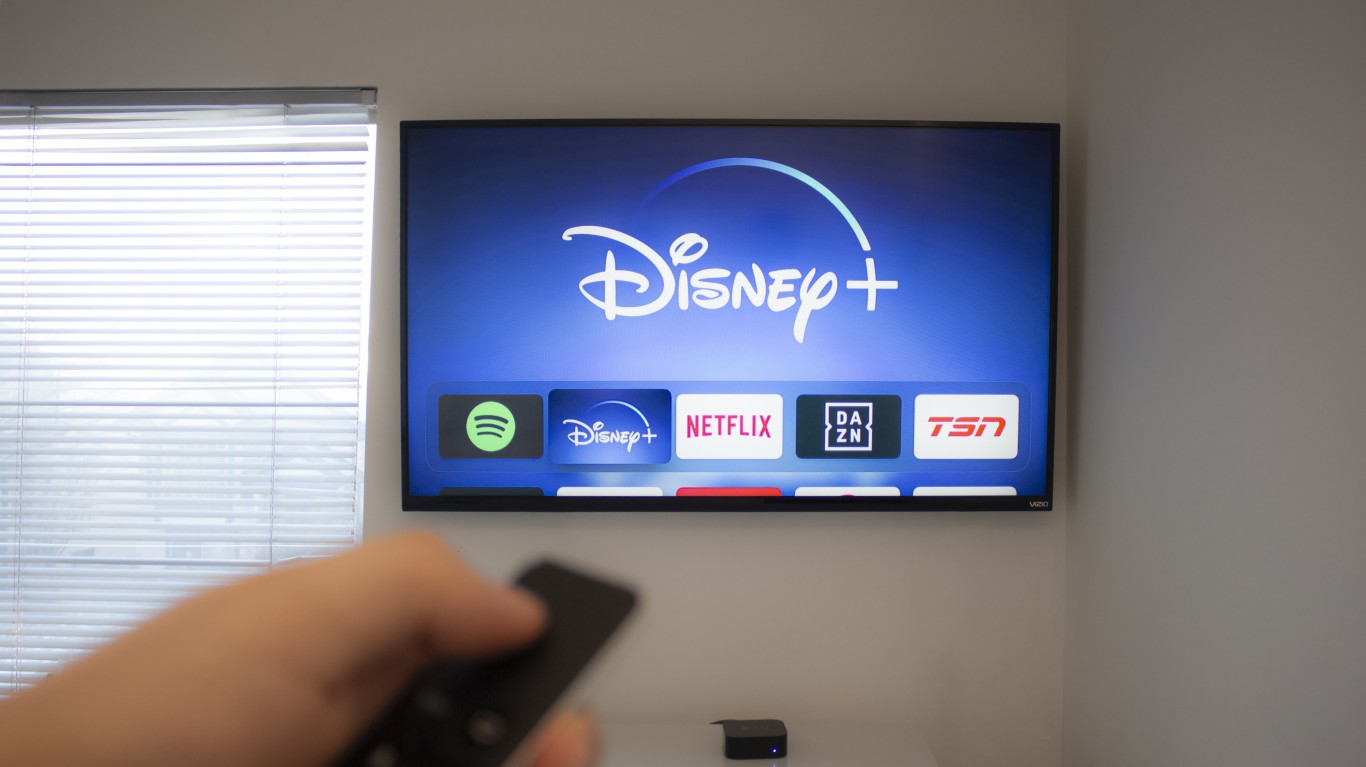
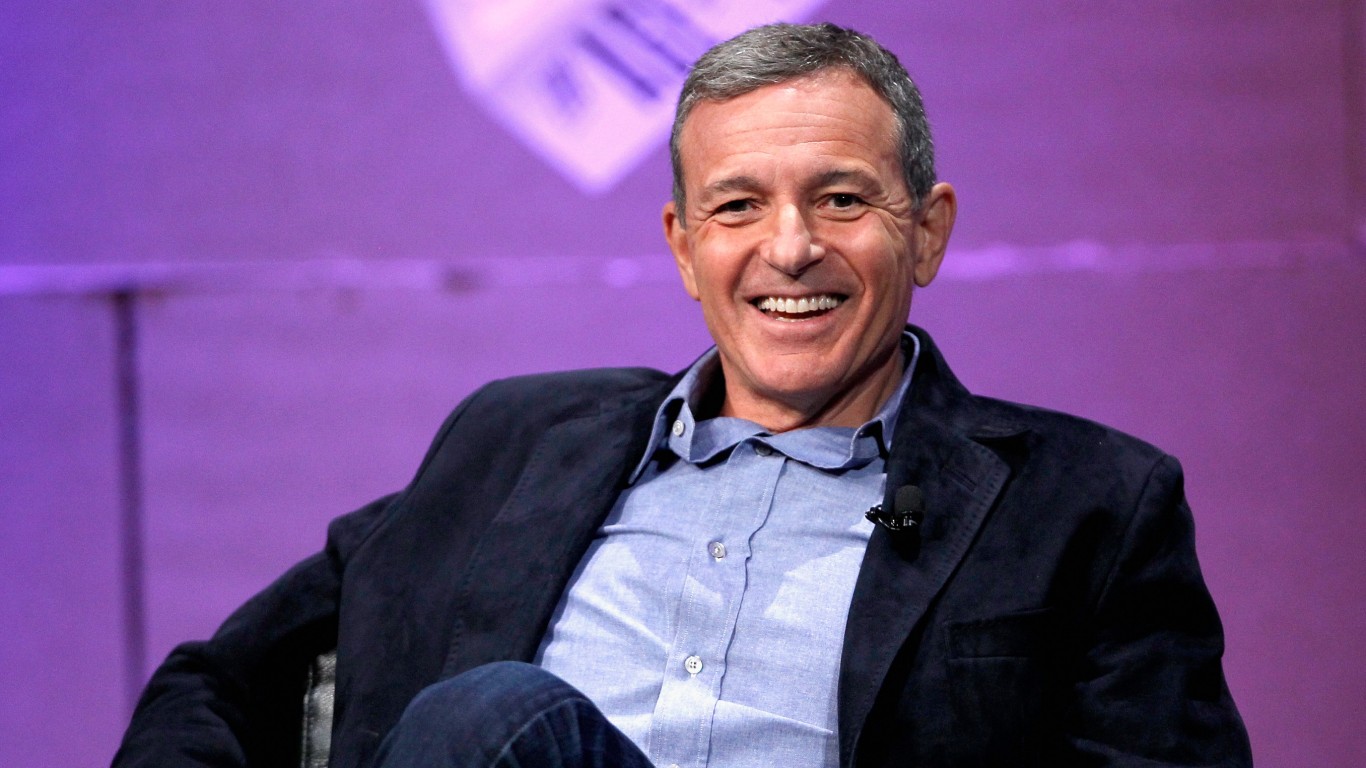
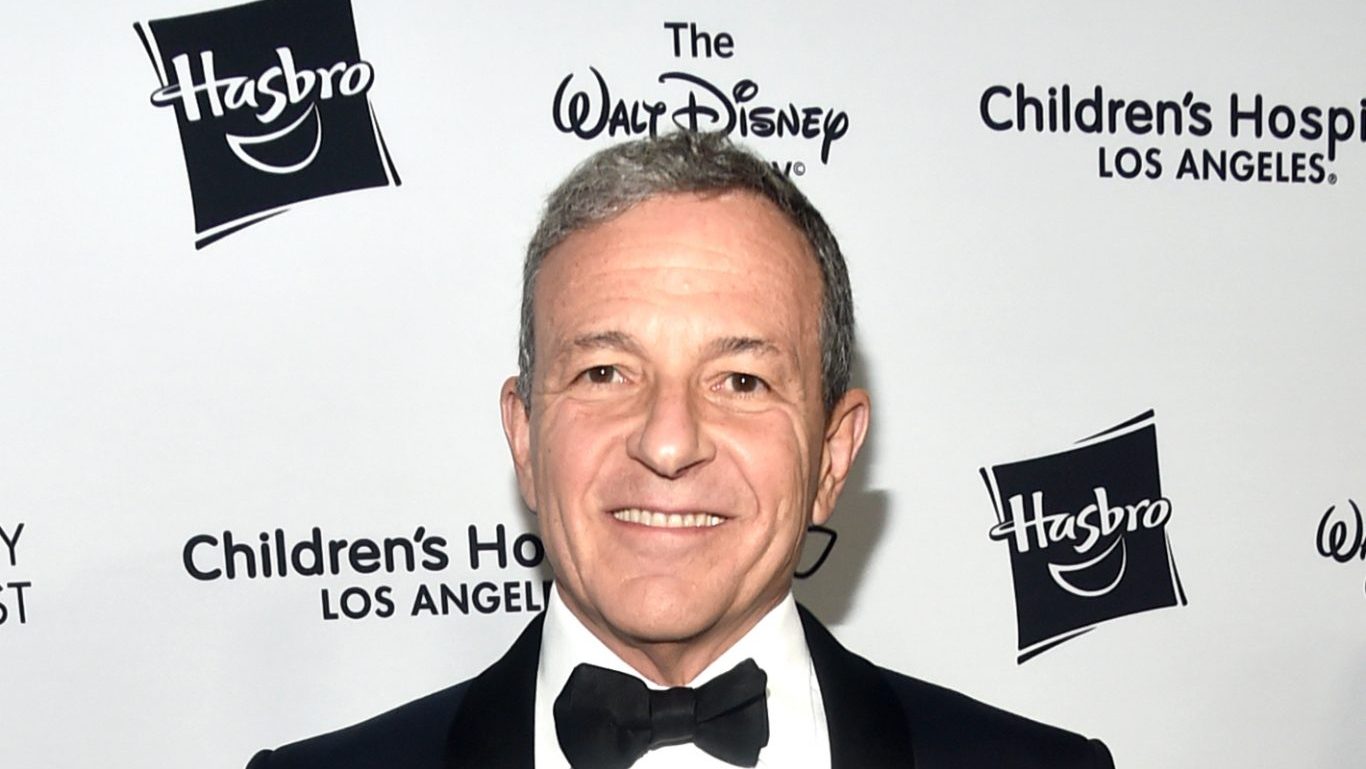
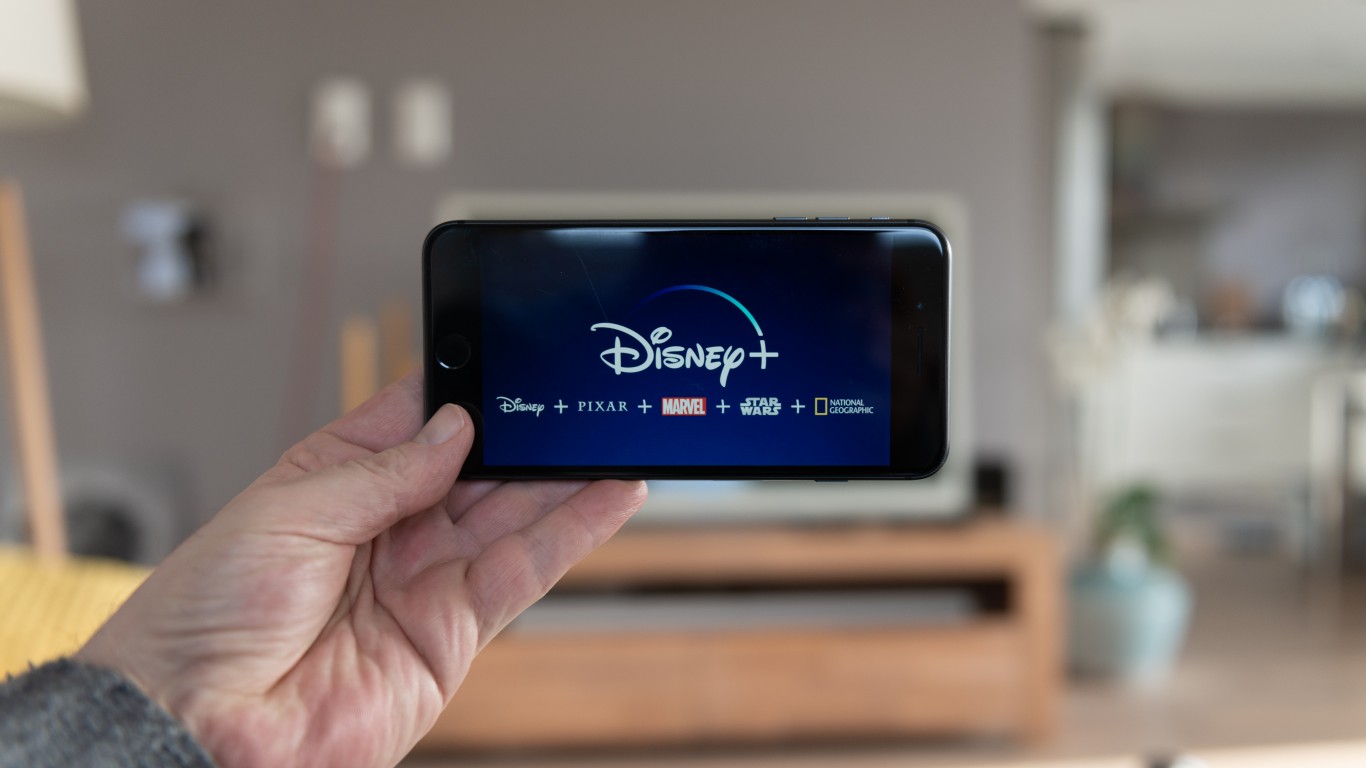
Disney’s problems are of its own making. Long-time CEO Bob Iger returned last November. He replaced Bob Chapek, who the board viewed as a bumbler. In reality, the core of Disney’s recent financial trouble was born when Iger introduced Disney+, a new streaming service, in November 2019.

Iger’s theory was to underprice Disney+ to gain market share rapidly. It worked at $6.99 a month. The subscriber count reached 165 million recently and then started to drop back modestly. In the meantime, low subscription pricing drove losses into the billions of dollars. Iger increased prices to $10.99 a month recently. That is still below the price of Amazon Prime Video and Netflix, the two market leaders. In other words, Disney+ may not post returns on its original investment for many years financially. (These are the cheapest streaming services in America.)

Iger may have planned for a crowded streaming market, but it swamped the Disney+ launch nevertheless. People will pay for, by several estimates, an average of three streaming services. Amazon and Netflix are often the first two. There are another dozen services with tens of millions of subscribers each. Disney+ has to elbow its way, often in that third spot. Among the most well-funded of these is Apple+. It is late to the market, but Apple can offer it to billions of people with iPhones and Macs. And Apple has access to an almost limitless pool of cash.
[wallst_email_signup]
Disney has a mixed bag of divisions. Its theme parks continue to be the company’s profit engine. Its traditional TV products, including ABC and ESPN, operate in a world where traditional TV use is faltering.

If Disney needs Disney+ to be a successful division to get its shares back on track, investors will have to wait a long time.


Photo of Douglas A. McIntyre
About the Author Douglas A. McIntyre →

Douglas A. McIntyre is the co-founder, chief executive officer and editor in chief of 24/7 Wall St. and 24/7 Tempo. He has held these jobs since 2006.

McIntyre has written thousands of articles for 24/7 Wall St. He is an expert on corporate finance, the automotive industry, media companies and international finance. He has edited articles on national demographics, sports, personal income and travel.

His work has been quoted or mentioned in The New York Times, The Wall Street Journal, Los Angeles Times, The Washington Post, NBC News, Time, The New Yorker, HuffPost USA Today, Business Insider, Yahoo, AOL, MarketWatch, The Atlantic, Bloomberg, New York Post, Chicago Tribune, Forbes, The Guardian and many other major publications. McIntyre has been a guest on CNBC, the BBC and television and radio stations across the country.

A magna cum laude graduate of Harvard College, McIntyre also was president of The Harvard Advocate. Founded in 1866, the Advocate is the oldest college publication in the United States.

TheStreet.com, Comps.com and Edgar Online are some of the public companies for which McIntyre served on the board of directors. He was a Vicinity Corporation board member when the company was sold to Microsoft in 2002. He served on the audit committees of some of these companies.

McIntyre has been the CEO of FutureSource, a provider of trading terminals and news to commodities and futures traders. He was president of Switchboard, the online phone directory company. He served as chairman and CEO of On2 Technologies, the video compression company that provided video compression software for Adobe’s Flash. Google bought On2 in 2009.

Featured Reads

Our top personal finance-related articles today. Your wallet will thank you later.

Continue Reading

Top Gaining Stocks

CBOE Vol: 1,568,143
PSKY Vol: 12,285,993
STX Vol: 7,378,346
ORCL Vol: 26,317,675
DDOG Vol: 6,247,779

Top Losing Stocks

LKQ
LKQ Vol: 4,367,433
CLX Vol: 13,260,523
SYK Vol: 4,519,455
MHK Vol: 1,859,865
AMGN Vol: 3,818,618