


 GM’s aged product chief, Robert Lutz, says he can tell a successful car by looking at it. Marketing studies are useless. Car men can spot a good car a mile away.
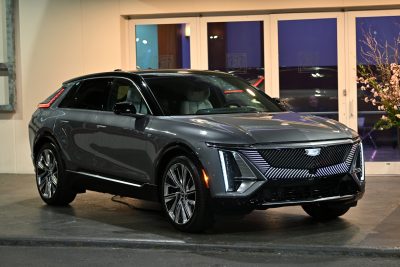
Lutz must have been out of town when GM decided to announce that it would start to build a new Buick crossover vehicle. This type of car has become popular lately. They have many of the qualities of SUVs but are smaller and use less fuel.
GM did what would seem to be the sensible thing. It showed the car to a few potential customers who said that they thought it would never sell. In the old days, GM probably would have built the crossover and found out it was a failure well after it had gone into production. One executive at the company said “In the past this would have been a several-month process.”
The new GM seems at odds with the new GM. Lutz argues that people in the auto industry should know what the public wants. Other factions at GM clearly believe that asking a small number of people whether they like something is enough to decide whether to go forward.
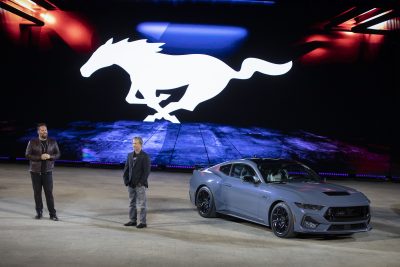
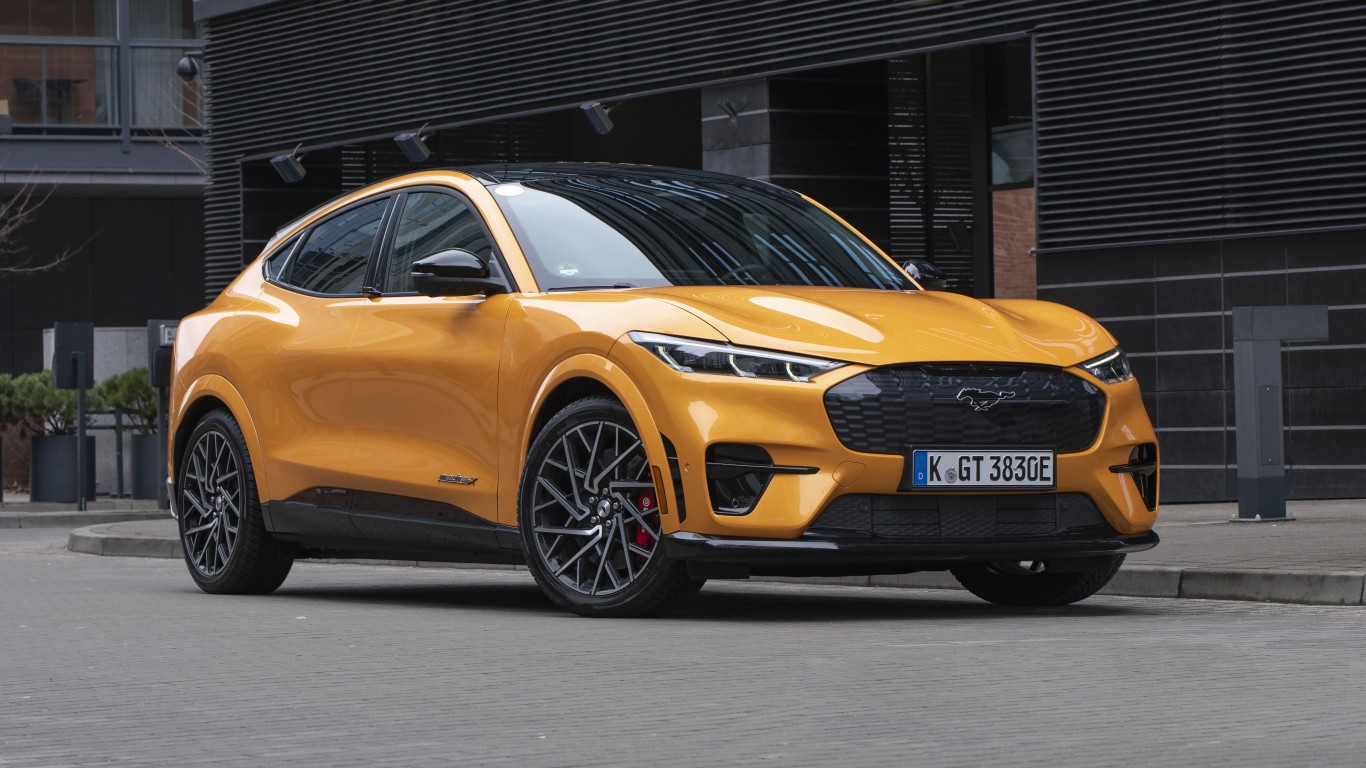
GM probably would never have built the Mustang, one of the most successful car industry product launches of the last 50 years. The car first came out in 1964. Ford (F) could not produce enough Mustangs to keep up with demand early on. The Mustang is still part of the Ford product line today. The car was, however, a departure from traditional vehicles of the time. It was built on a Ford Falcon chassis. Many of the parts used to manufacture it came from older Ford models. A focus group opinion might have killed the Mustang. A small staff within Ford, lead by Lee Iaccoca, push the program forward.
GM now designs and launches products based on small polls. That is not much of a way to rebuild an industry that was once based on a broader knowledge of the marketplace.
Douglas A. McIntyre









 Top Gaining Stocks
 Top Losing Stocks