


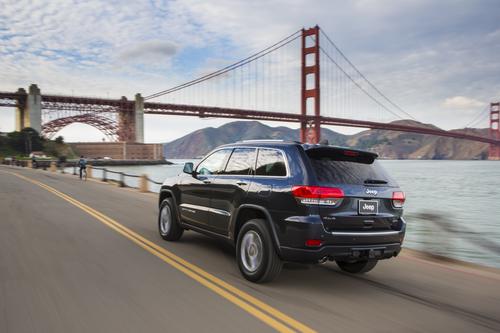
The record 2009 Toyota recall reached more than 9 million cars and included many Camry and Corolla vehicles — among the Japanese firm’s best sellers. It was done because of acceleration problems and involved cooperation of the NHTSA for those vehicles recalled in the United States. Toyota’s image was hurt badly by the size of the problem, but the company eventually was able to say that, despite the bad publicity and the cost, it had put the interest of its customers above most of its own.
Chrysler has made the decision to reject the government’s case about the Jeep completely. It announced:
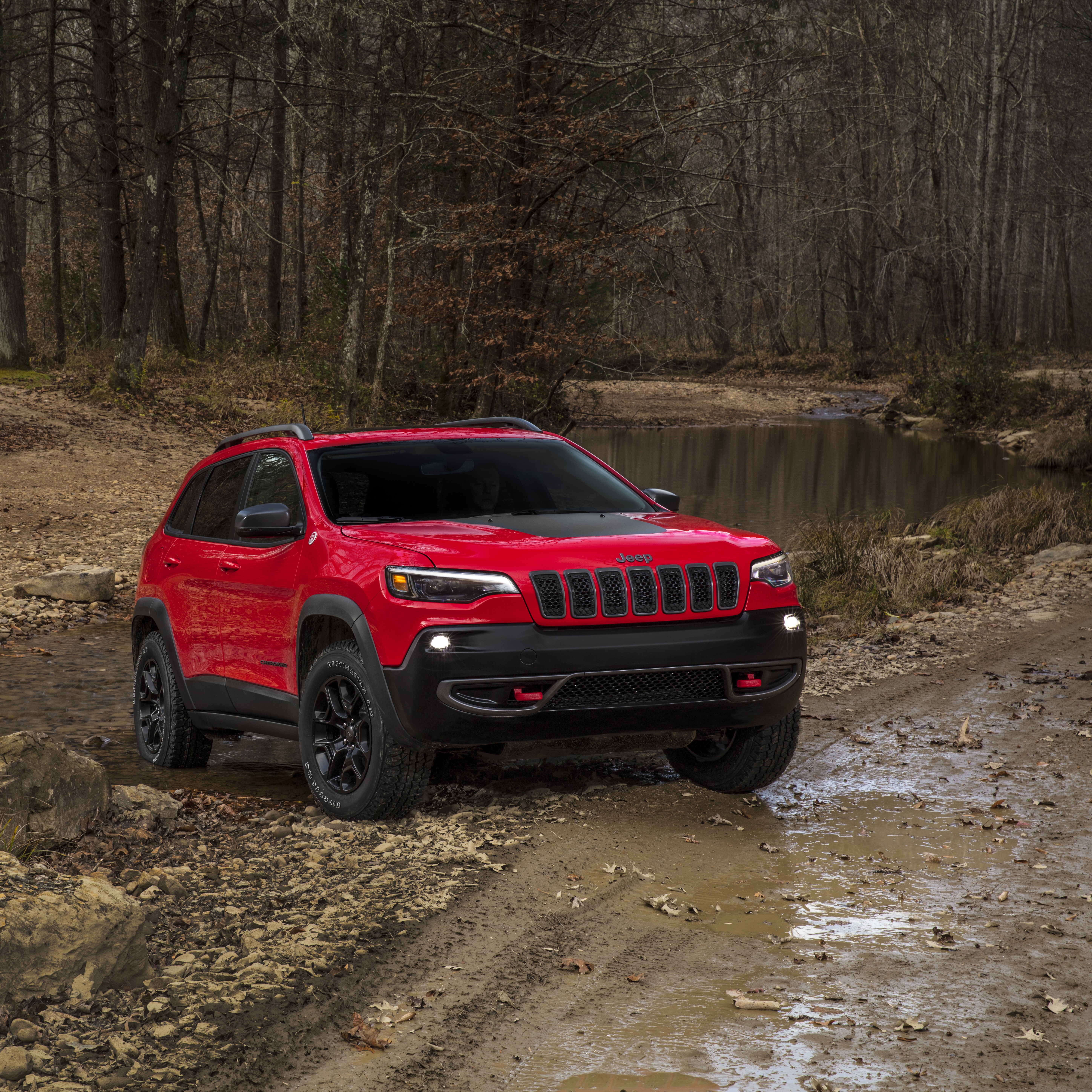
NHTSA (National Highway Traffic Safety Administration) has issued a recall request letter proposing that Chrysler Group recall the Jeep Grand Cherokee in model years 1993 to 2004 and the Jeep Liberty in model years 2002 to 2007 (a total of approximately 2.7 million vehicles).
Chrysler Group has been working and sharing data with the Agency on this issue since September 2010. The company does not agree with NHTSA’s conclusions and does not intend to recall the vehicles cited in the investigation. The subject vehicles are safe and are not defective.
We believe NHTSA’s initial conclusions are based on an incomplete analysis of the underlying data, and we are committed to continue working with the Agency to resolve this disagreement.
USA Today described the decision as shocking, due largely to the scope of the potential danger:
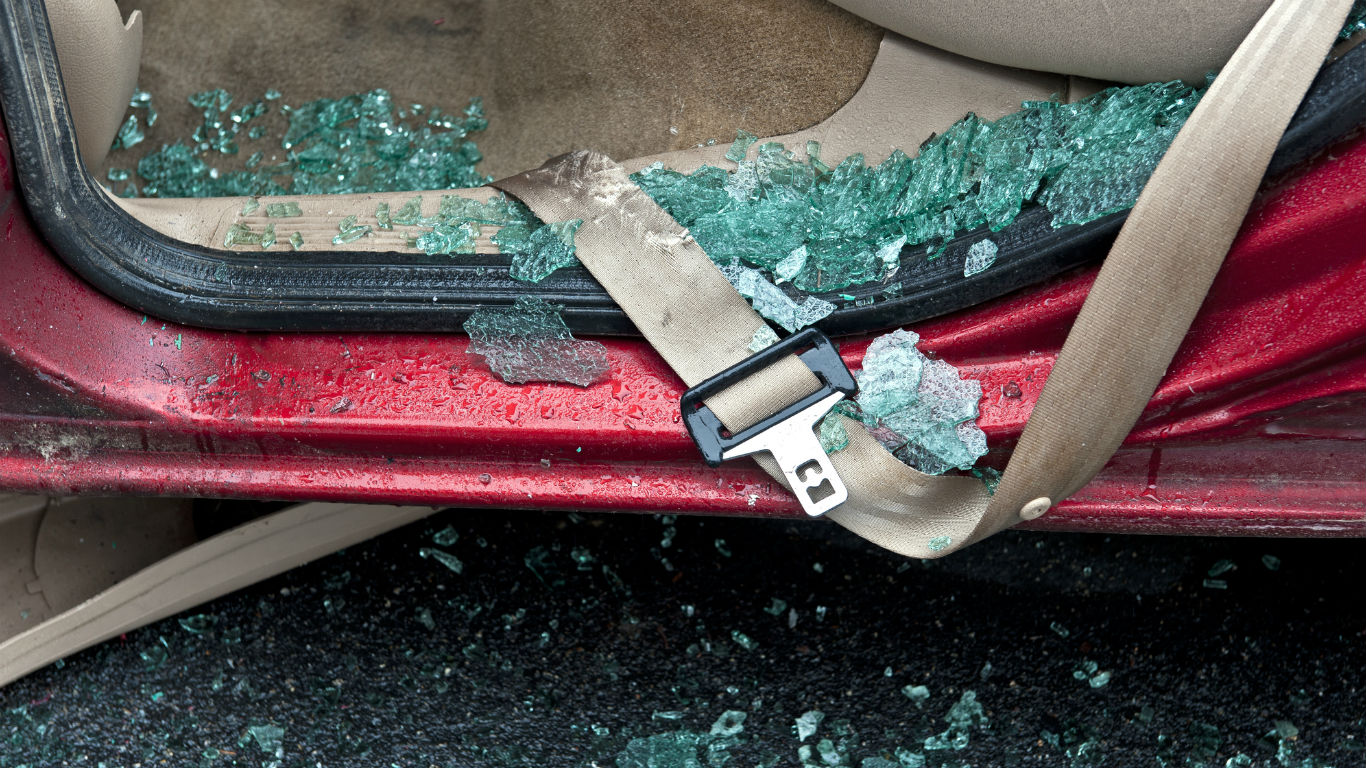
Government data show 44 deaths in 32 rear-end crashes and fires involving the Grand Cherokees that it wants recalled, and seven deaths in five Liberty rear-impact/fire crashes.
Under the circumstances, what does it take to ruin Jeep’s image, increase public worry about the car’s safety and bring down a mass of lawsuits? Just one fatal crash, and no more — one that involves the issue that Chrysler claims does not rise to the level of a recall.
Chrysler Group likely will do itself unimaginable injury, and that injury will come on a single road, in a single crash and in the blink of an eye.








 Top Gaining Stocks
 Top Losing Stocks