


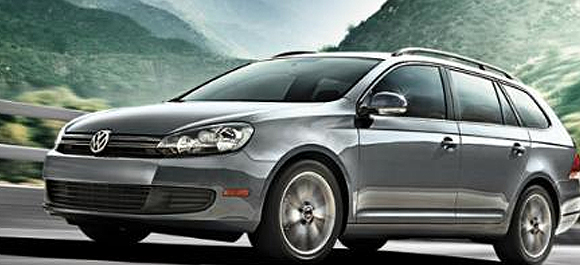
VW’s March sales were 35,717, down 2.6% from March 2013. Worse, sales for the first three months of 2014 fell 11.1% to 87,323. VW’s market share has fallen to 2.4%. Amazingly, all-luxury brand BMW sold nearly as many vehicles as VW did in March.
VW has big advantages in the world’s two largest markets outside the United States. It is the largest car company in Europe in terms of unit sales. Most months, it vies for the top spot in China, which overtook America as the top auto market several years ago. VW’s challenge in Europe is that the economy there remains difficult. In China, a sudden focus on air pollution could stunt car sales growth, along with a flood of competition jockeying for share in the People’s Republic.
VW’s U.S. struggle stems primarily from two things. The first is the perception that its cars suffer from low quality. In the widely followed J.D. Power 2014 U.S. Vehicle Dependability Study, Volkswagen ranks well below average as measured by “problems per 100 vehicles.”
VW also has a limited lineup of cars and SUVs, and it does not sell a pickup. Pickups are a substantial portion of U.S. vehicles sales. The three top-selling vehicles in the United States are Ford Motor Co.’s (NYSE: F) F-Series, General Motors Co.’s (NYSE: GM) Chevy Silverado and Chrysler’s Dodge RAM. VW offers three compacts, including the iconic Beetle; three sedans, including the Jetta; the Tiguan SUV; and the expensive Touareg, which has a base price of $44,570. Aggressive incentives apparently have not lifted sales enough to stop VW’s slide.
Volkswagen operates in a U.S. market where other large manufacturers have not stood still. Its larger rivals continue to release and upgrade models at a rapid pace and offer their own incentives. VW falls ever further behind.






 Top Gaining Stocks
 Top Losing Stocks