


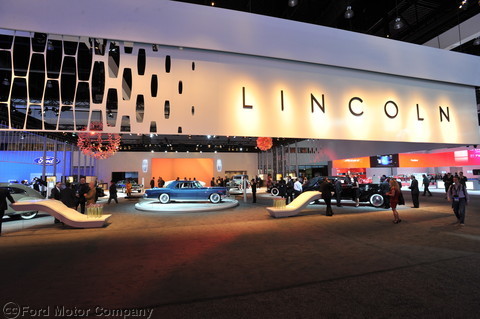
For some reason, the marketers behind Lincoln’s push have decided to keep pressing the brand’s relationships to the “artisans” and “craftspeople” who are suppliers, rather than promote whatever features they believe their vehicles have over competitors. It is a lost opportunity, among the relatively few that Lincoln has.
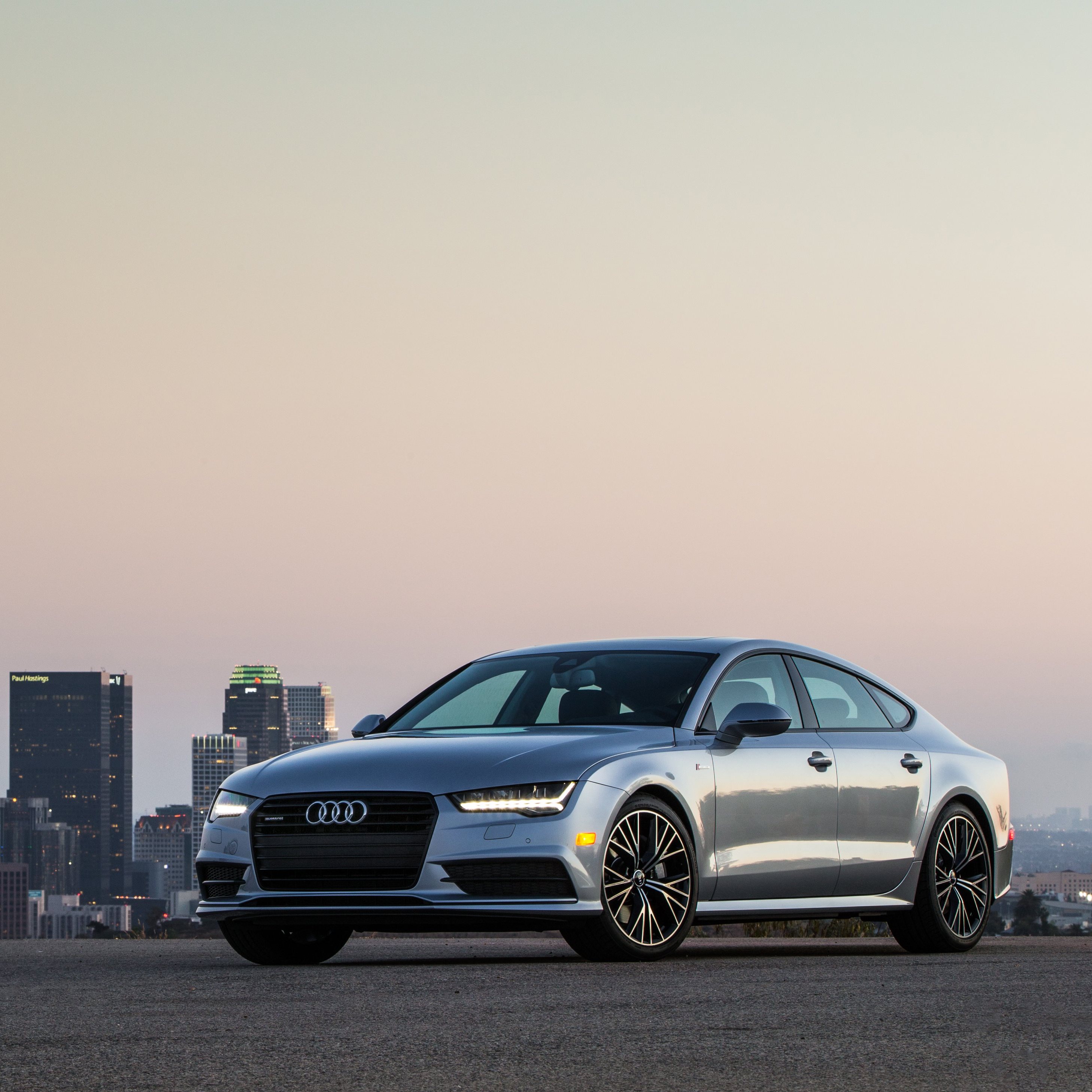
The power of the market-leading Mercedes and BMW brands shows in their U.S. sales. Mercedes sold 28,881 vehicles in May. BMW sold 29,602. Audi was well behind at 16,601. However, its sales were up 26% for the month. And the segment is overcrowded with more models from Infiniti, Lexus, Acura and Cadillac.
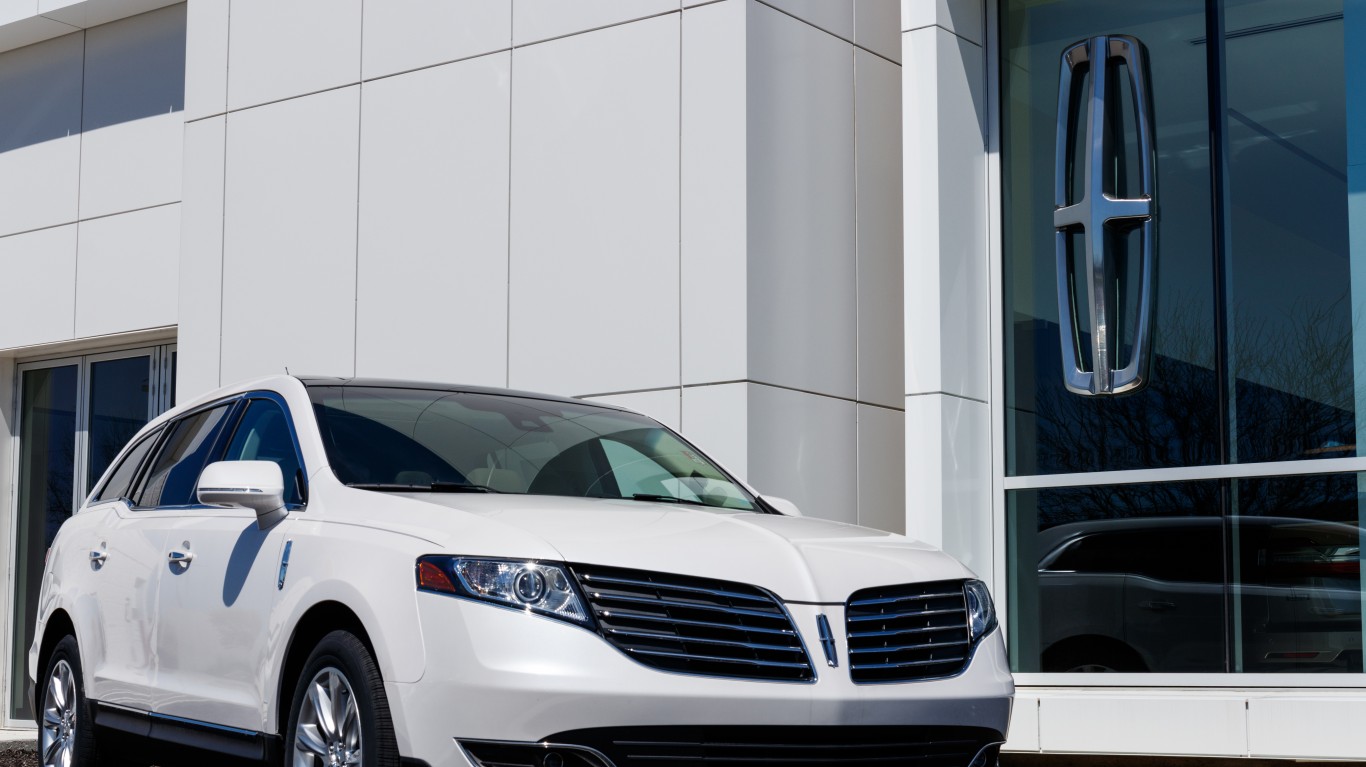
Ford Motor Co. (NYSE: F) sold 8,845 Lincolns in May, up 21%. The number two U.S. manufacturer reported that its MKZ had its best May sales ever. However, this totaled only 3,714 units.
ALSO READ: The Best-Selling Products of All Time
Mercedes and BMW are the 11th and 12th most valuable brands in the world, according to research firm Interbrand. Each has a value above $31 billion, which put them on a footing just behind Toyota Motor Corp. (NYSE: TM) and well ahead of Ford. And Audi’s brand value is $7.8 billion by the same measure. These positions give these luxury brands significant advantages in how they are viewed by possible customers.
Among Lincoln’s most daunting challenges are not just that its larger rivals have much broader product lines. These manufacturers are releasing new models at an unusually rapid pace. With large product development staffs and high R&D budgets, Mercedes and BMW have attacked the low end of the market in terms of price, while holding their impressive positions in the higher end of the market.
Lincoln would be wise to steer away from its relationships with “artisans” and focus on whether it has a single model it can put up against its competition.





 Top Gaining Stocks
 Top Losing Stocks