


The drop in sales in South America is even steeper: down from 680,500 a year ago to 538,400 this year, a decline of nearly 21%.
Sales in Western Europe, excluding Germany, rose 7.8% to 1.51 million units. German sales rose 6.3% to 909,200 units and sales in Eastern and Central Europe rose 2.3%. Sales in Russia dropped 13% to fewer than 200,000 units.
Volkswagen’s major gain came in sales in the company’s Asia-Pacific region, with total sales up 13.8% from 2.63 million units to 2.99 million for the first nine months of the year. China has accounted for 2.72 million units so far in 2014, up 15.2% compared with the first nine months of 2013.
ALSO READ: Cars With the Oldest Buyers
The cars on offer from the Audi division continue to sell well in the United States, and even better in China. U.S. sales rose 14.5% to 158,400 units in the first nine months of 2014, while sales in China rose 16.3% to 491,500 units. All told, Audi has sold 1.3 million cars in the first nine months of the year, up 10% on last year’s total.
To be fair, VW has recently introduced fresh models in North America and that is a major factor in selling new cars to U.S. buyers. The 2015 Jetta is the first redesign of the company’s best-selling car in the United States since the 2011 model. That is simply too long.
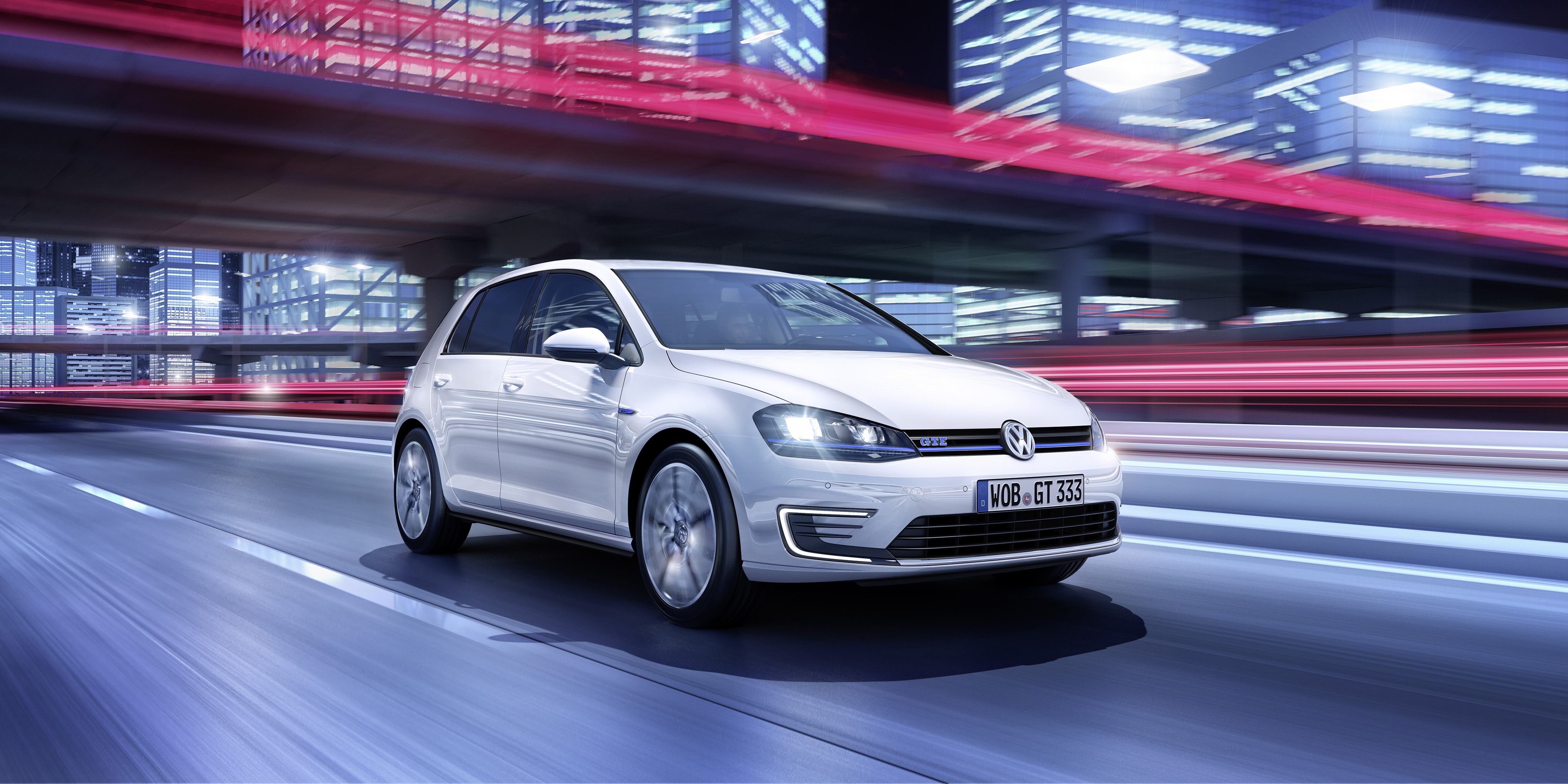
The seventh-generation VW Golf made it into showrooms in August, and that’s only the seventh new design in 40 years. If the four-year wait for a new Jetta was too long, the average wait for a new Golf is way too long.
VW’s bread is now buttered in China. The Americas, North and South, make up about 15% of the company’s total sales of 7.4 million units in the first three-quarters of 2014. U.S. sales amount to about 6.3% of all VW sales to date in 2014. China accounts for nearly 37% of sales. If you were VW, where would you focus your attention and dollars?






 Top Gaining Stocks
 Top Losing Stocks