



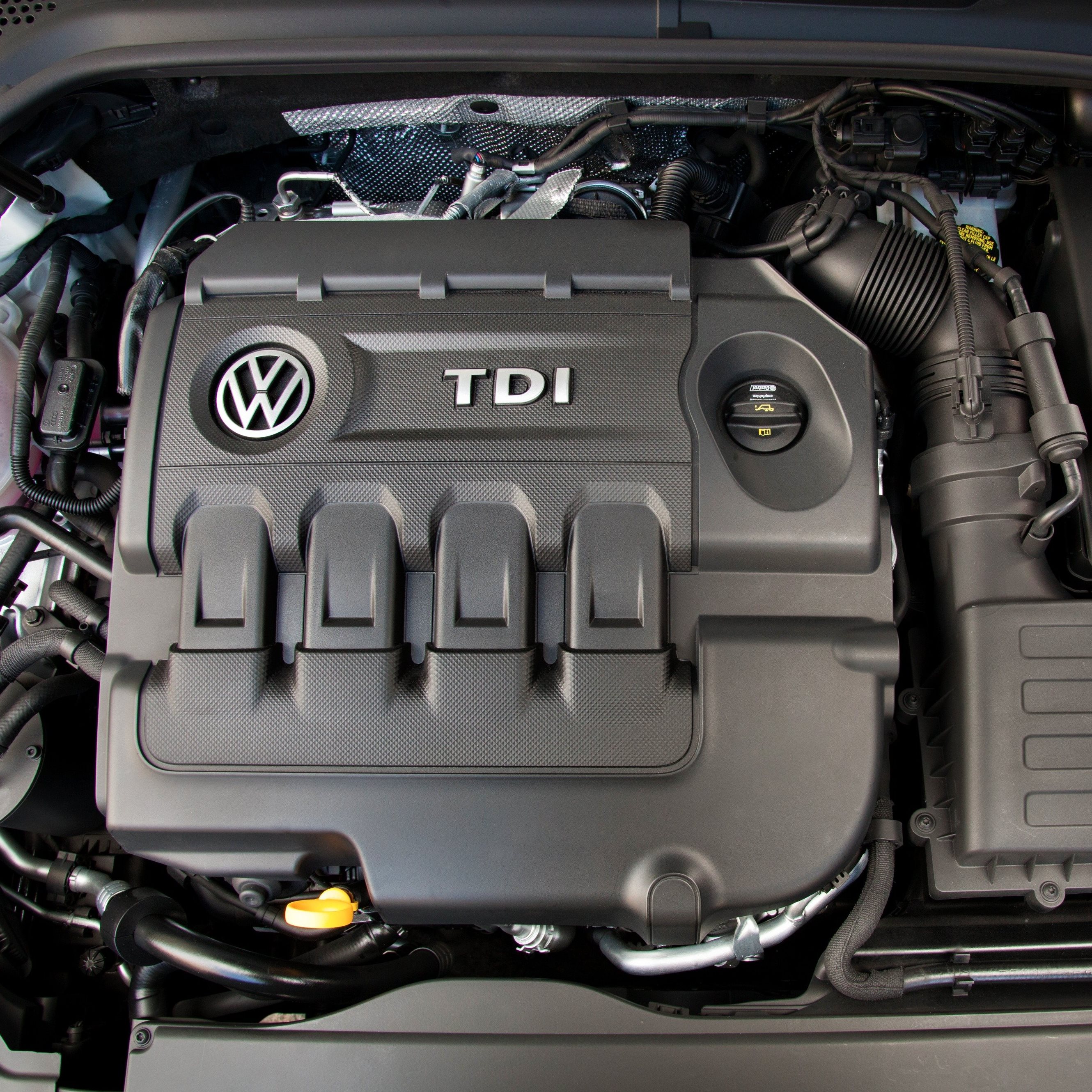
The engine behind the European economy, at least the bailouts, is undeniably Germany, and the engine behind the German economy is the car manufacturing industry. Volkswagen alone employs over 270,000 Germans at home. Sales of Volkswagens in the United States, which amounted to 6% of its revenues, are about to plummet. That means job cuts in Germany, but that doesn’t necessarily mean a hit to the German economy on its own.
If this were a Volkswagen-specific issue, then it would only be a question of readjustment of capital from Volkswagen to a competing German car firm that also sells clean diesels, which happens to be BMW. Germany’s economy would take a temporary hit as that adjustment took place, but sales would eventually balance out from Volkswagen to BMW, along with labor shifts between firms and all other adjustments required.
Just because one company cheats does not mean that global demand for clean diesel German-made cars goes down. It is reasonable to assume that many or maybe even most buyers of higher-end German cars are specifically looking for German cars for reputation and reliability. Just like labor markets tend to clear after any disturbance and unemployment disappears in the absence of regulation or minimum wages, the German car market would tend to clear after a Volkswagen disturbance, with supply and demand meeting at the clearing price as before, in this case for clean diesel cars and the labor associated with their manufacture.
ALSO READ: 8 Great Value Stocks With Solid Dividends Under 10 Times Earnings
It is tempting but misleading to think of a self-contained company as systemically important to a given economy given recent experience with financial crises over the past decade. With banks, one failure often does have systemic consequences, but that is only because of the artificially sustained centrally planned fractional reserve system ultimately run by a single central bank with a government mandate. But with any other industry that is not centralized (there is no central car manufacturer, hence no inherent systemic risk), resources simply shift from one firm to another. Declines are only temporary until macro-adjustments are complete.
But if these new accusations against BMW are correct, then it does become a Germany-wide issue and demand for specifically German cars could conceivably fall globally. The only other German company with a diesel car in the top 10 for fuel efficiency is Daimler’s Mercedes. If Mercedes is found to be cheating as well, and these engines turn out to be dirtier than we all thought, then the German engine behind the European economy could be in danger.
At that point, it depends where demand for diesel cars shifts next. To another European but non-German firms, in which case the EU economy would balance out, or to General Motors Co. (NYSE: GM), the only other company with a clean diesel in the top 10?
GM could certainly use the boost, if it isn’t cheating as well. At this point, who knows?






 Top Gaining Stocks
 Top Losing Stocks