


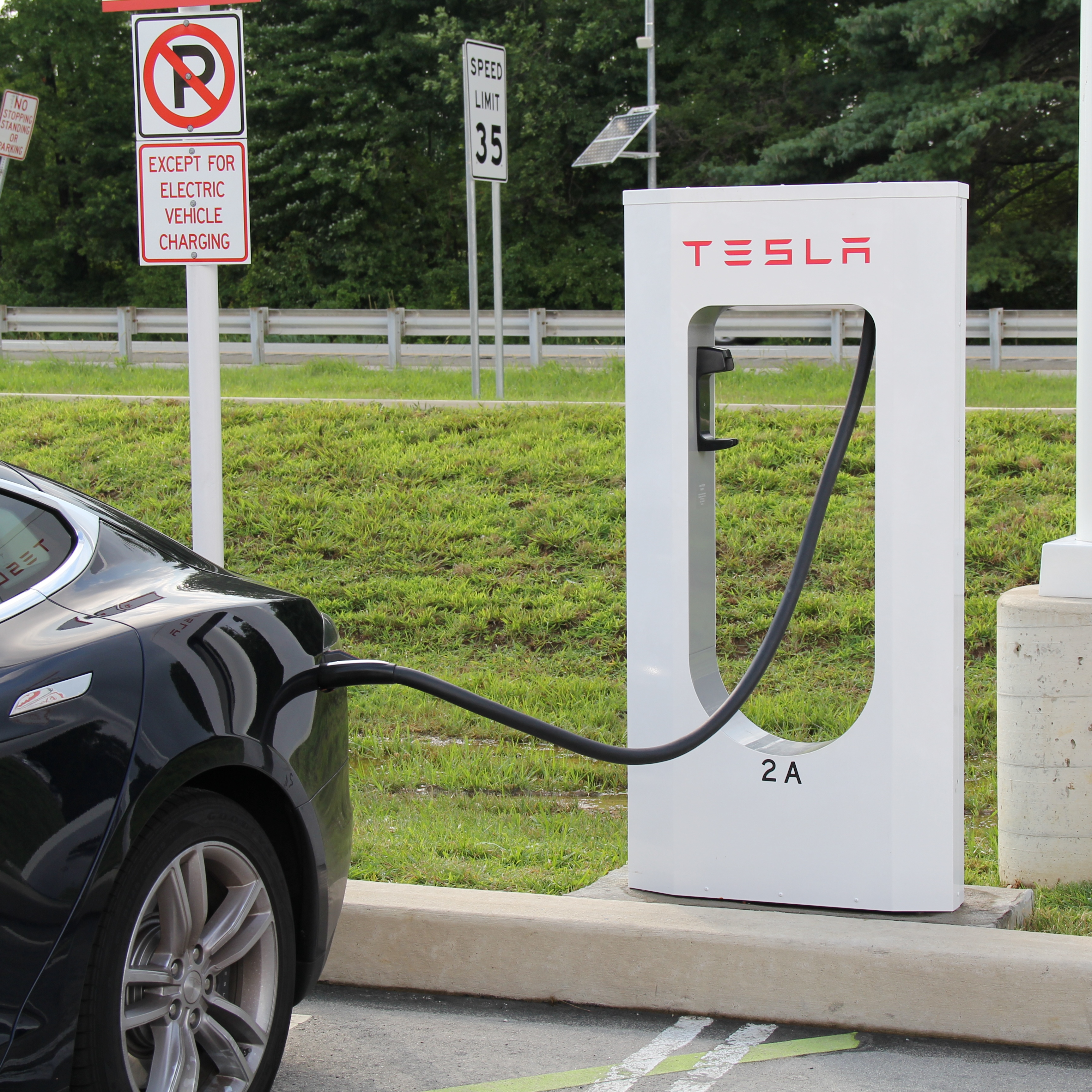
As a transportation fuel, liquid hydrocarbon fuel (gasoline, diesel, etc.) is hard to beat. It’s relatively stable, relatively easy to transport and, most importantly, benefits from a global infrastructure to find it, develop it, refine it and ship it to consumers. Displacing liquid hydrocarbons will take decades, and there are currently two contenders for job: batteries and fuel cells.
Both battery-electric vehicles (BEVs) and fuel-cell vehicles (FCVs) use electricity to push the vehicle down the road. Both have the potential to replace fossil fuels while producing no greenhouse gas emissions at the vehicle, and, if renewable sources of electricity are used, the potential to produce no emissions during fuel production.
A new research paper by Brandon Schoettle and Michael Sivak of the University of Michigan Transportation Research Institute compares the two fuels by reviewing the available literature and conducting interviews with experts.
Their conclusions:
BEVs currently offer the most readily available fuel source via the existing electric grid. Additionally, more BEV models are available to the public (relative to fuel-cell vehicles) and they offer the best fuel economy, resulting in the lowest cost to operate (per mile). BEVs also tend to produce the lowest amount of greenhouse gases (well-to-wheels) per mile. However, the driving ranges of these vehicles are currently the lowest of any vehicle type, while also requiring the longest time to refuel or recharge.
FCVs have significantly longer driving ranges and lower refueling times than comparable BEVs, and it is also possible for them to use the least amount of petroleum (well-to-wheels) per mile, depending on the type of hydrogen used. On the other hand, only a small number of vehicle models are available, and only in the most recent model years. Similarly, the hydrogen-refueling infrastructure is practically nonexistent outside of California. There is generally consensus among the experts that expansion of the hydrogen infrastructure needs to precede the mass introduction of FCVs in order to raise consumer confidence in the availability of hydrogen fuel.
[nativounit]
A final word about infrastructure. According to the paper there are 114,223 gasoline stations in the United States, compared with 13,734 public and private charging stations for battery or hybrid electrics and 91 hydrogen refueling stations. The total for the charging and hydrogen stations include planned additions. Excluding the planned stations, there are just 21 hydrogen refueling stations in the United States.






 Top Gaining Stocks
 Top Losing Stocks