


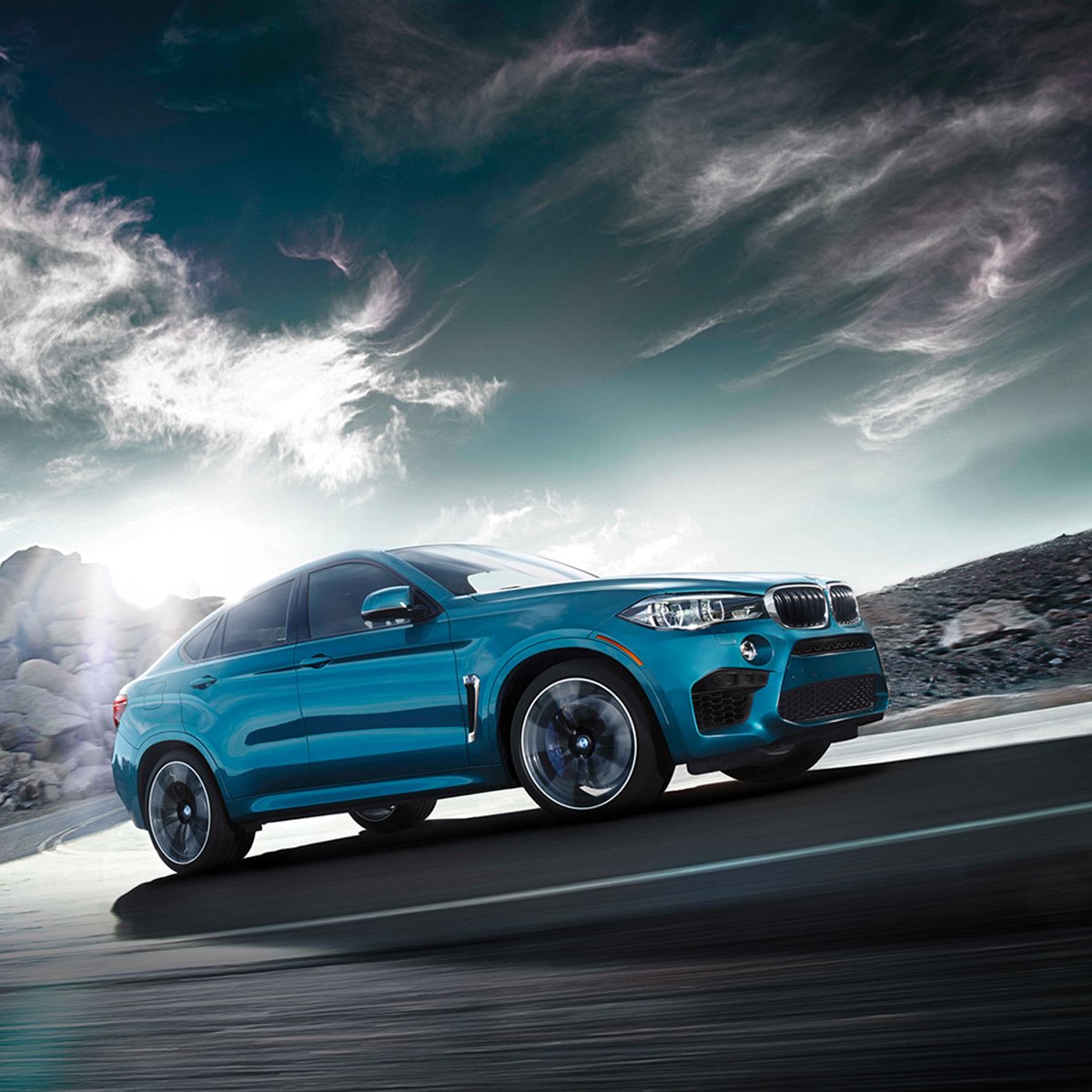
Last month, the three leading makers of luxury cars each struggled to match numbers from April 2015. Typically at least one of them would have a month during which it outran figures from last year. The results may be an early warning that luxury car sales in the United States have peaked.
Mercedes sales dropped 0.4% to 32,291. This included sales of 466 for its tiny smart brand, down 2.9%. Mercedes was particularly damaged by sales of three of its best-selling cars. CLA sales dropped 20.6% to 2,121. Sales of its C-Class fell 15.2% to 3,645, and sales of the S-Class declined 34.2% to 1,329. The C-Class and CLA are the Mercedes entry-level cars. The S-Class is something of a flagship and carries a base price of $95,650.
BMW brand sales were worse in April. Unit sales dropped 7.4% to 24,591. This did not include sales of its Mini brand, which dropped 12.4% to 4,796. Much of the downdraft was caused by a drop in one of BMW’s best-selling cars. Sales of the 3-series fell 31.8% to 4,681. Sales of its popular X5 sport utility vehicle (SUV) fell 7.9% to 3,771.
The 3-series is one of BMW’s oldest models, and the most well-rewarded by car experts. It is among the entry-level cars for the brand, with a base price of $33,150.
[recirclink id=328172]
Lexus is the newest of the three, introduced in the United States in 1989 by Toyota Motor Corp. (NYSE: TM) as its luxury brand. Lexus sales were uneven. Its car sales dropped 26.4% to 9,884. Sales of its SUVs and crossovers rose 20.5% to 14,998. Car sales were cripple mostly by a poor performance of its IS, which dropped 13.8% to 2,654. SUV and crossover sales were helped by a 28.6% increase in RX sales to 8,767.
The 1% may have started to lose its appetite for expensive cars.






 Top Gaining Stocks
 Top Losing Stocks