


Automakers will be reporting monthly sales for August on Thursday, September 1, and three leading industry analyst firms all are projecting a year-over-year total sales decline ranging between 2.1% and 5.2%. The two firms that release projections by manufacturer also agree that Ford Motor Co. (NYSE: F) is on track to report the deepest decline.
The most pessimistic forecast comes from J.D. Power and LMC Automotive. Total new-vehicle sales are predicted to drop 5.2% year over year to 1.49 million units. The duo’s total August seasonally adjusted annual rate (SAAR) estimate is 16.8 million units. Last August’s SAAR was 17.79 million units. August’s retail sales SAAR is 13.2 million, compared with the year-ago rate of 14.2 million.
Analysts at Kelley Blue Book (KBB) forecast total sales down 2.1% to 1.54 million units in August, with Ford seeing a year-over-year decline of 6.8%. Volkswagen sales are expected to drop by 5.6%, and General Motors Co. (NYSE: GM) sales are forecast to drop by 5.4%. The SAAR for August is forecast at 17.3 million units.
At Edmunds.com, analysts are projecting an August SAAR of 17.2 million and total monthly sales of 1.53 million units. Ford sales are expected to fall by a whopping 9.8% year over year while VW sales are projected to fall 8.7%. GM’s sales are forecast down 5.7%, and the eight automakers Edmunds tracks are forecast to see sales drop by 2.5% year over year.
[nativounit]
Both Edmunds and KBB expect Fiat Chrysler Automobiles N.V. (NYSE: FCAU) to post an August sales gain, respectively, of 0.6% or 0.2%. KBB forecasts a year-over-year gain of 2.5% for Subaru, a maker that is not separately followed at Edmunds.
Honda Motor Co. Ltd. (NYSE: HMC) is expected to post August sales growth of 1.0% according to KBB and 2.5% according to Edmunds. Honda’s new Ridgeline compact pickup began adding significantly to U.S. sales in July, with 3,518 units sold. That offsets almost exactly the decline in Accord sales. The company’s truck division sales rose 12% year-over-year in July while auto sales rose just 0.4%.
Toyota Motor Corp. (NYSE: TM) sales are projected to decline by 1.1% at KBB and by 2.7% at Edmunds. The company reported that July car sales were down nearly 9% and truck sales were up 6.5%. Total reported July sales were down 1.4% year over year, with the company’s Lexus division down 6.5% and the Toyota division down 0.5%.
According to J.D. Power/LMC, trucks will account from 59.6% of total vehicle sales in August, up from 57.5% in August 2015, the highest ever for the month, but still below the July record of 60.6% of sales.
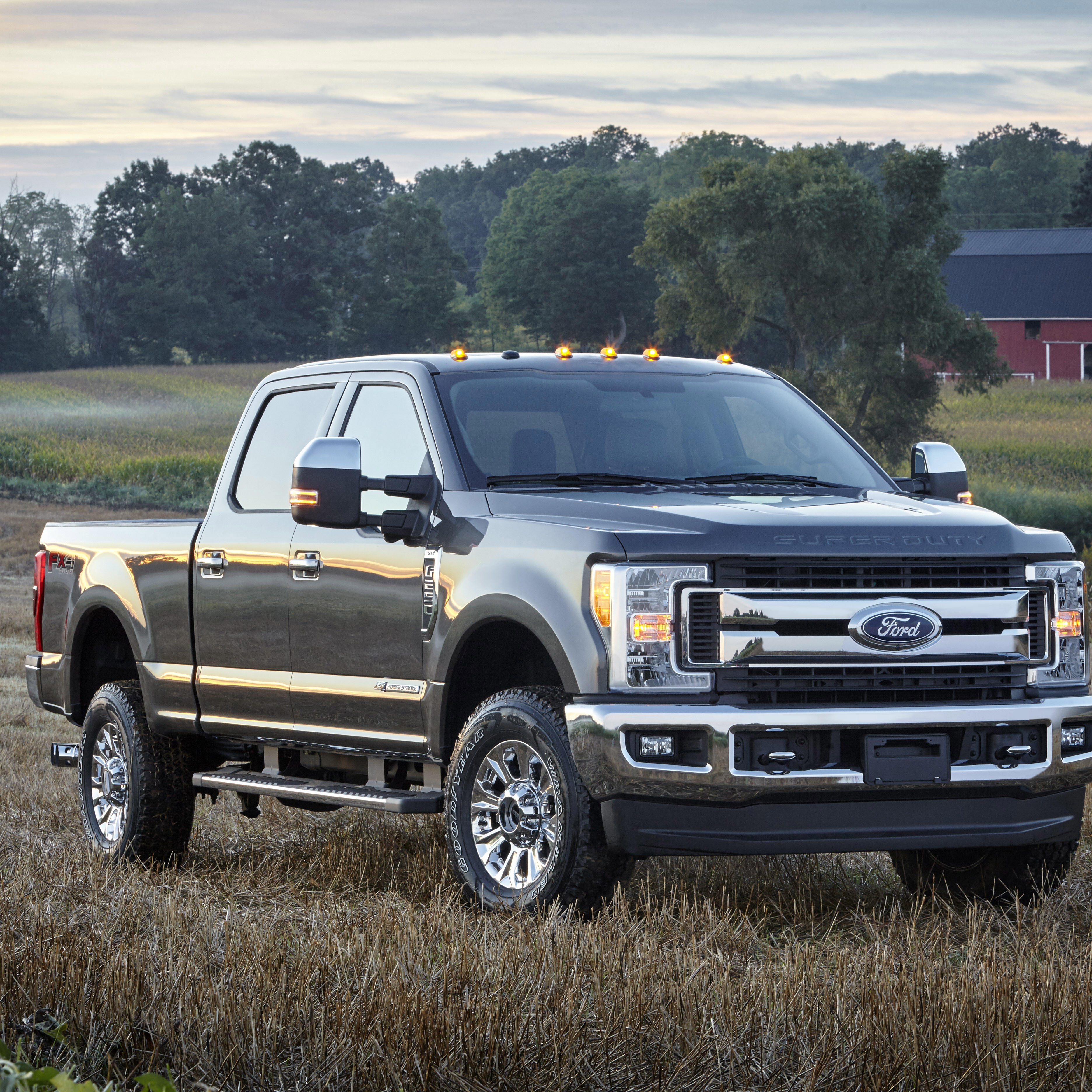
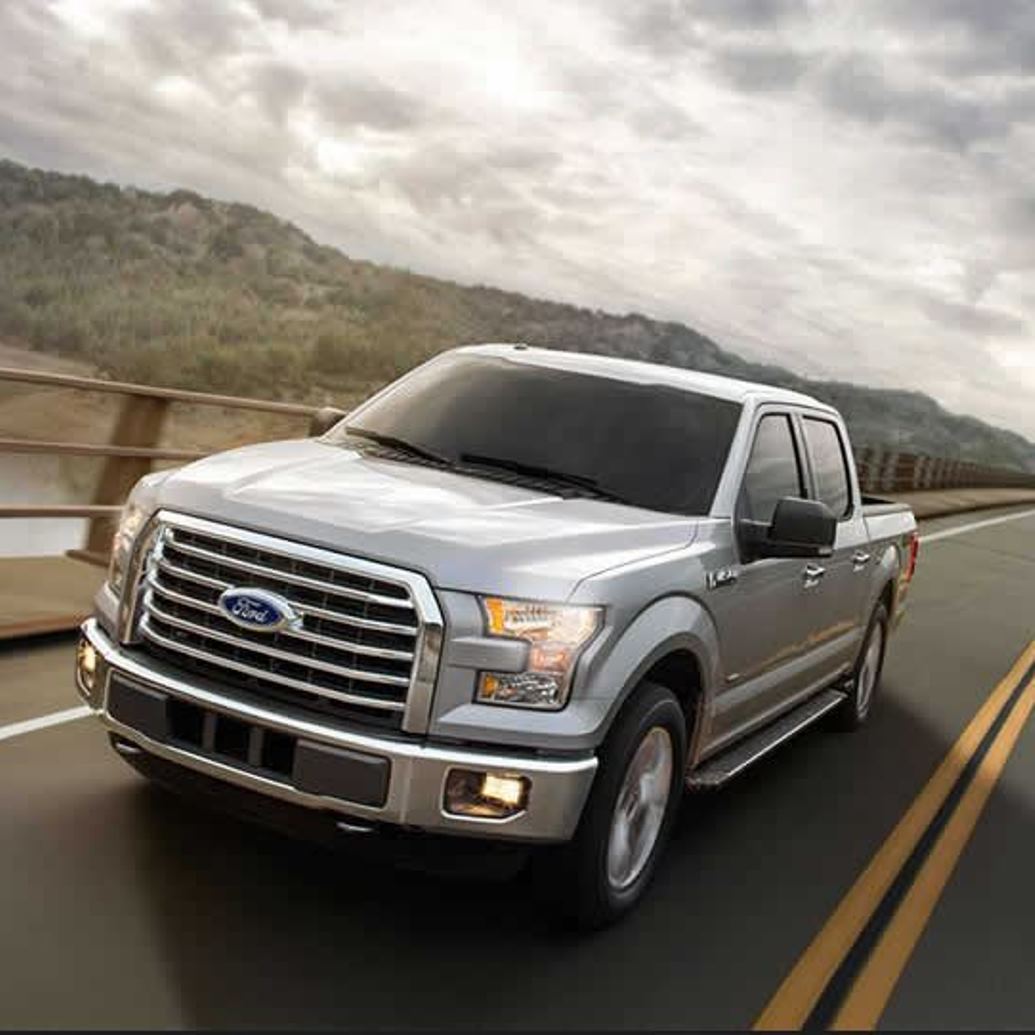
Pickup trucks like the Ford F-150, the Chevy Silverado and Ram drive sales at the Detroit Three automakers. In July, GM promoted massive incentives on some of its Silverado pickups and managed to cut into Ford’s market share lead. Ford’s July market share of 36% was down four points from June, while GM’s share came in at 29.7% for the Chevy Silverado (up about 1.5%) and 12.3% (up about 2.5%) for the GMC Sierra. Ram’s market share totaled 21.9% (up 0.2 points).
Unit sales are not the only issue. Incentive spending is rising too according to J.D. Power/LMC:
Incentive spending in August has averaged $3,559, the highest ever for the month, according to Power/LMC. The previous high for August was $3,419, set in 2015. The highest incentive spending for any month is $3,753, set in December 2008. July incentive payments averaged $3,225 from all carmakers according to TrueCar.
[wallst_email_signup]
KBB analyst Tim Fleming sums everything up:
As we reach the peak of the market, Kelley Blue Book will keep an eye on a few key factors, including increased fleet penetration in 2016 combined with flat retail demand, rising incentive spend from automakers, and used car prices, which have yet to respond to the growing supply of off-lease vehicles. Any changes to the trajectory of these factors could speed up the eventual decline in new-car sales for the industry.
In other words, a slowdown in the auto industry is not a matter of if, but when.







 Top Gaining Stocks
 Top Losing Stocks