


[cnxvideo id=”550173″ placement=”ros”]So, Tesla Motors Inc. (NASDAQ: TSLA) missed its goal for annual production, which is not the first time this has happened. The figure fell well short of 100,000. With mounting competition, questions about when its new battery and assembly infrastructure will be done, and a general lack of interest among consumers in electric cars, Tesla might make that hurdle, but not by much. Or, any of a number of significant problems could cause it to fall short of the mark next year.
Tesla management said the company produced 83,922 cars in 2016, up 64% from 2015. Fourth-quarter production was 24,882, just short of a 100,000 annual run rate.
The reasons for the fourth-quarter issue were not clearly articulated:
Because of short-term production challenges starting at the end of October and lasting through early December from the transition to new Autopilot hardware, Q4 vehicle production was weighted more heavily towards the end of the quarter than we had originally planned. We were ultimately able to recover and hit our production goal, but the delay in production resulted in challenges that impacted quarterly deliveries, including, among other things, cars missing shipping cutoffs for Europe and Asia. Although we tried to recover these deliveries and expedite others by the end of the quarter, time ran out before we could deliver all customer cars. In total, about 2,750 vehicles missed being counted as deliveries in Q4 either due to last-minute delays in transport or because the customer was unable to physically take delivery. Even where these customers had already fully paid for their vehicle, we still did not count these as deliveries in Q4.
[nativounit]
The reason was, in essence, a glitch. Glitches are not a new problem for Tesla, although it usually can fix them with relatively painless software updates, delivered over wireless broadband.
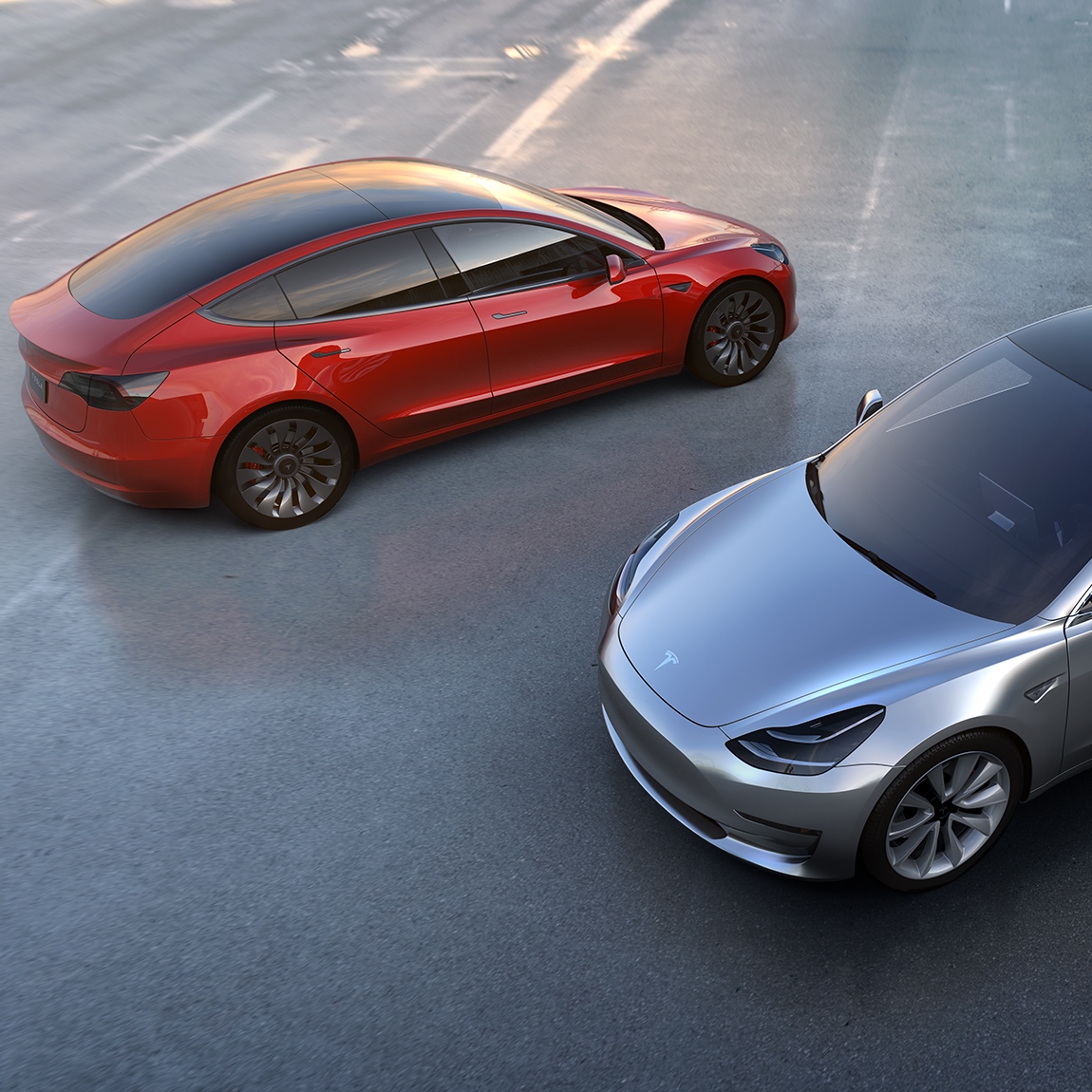
The single greatest advantage Tesla has for a surge in its sales is the Model 3, the upcoming low-priced car, which has 370,000 orders. The people who have put down a deposit expect delivery in mid to late 2018. That is nearly a year later than first expected. Another delay will affect the customer count, although it is impossible to guess by how much.
The rate at which Tesla can produce lithium ion batteries could be another issue. The Gigafactory, which has been set up to build them, was opened on July 29 of last year. Tesla expects the factory to make enough batteries by late in the decade for the company to build 500,000 cars. There have been rumors construction is running well behind schedule. Tesla has denied them.
Production is Tesla’s internal problem, but its biggest challenge may be external. Companies ranging from General Motors Co. (NYSE: GM), which already has launched a low-priced electric car with the Chevy Bolt, to BMW and Mercedes, which want to flank the higher end Tesla models, are wildly rushing to get their own electric car production online. These companies and several others in the electric car race have rock-solid balance sheets, large dealer networks and established brands.
Ironically, the last problem Tesla has is that the industry and products it helped create may have a less than robust market. New research shows 60% of Americans don’t know about electric cars. Dealers generally are wary of selling them because of lack of demand and lack of marketing support from manufacturers.
Can Tesla produce 100,000 cars next year? Maybe not.
[wallst_email_signup]






 Top Gaining Stocks
 Top Losing Stocks