


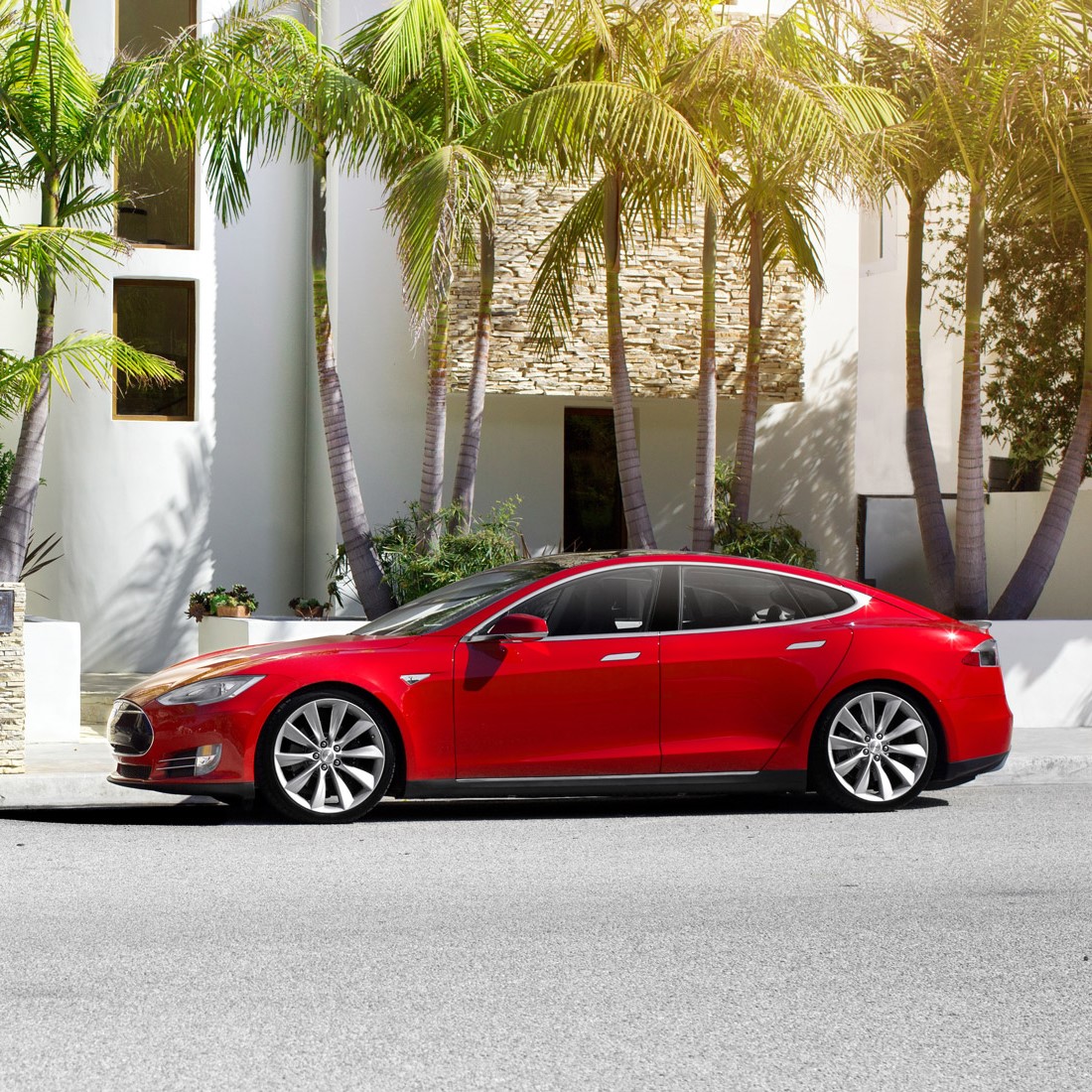
[cnxvideo id=”506829″ placement=”ros”]Tesla Inc. (NASDAQ: TSLA) shares recently hit an all-time high of $287. The stock has run up sharply from its 52-week low of $168. The upcoming launch of its Model 3 has fired enthusiasm. However, there are four major things that could knock down the stock, which trades at wild multiples.
Tesla has a market cap of $44 billion. It may deliver 150,000 cars this year. Ford Motor Co. (NYSE: F), which will deliver over 6 million, has a market cap of $50 billion. Tesla proponents would argue that the company is on the cutting edge of the electric car revolution and a leader in self-driving cars as well. Lost in some of these arguments is that Tesla has strong competition in both, as well as in other critical parts of its business.
Tesla will announce results of the fourth quarter and full year 2016 on February 22. Among the worries investors have is that its poor results in production and sales will continue. On January 3, Tesla released figures that were weak:
Tesla produced 24,882 vehicles in Q4, resulting in total 2016 production of 83,922 vehicles. This was an increase of 64% from 2015.
Tesla delivered approximately 22,200 vehicles in Q4, of which 12,700 were Model S and 9,500 were Model X. When added to the rest of the year, total 2016 deliveries were approximately 76,230.Our Q4 delivery count should be viewed as slightly conservative, as we only count a car as delivered if it is transferred to the customer and all paperwork is correct.
Because of short-term production challenges starting at the end of October and lasting through early December from the transition to new Autopilot hardware, Q4 vehicle production was weighted more heavily towards the end of the quarter than we had originally planned. We were ultimately able to recover and hit our production goal, but the delay in production resulted in challenges that impacted quarterly deliveries, including, among other things, cars missing shipping cutoffs for Europe and Asia. Although we tried to recover these deliveries and expedite others by the end of the quarter, time ran out before we could deliver all customer cars. In total, about 2,750 vehicles missed being counted as deliveries in Q4 either due to last-minute delays in transport or because the customer was unable to physically take delivery. Even where these customers had already fully paid for their vehicle, we still did not count these as deliveries in Q4.
[nativounit]
The first thing that could knock down shares sharply is the continuation of production problems. Without question, there is demand for Tesla products. The upcoming Model 3, the first Tesla that is built for customers who want mid-priced cars, has a wait list that has reached 373,000. Although the first Model 3 should be delivered later this year, many of those on the list will become impatient. Tesla’s way into the mass market could face demand erosion.
Tesla already has competition in the mid-market, which is the second threat to its share price. The most well-known of the competitors is the Chevy Bolt from General Motors Co. (NYSE: GM). There have been multiple rumors in the car industry that its production cannot meet demand, a sign that the car will do well. The Bolt has received excellent reviews. Its price, after government tax credits, is below $30,000, which puts it at the center of the Model 3 market sweet spot. Not only does the Bolt have a multi-month production head start, it is sold through one of the largest dealer networks in the country.
Tesla’s third challenge is competition at the high end of the market, where a number of luxury car companies have taken aim at the Model S sedan and Model X crossover. With tax credits, the Model S base version has a price of $59,500. Higher end models with a full line of accessories have sticker prices above $100,000. Companies from Mercedes to BMW have said their electric luxury cars will be in the market within a year or two.
Finally, Tesla holds a lead with some features of the self-driving car of the future. However, this has become one of the most crowded segments of the industry. Every single large global manufacturer has announced its own initiative, either standing alone or with partners. And companies that are not part of the industry, even Alphabet Inc.’s (NASDAQ: GOOGL) Google, are well along with their own products.
The risks that Tesla will trade at new all-time highs are both large in number and substantial.
[wallst_email_signup]





 Top Gaining Stocks
 Top Losing Stocks