


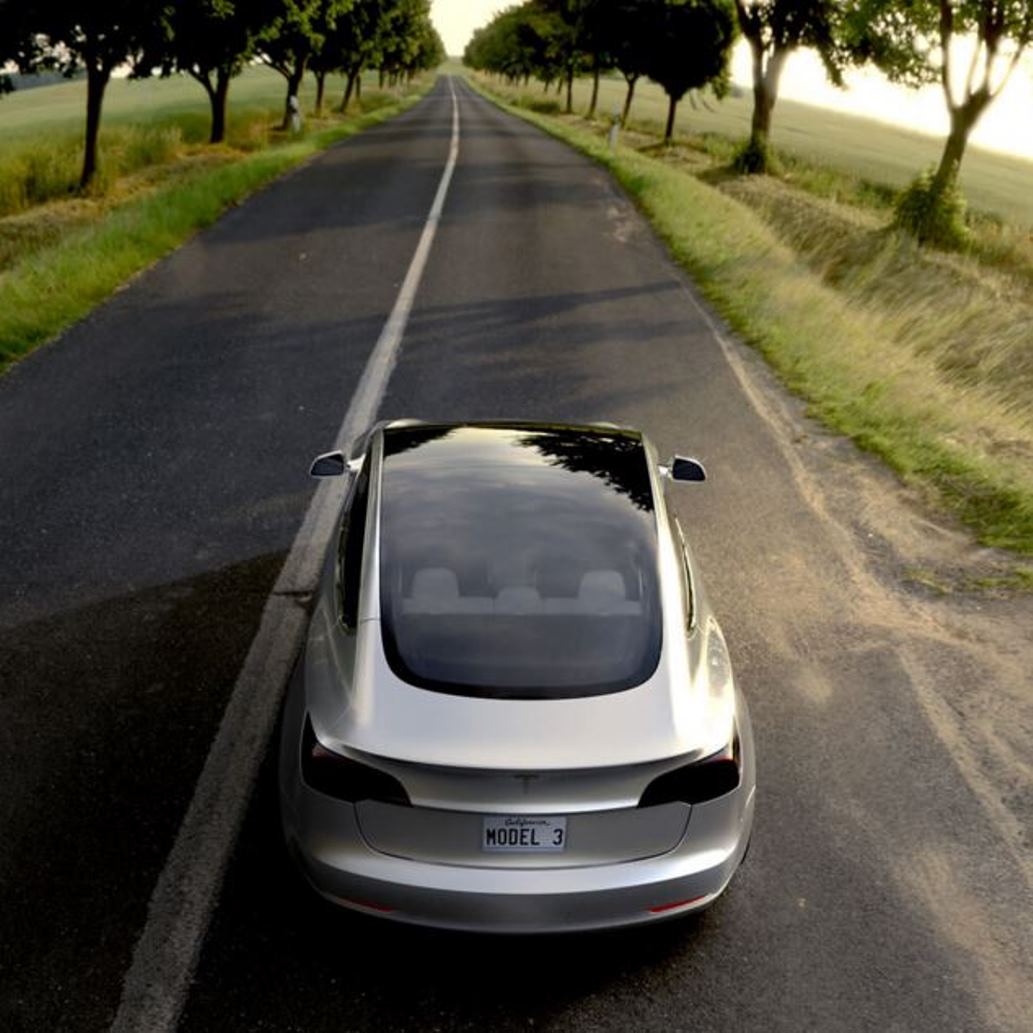
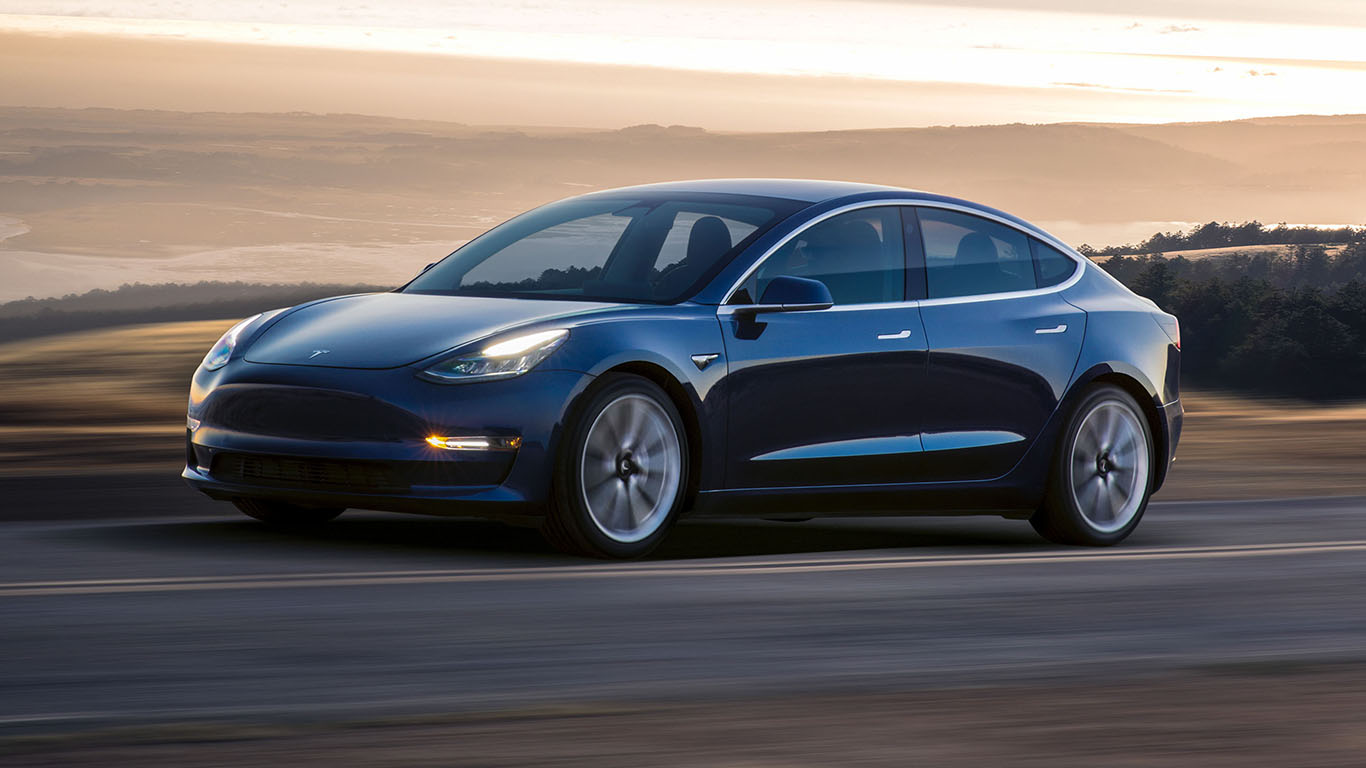
Consumer Reports recently reviewed the Tesla Model 3, and although the car offered some incredible features, there were also some glaring flaws. Elon Musk has spent plenty of time trying to get this car right, and Consumer Reports thinks it could use some more. As a result, Consumer Reports did not issue a recommendation for Tesla’s Model 3.
On the positive side, the agency found record-setting range, as well as exhilarating acceleration and handling that could make it a healthy competitor to performance-oriented cars. However, on the negative side, there were numerous flaws, such as long stopping distances in the emergency braking test and difficult-to-use controls.
According to the test results, the Model 3’s stopping distance of 152 feet from 60 miles per hour was far worse than any contemporary car Consumer Reports has tested and about seven feet longer than the stopping distance of a Ford F-150 full-sized pickup.
Consumer Reports’ experience with the Model 3’s braking was not unique. Car and Driver, in its published test of a Model 3, said it noticed “a bizarre amount of variation” in its emergency braking test, including one stop from 70 mph that took “an interminable 196 feet.”
[nativounit]
Another major factor that compromised the Model 3’s road-test score was its controls. This car places almost all its controls and displays on a center touchscreen, with no gauges on the dash, and few buttons inside the car.
These types of complex interactions with a touch screen can cause driver distraction because each act forces drivers to take their eyes off the road and a hand off the steering wheel.
Also, the Model 3’s stiff ride, unsupportive rear seat and excessive wind noise at highway speeds also hurt its road-test score. In the compact luxury sedan class, most competitors deliver a more comfortable ride and rear seat.
Shares of Tesla Inc. (NASDAQ: TSLA) closed Monday at $284.49, with a consensus analyst price target of $316.92 and a 52-week trading range of $244.59 to $389.61.
[recirclink id=466067]
[wallst_email_signup]








 Top Gaining Stocks
 Top Losing Stocks