


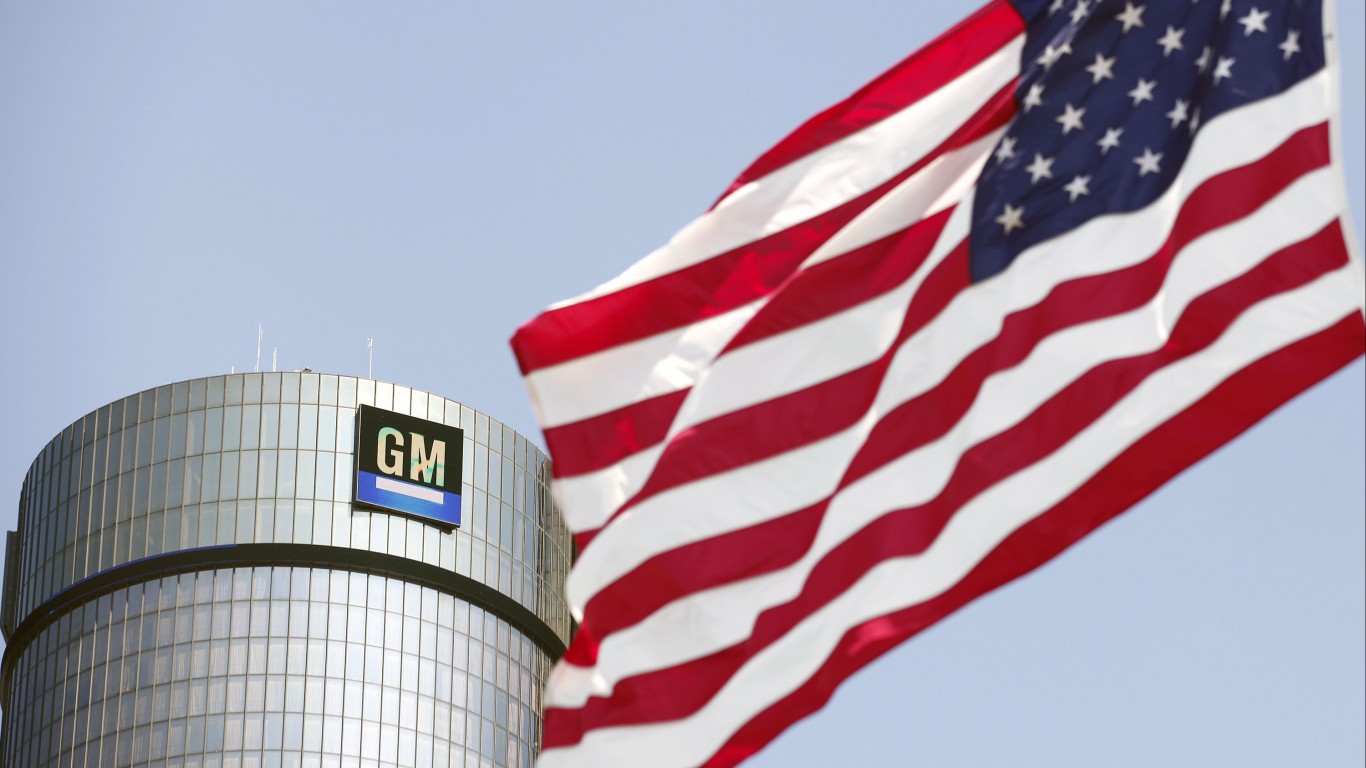
The shares of General Motors Co. (NYSE: GM | GM Price Prediction) trade higher than they did at the start of the year. The United Automobile Workers’ strike against the big car company started nearly three weeks ago. The news about the strike primarily has been that it has idled plants.
Some economists believe the strike eventually could trigger a recession, at least in parts of the country where GM has plants. GM management, however, has made two calculations that investors support. The first is that they have a backlog of most of its cars and trucks on dealer lots. The second is that if the company gets much of what it wants from the UAW, its cost savings over the life of the new contract will be well into the hundreds of millions of dollars.
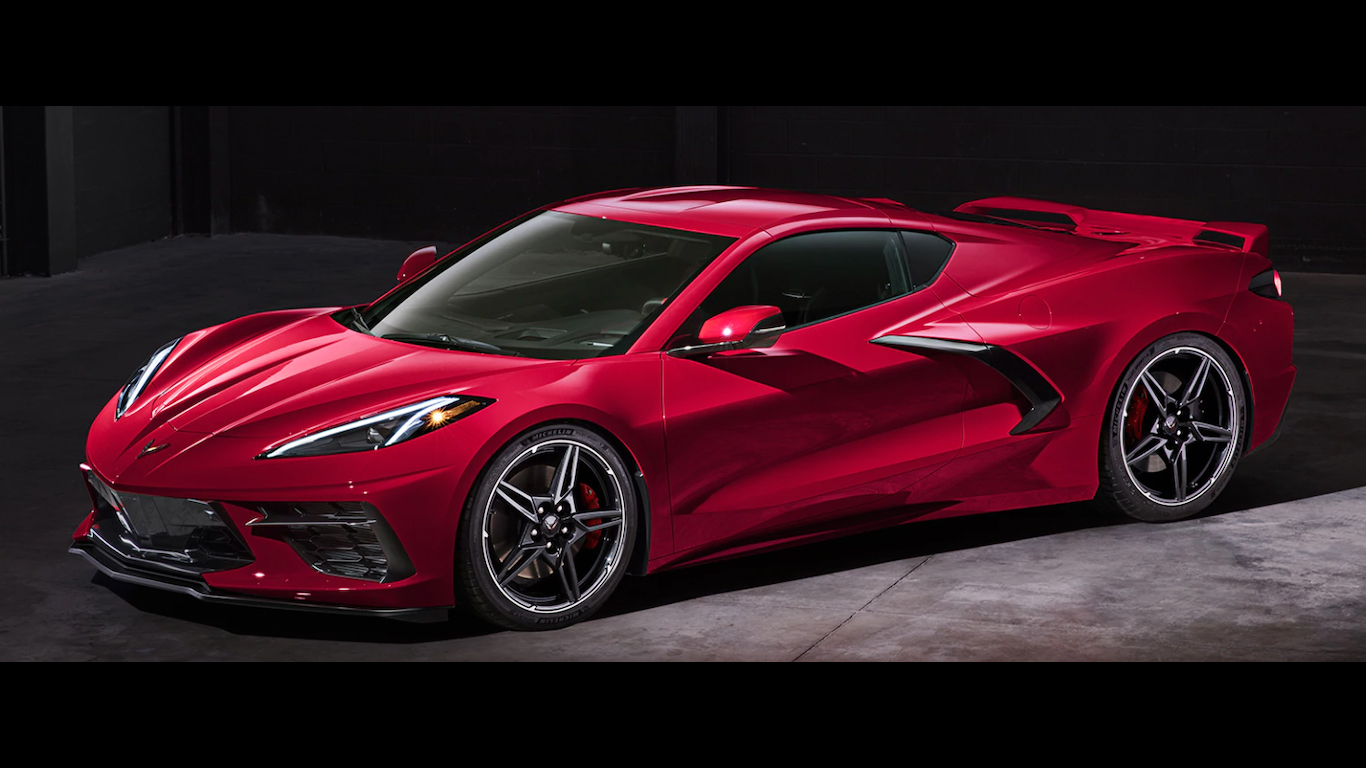
The amount of time the average vehicle sits on a dealer lot is about two months. With some brands, it tends to be much less. Subaru is often on the list of dealer shortages. Brands that are in trouble, like Fiat, often have dealers that have to hold the cars for well over 100 days. Most dealers borrow money for their inventory. The cost for one or two months in not onerous. After that, the dealer begins to suffer financially. The GM strike actually has helped many of its dealers with that. They have cars going out, but with some models none coming in. GM cannot live with this strategy indefinitely, but for some of its models it has no problem. Among those that may be in shorter supply are some of the completely redesigned models launching for 2020.
There is almost nothing new in the GM battle with the UAW. Automotive industry labor contracts center around benefits, wages and the tenure of employees who are paid as if they were temporary and not permanent. The UAW’s simple formula is to get as much as it can in each category. GM’s is to give as little as possible. The major issues can be presented in a more nuanced way, but that does not change the core of those issues.
For GM, the labor math is not hard to do. According to the Center for Automotive Research, a foreign-based company that makes cars in the United States has an average labor cost of $50 an hour. For GM, that number is $63. The gulf is even more important because GM knows that the American market cannot support 17 million-plus vehicle sales a year, as it has for the past five. A recession is coming. GM needs to get its costs down.
[nativounit]
GM shareholders are willing to risk what is so far very modest revenue damage if they can get permanent cost reductions. In the meantime, for most GM models, inventory has not become a substantial problem.
[recirclink id=582582]
[wallst_email_signup]







 Top Gaining Stocks
 Top Losing Stocks