


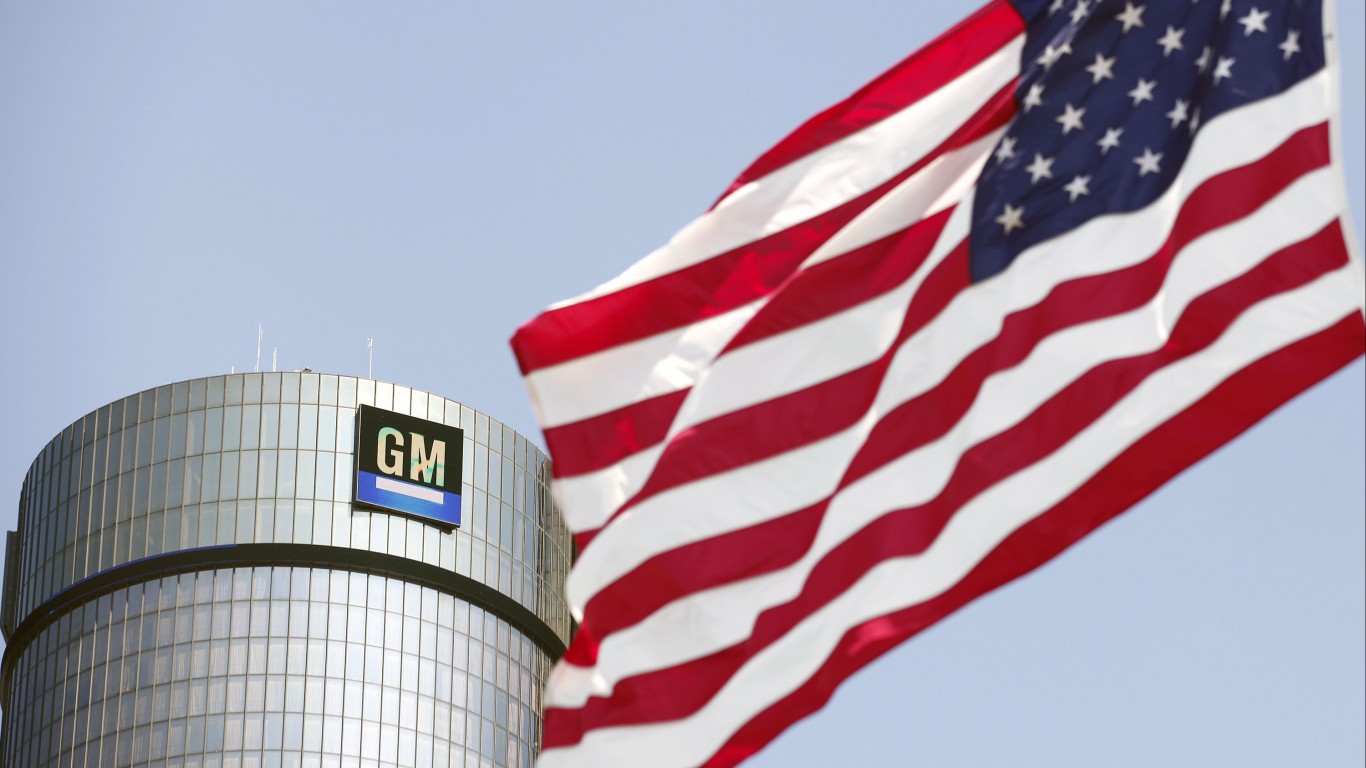
Apparently, Fiat Chrysler Automobiles N.V. (NYSE: FCAU) and PSA Group, owner of Peugeot, may merge. This would create the world’s fourth-largest car company and a worthy competitor to Toyota, General Motors and Volkswagen, which rule the industry. Among the manufacturers left out would be troubled Ford Motor Co., (NYSE: F | F Price Prediction) the second-largest American operation. General Motors Co. (NYSE: GM) would certainly find Ford a strong partner as the industry consolidation continues.
The reasons for consolidation seem compelling. Manufacturing capacity among the car companies has become overbuilt. Combinations would kill some redundancies, which has to be part of the reason PSA and Fiat Chrysler may marry. The redundancies also include people. The global economy faces another recession, probably in the next year. If car companies learned anything in the last recession, it is that a sharp drop in car buyers can ruin a manufacturer.
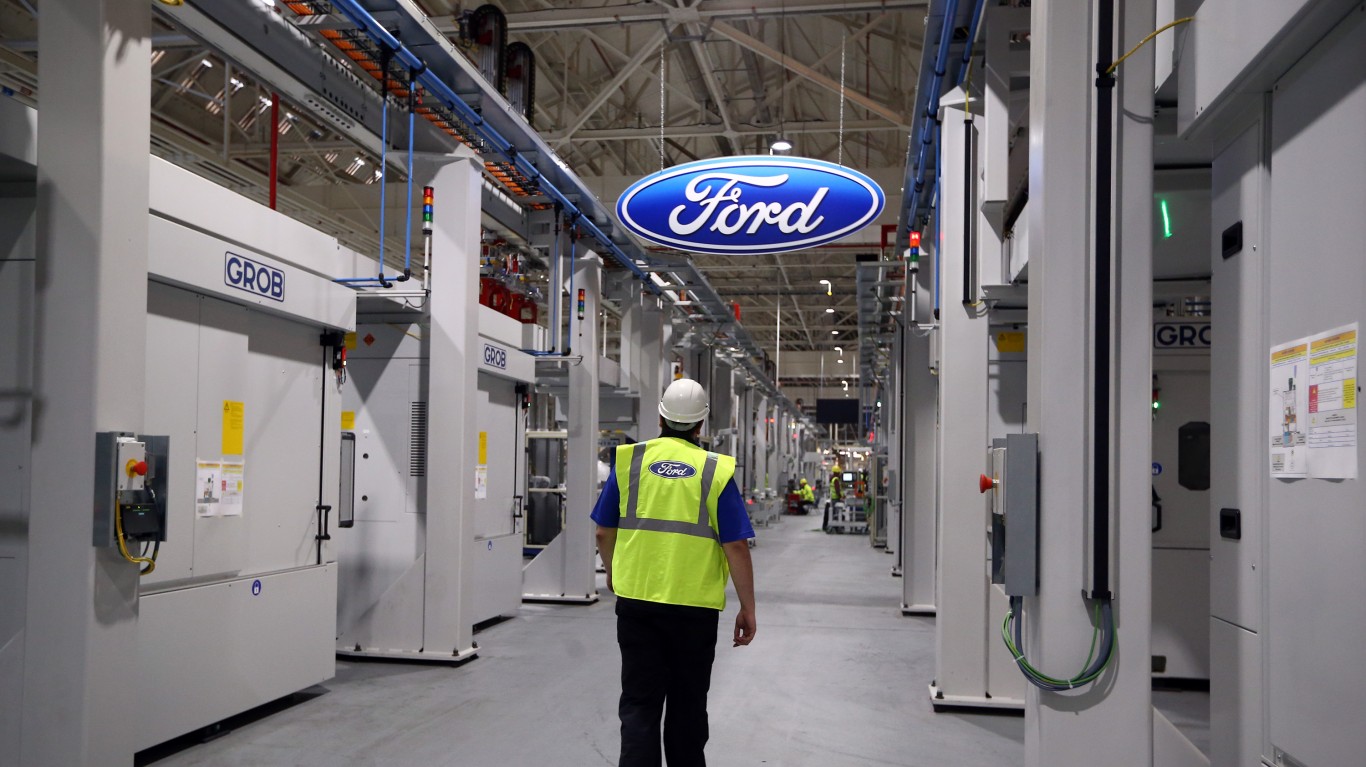
Among the most important parts of any consolidation is the chance to combine product development, which is more complex and costly with the advent of advanced vehicle technology, including electric and autonomous cars. Ford management already has signaled an $11 billion restructuring, which has barely begun, to streamline costs and prepare for a future in which gasoline-powered cars begin to disappear.
Another attractive reason for consolidation is having a footprint in the largest markets, primarily the United States, China and Europe. PSA and Fiat Chrysler would have a chance to challenge leader Volkswagen in Europe. Fiat Chrysler would give the combined company substantial market share in the United States via its Jeep and Chrysler brands. Neither company has a dominant position in China, the world’s largest car market.
The challenges of global market share, manufacturing capacity issues and product development costs have plagued Ford under its new management, led by CEO James Hackett, who has been a disappointment, and Executive Chairman William Clay Ford Jr., whose family still steers Ford. GM’s CEO Mary Teresa Barra, on the other hand, has shown herself to be adroit, smart and willing to make hard decisions. The most recent of these was ending a UAW strike that cost GM about $3 billion.
[nativounit]
Ford and GM certainly have overlapping costs that have to be in the billions of dollars. Together, they would have about 30% of the U.S. market. They would be much less dominant in Europe, which GM has exited, but where Ford still has a presence. GM and Volkswagen are the largest manufacturers in China. Ford’s efforts there have been a catastrophe. No global car company can have long-term success without a major presence in the world’s largest car market.
Ford has made a major commitment to electric and autonomous vehicles. Management says the company will have 40 electric vehicles by 2022, an audacious claim. GM has to go down the same path. Together, they would face every other large manufacturer, as well as Tesla and tech companies like Alphabet (owner of Google), which has its own self-driving division: Waymo.
Investors have signaled their worry about both GM and Ford. GM’s market cap is $55 billion and Ford’s is $34 billion. On the other hand, Toyota’s is $198 billion. Future risk concerns are baked into these figures.
The Ford family ultimately will decide whether the company can be bought out by or merge with GM. Their own self-interests may be served by tethering their weak manufacturer to one that is much larger. In fact, over time, they may not have a choice. GM would allow Ford “ownership” to stay in the United States, instead of going to Japan, Europe or South Korea.
Challenges to a Ford and GM merger include aggressive unions and, perhaps, the U.S. government. If the future represents the kind of risk the two companies must see on their horizons, they will be willing to weather those to have a pole position in the global market.
[recirclink id=587888]
[wallst_email_signup]







 Top Gaining Stocks
 Top Losing Stocks