


Fiat Chrysler Automobiles N.V. (NYSE: FCAU) proposed a merger with Renault that would create the world’s third largest carmaker. The eroding economics of the industry make such deal more likely by the day. Deep trouble at Ford Motor Co. (NYSE: F | F Price Prediction) and General Motors Co.’s (NYSE: GM) need for more heft to compete with rivals Toyota and Volkswagen make a marriage between the two largest car companies increasingly probable.
Fiat Chrysler argues that a tie-up with Renault will lead to $5.5 billion in savings. As car sales have flattened in the United States and started to drop in China, the two largest markets in the world offer less hope for revenue improvement. Neither company has much of a sales footprint in China. Renault has none at all. Both have a strong market share in Europe, but it is one of the most competitive markets in the world. At the low end of the market, VW is the dominant force. At the high end, it is BMW and Mercedes.
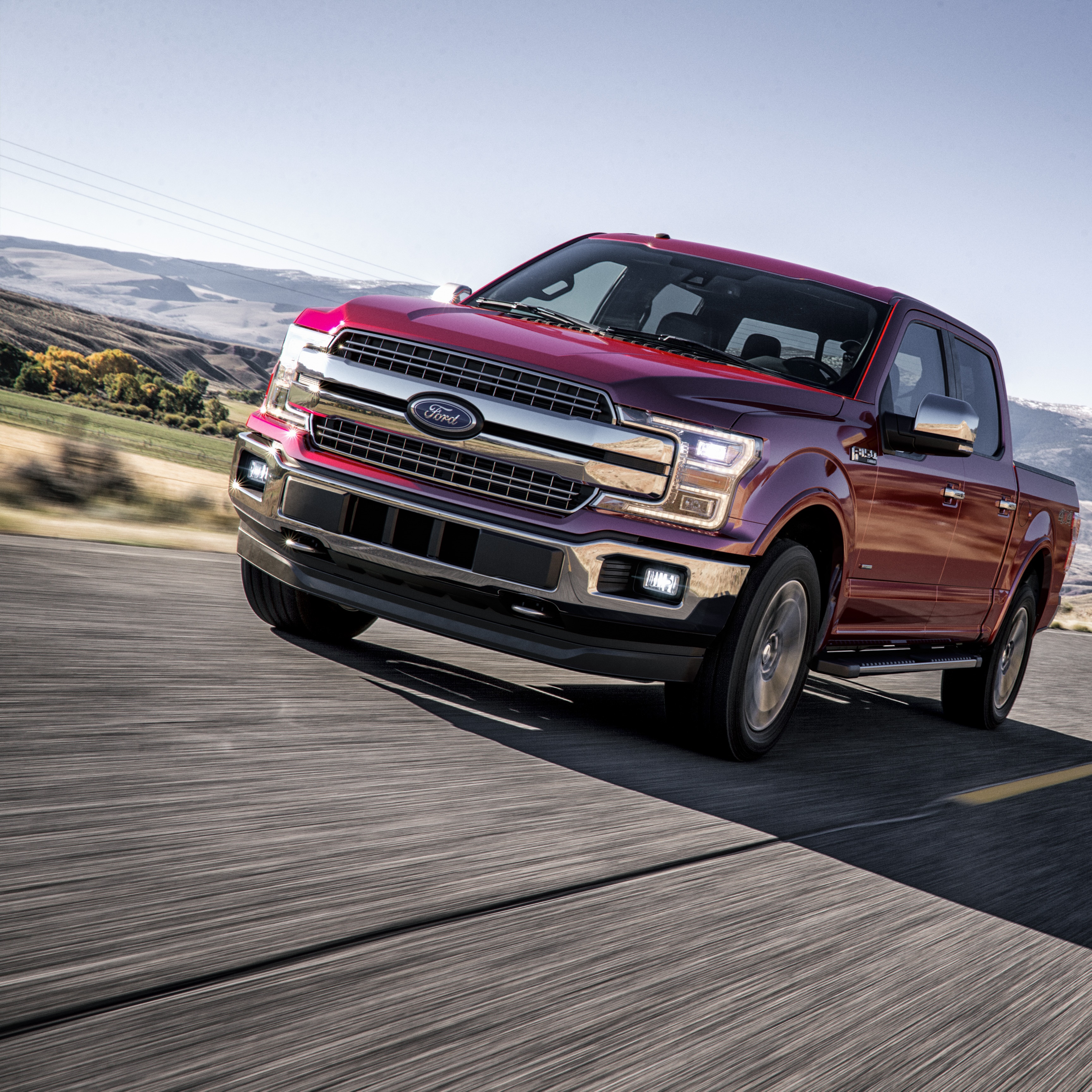
While GM and Ford both have a strong market share in the United States, Ford has stumbled. It has withdrawn most of its sedans in the American market because sales have shifted from cars to sport utility vehicles, crossovers and pickups. Ford’s only bright spot in the United States is its F-Series full-sized pickup, which is the top-selling vehicle in the nation. Ford’s sales in China are abysmal and falling. GM’s are strong, but it is up against other car companies, both local and global, that need the largest car market to be successful.
Ford’s management, under CEO Jim Hackett and Executive Chair William Ford, has shown it can cut costs. It recently cut 7,000 white-collar workers. That will save $600 million. Hackett has set total savings of $14 billion for the five-year period that began last year. He also said the company will invest $11 billion to have 40 electric and hybrid cars by 2022. Not many outsiders believe he can make his goal. Ford may build more electric cars and hybrids, but selling them is another matter. The competition in this market runs from tech companies like Alphabet’s Waymo to Tesla, startups and every major manufacturer in the world. There is no evidence Ford is ahead of this wave, and so far, it appears the company is behind it. Confidence in Hackett, in particular, is low.
[nativounit]
GM is better regarded than Ford, primarily because of the work of CEO Mary Barra. She has been CEO of GM since 2014. It also has cut costs. However, many outsiders believe it is ahead of most of its rivals in both the electric and self-driving car businesses. GM owns 75% of Cruise Automation, a leader in artificial intelligence of future cars.
GM has two other advantages over most global manufacturers. It is among the leaders in car sales in China. With its joint venture partners, it sold 813,973 vehicles in the first quarter. GM is also the leader in U.S. car sales, with about 17% of the market.
One of the primary hurdles GM would have if it took over Ford is that the market share of the two in the United States would be close to 30%. Either U.S. regulators would need to accept that, or the combined company would need to sell or spin out some of its brands. The most likely of these are GM’s Buick or GMC truck business.
While GM may have a future as a standalone car company over the next decade, Ford does not. Its market cap is down 42% over the past five years, while GM’s is close to flat. The savings in a combination would be well into the billions of dollars. A marriage of the two also could compete effectively with Toyota, VW and perhaps the new Fiat Chrysler and Renault combo. GM also has the advantage that it is considered to make among the most dependable American cars.
[recirclink id=549533]
[wallst_email_signup]







 Top Gaining Stocks
 Top Losing Stocks