


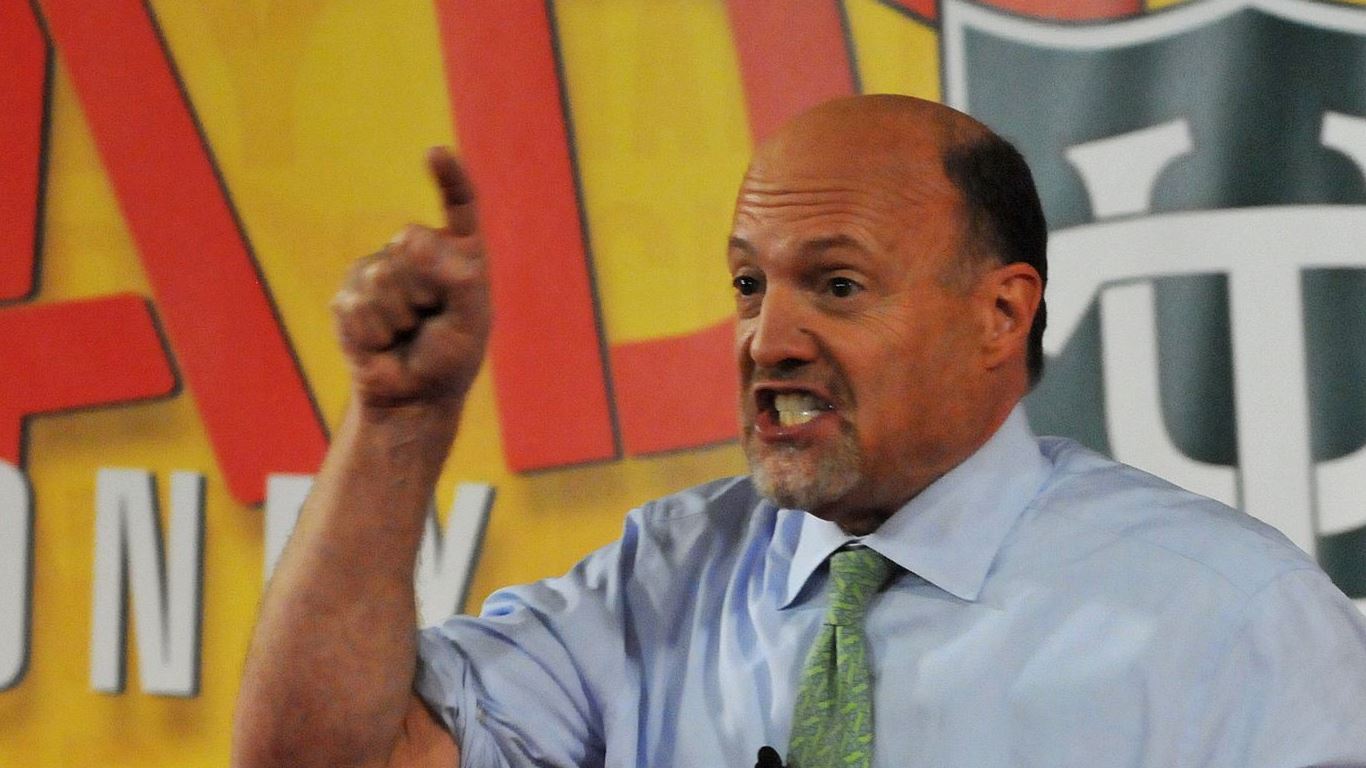
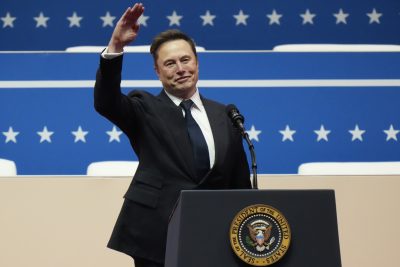
After its earnings announcements, Jim Cramer, America’s ancient stockpicker and TV star, said Tesla Inc. (NASDAQ: TSLA | TSLA Price Prediction) stock was the only one of the Magnificent 7 he did not own. He added that earnings were hardly important. If they were, “the stock would be in the gutter because the electric vehicle business is in such bad shape.” Then, Cramer added, “Tesla trades on Elon Musk’s storytelling.” Cramer won’t own the stock, but won’t trash the storytelling, at least not aggressively. Cramer believes that some investors have faith in Musk and can wait to hear more stories.
Tesla’s most shocking comment is that it will kill half its model line (excluding the failed Cybertruck). On the chopping block are the Model X and Model S, luxury models that do not sell well. The Model 3 and Model Y, both much less expensive, make up almost all of Tesla’s sales.
Tesla will invest $2 billion in xAI, the social media and artificial intelligence company Musk controls. It would seem to be a conflict of interest, but there has been no outcry. Musk’s SpaceX has already put money into xAI. Tesla wants access to xAI to help it build robots and a true self-driving car. A broad license of xAI software might have done just as well and would not have taken the $2 billion off Tesla’s balance sheet.
Of course, Tesla mentioned that its 2025 revenue dropped 3% to $98.4 billion.
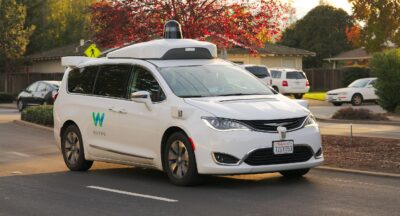
The company also said it would open its wallet and take out $20 billion for capital spending. That is about double what it was last year. The money, and part of the production facilities for the Model S and Model X, will boost Tesla’s investment into cars that really drive themselves completely and without human help. Self-driving tests of Tesla and Waymo robotaxis require a human to be involved, if only for safety if the self-driving feature fails to function.
Musk says billions of dollars will go toward the new Optimus robot. It will, he says, cut much of the need for human labor worldwide and “eliminate poverty.” Companies have dreamed about making a fully operational robot for decades. This has never worked. All experiments to build a robot so advanced have stumbled because sophisticated software was lacking.
Tesla’s challenge in the self-driving business is that it has competition. That competition, most notably from Alphabet’s Waymo, is ahead of it in terms of the cities where it can be tested. Waymo also has the advantage that several car companies could eventually use its offerings. Should Tesla’s service work well enough, it will only be available on its own cars. The Tesla self-driving service also assumes people will want it. The demand for electric vehicles (EVs) was supposed to be insatiable. That was not the case, and it hurt Tesla badly.
Tesla’s stock did not move much during the announcements. Investors appear to be willing to wait another year, and perhaps a year after that, to see if the new products and services work.
Tesla Stock Price Prediction and Forecast 2026–2030







 Top Gaining Stocks
 Top Losing Stocks