


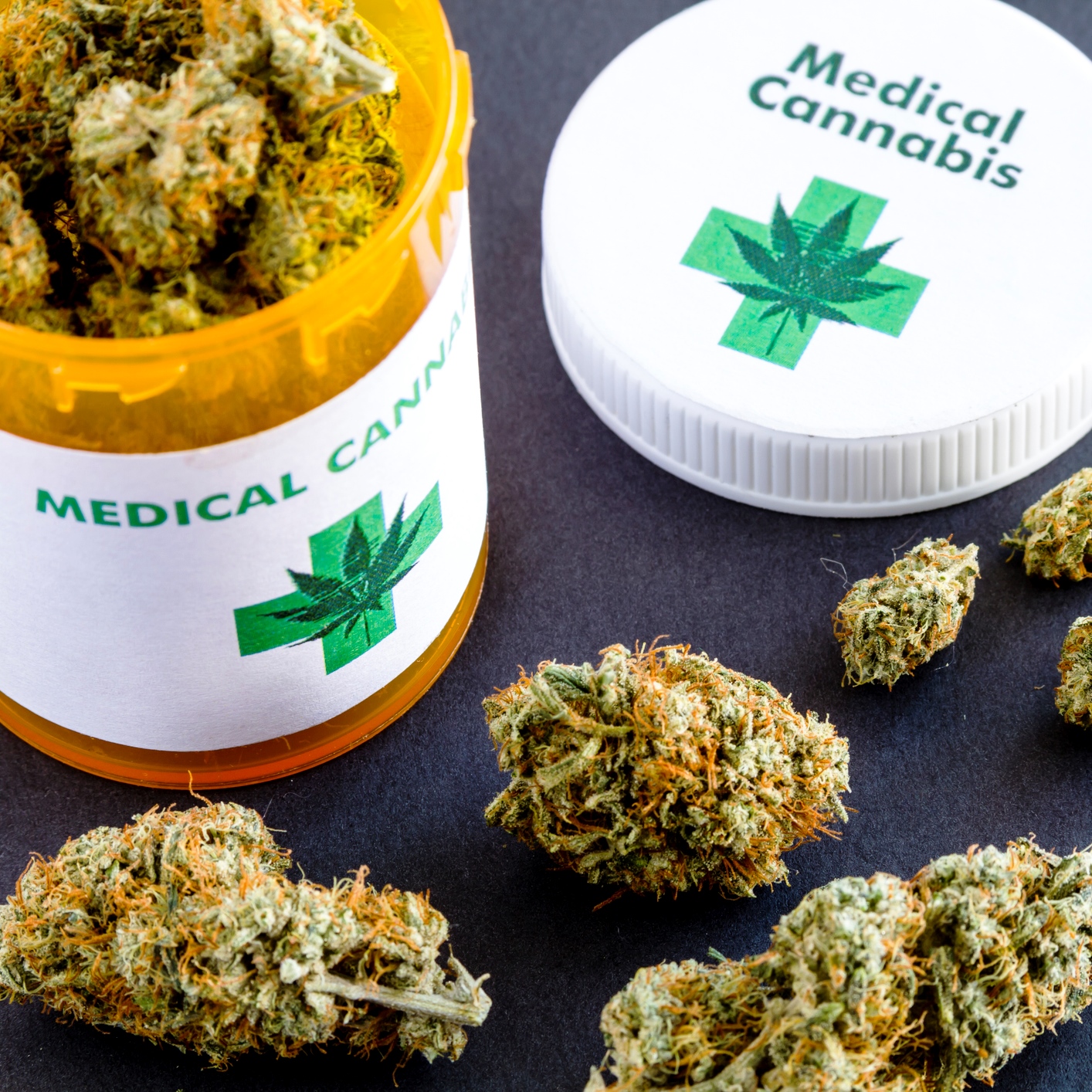
[cnxvideo id=”620993″ placement=”ros”]In 2013, the U.S. government spent about $2 billion through the Medicare health insurance program to pay for opioid painkillers like OxyContin, Hydrocodone and Fentanyl. That total could have been reduced by $220 million if all 50 states permitted the use of medical marijuana.
The data were reported Wednesday by New Frontier Data, a research and analysis firm focused on the cannabis industry in the United States.
The firm cites a 2016 study at the University of Georgia that concluded that 11% of Medicare costs for opioids could be saved by substituting medical marijuana for opioid painkillers.
[nativounit]
According to Giada Aguirre De Carcer, CEO of Frontier Data:
The numbers are staggering: Opioid drug prescriptions in the United States have nearly tripled from 76 million to 207 million in the past 25 years, and today more than 2 million Americans are suffering from opioid abuse. In 2015, for the first time, drug-related deaths exceeded the number of fatalities from car accidents. No one can argue that Americans are not gripped by an opioid epidemic, and the research shows that prescribing medical cannabis has helped to reduce the overall number of opioid drug prescriptions.
More important than the cost savings, De Carcer said, are the lives that could be saved:
More than 33,000 people died from opioids in 2015, the highest rate ever recorded. Meanwhile, our military veterans suffer from chronic pain at twice the rates of the general population, and they are twice as likely to die from an accidental opioid overdose. They are currently unable to access medical cannabis without jeopardizing access to their VA health benefits. By lowering the expenditures on opioids, and by reducing the costs associated with treating opioid dependency, the Veterans Health Administration – the nation’s largest integrated healthcare system – could equally benefit from massive savings.
In a recent review published by the National Academies of Sciences, Engineering and Medicine (NAS), the review committee found “evidence to support [the claim] that patients who were treated with cannabis or cannabinoids were more likely to experience a significant reduction in pain.” The committee also found “substantial evidence” that adults suffering from multiple sclerosis-related symptoms “improved their reported symptoms” with short-term use of certain oral cannabinoids. There was also “conclusive evidence” that some of the oral cannabinoids were effective in preventing the nausea and vomiting associated with adults receiving chemotherapy treatment.
The NAS also proposed ways to expand and improve the quality of cannabis research efforts, enhance data collection efforts to support the advancement of research, and address the current barriers to cannabis research.
[wallst_email_signup]











 Top Gaining Stocks
 Top Losing Stocks