



As yet another signal that the U.S. Postal Service (USPS) has outlived its usefulness and should be replaced by private enterprise operations, it finished dead last in the carefully followed American Customer Satisfaction Index for customer shipping. The rating was part of the larger ACSI Retail and Consumer Shipping Study 2021–2022.
On a scale of 1 to 100, the USPS ranked 70, behind leader FedEx at 75 and UPS at 74. The study is based on interviews with 36,517 customers, chosen at random and contacted via email between January 11, 2021, and December 20, 2021.
The rating for customer shipping was based on the physical condition of packages, ease of tracking, range of delivery options, staff courtesy and timeliness of delivery. The USPS’s image was badly injured because of the slow delivery of ballots in the 2020 general election and a reported rise in the time it takes for first-class mail to reach its destination.
The USPS has been a thing of the past for several years. It is slow, inefficient, poorly run and can be replaced by private enterprise. It has 31,000 offices, some of them in areas that have so few people that they do not get enough foot traffic to support them. It employs over 644,000 workers, over half a million of which have extremely high benefits, primarily negotiated by the American Postal Workers Union. The cost of these benefits alone, for both current and future retirees, is enough to swamp the USPS financially. The labor situation is similar to that of the car companies before they went under.
[nativounit]
Shuttering the USPS would allow the federal government to move mail delivery to FedEx and UPS, each of which is highly profitable and would not rely on government funding. Together, they are certainly large enough to handle the business. FedEx has 600,000 workers and revenue of about $100 billion annually. UPS has 540,000 workers and $90 billion a year in revenue.
Some of the 31,000 locations the USPS has could be sold and the money sent to the Treasury. Alternatively, UPS or FedEx could lease them as service centers. The operating cost of each of these offices would be eliminated.
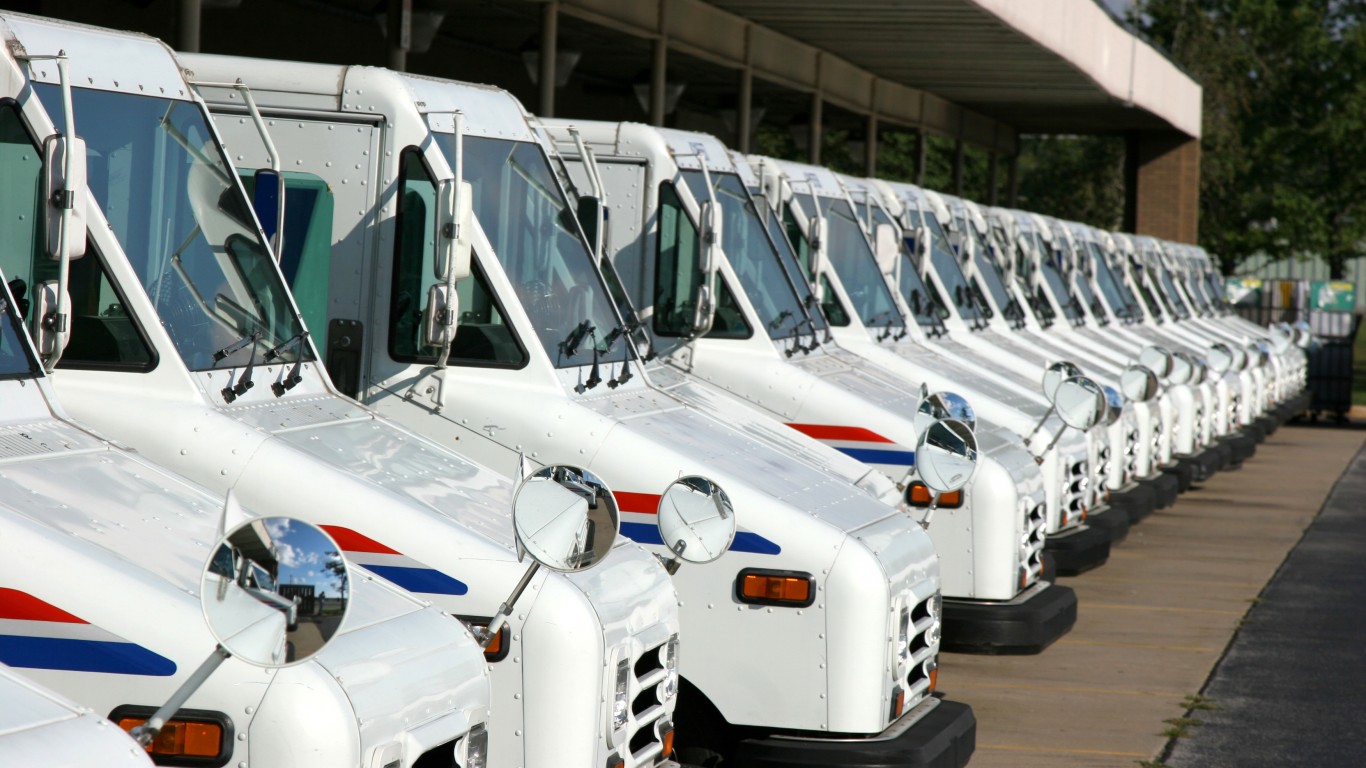
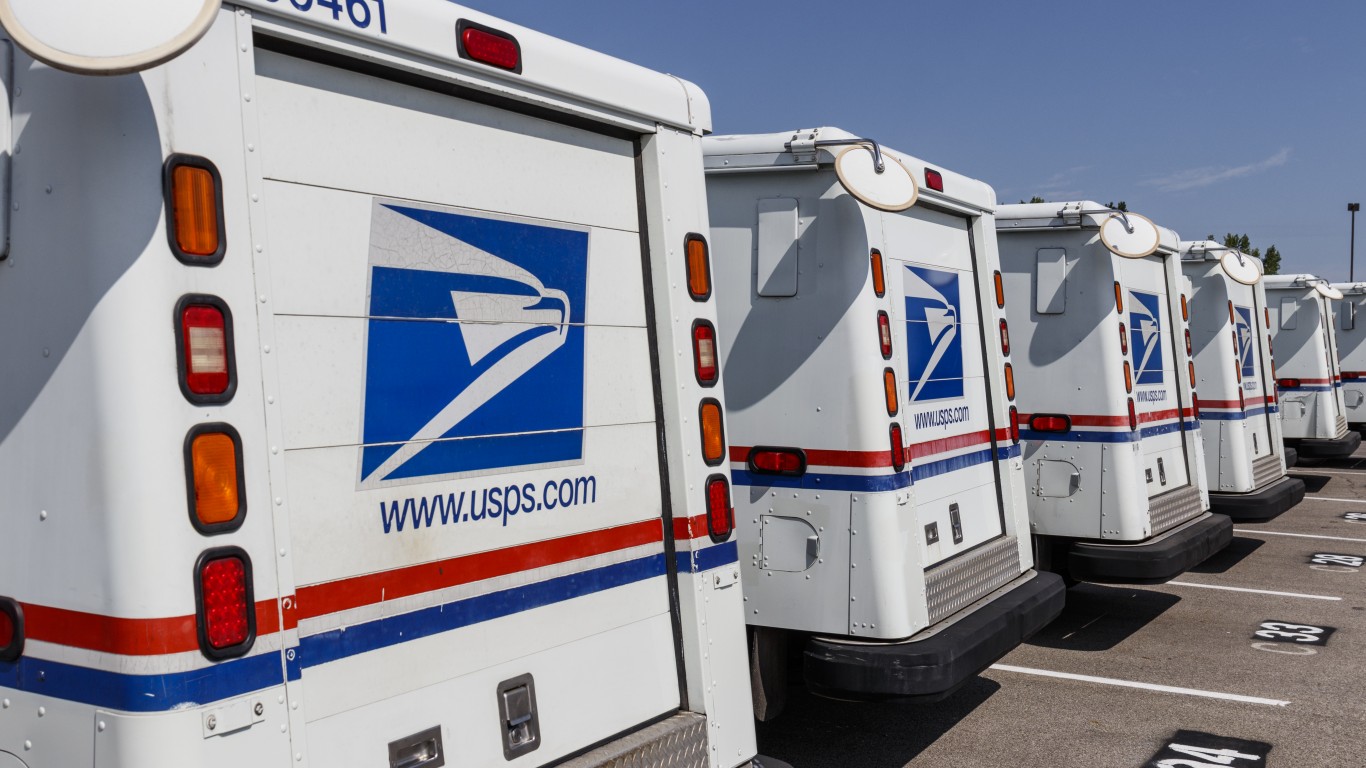
The USPS has a number of aging fossil fuel-based vehicles. Most of these would be taken out of service quickly. Recently, it made the decision to keep almost its entire fleet fossil fuel based.
Closing the USPS would allow an end to the fiction that mail has to be delivered six days a week. Daily mail delivery has almost no benefits. FedEx and UPS have extensive experience delivering mail periodically. Certainly, three deliveries a week would be adequate. It would be the financial responsibility of UPS and FedEx to do this without recourse to government money. There would be some cap on what they could charge businesses and individuals for mail, although that might be above current levels.
Close the U.S. Postal Service. Its value has all but disappeared.
Click here to read about closing the USPS, cutting 600,000 people and shuttering 31,000 offices.
[wallst_email_signup]












 Top Gaining Stocks
 Top Losing Stocks