Does BlackBerry Make a Single Product Anyone Wants?

Photo of Douglas A. McIntyre
By Douglas A. McIntyre Updated Published
This post may contain links from our sponsors and affiliates, and Flywheel Publishing may receive compensation for actions taken through them.

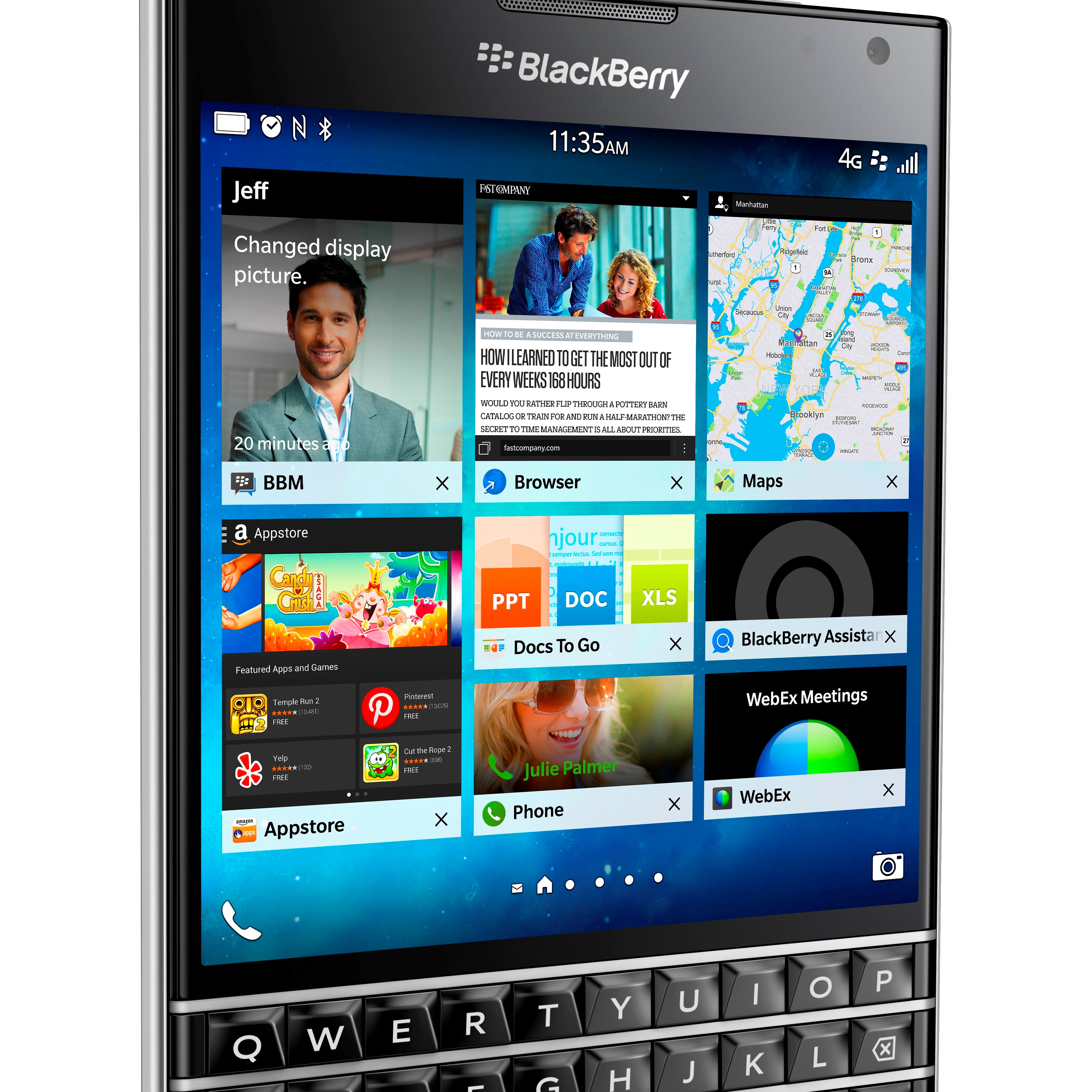
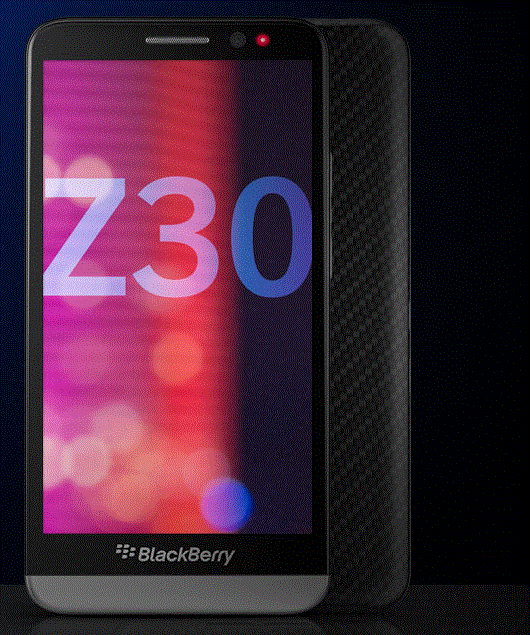
Does struggling smartphone company BlackBerry Ltd. (NASDAQ: BBRY) make a single product consumers or business people want? No. And that, more than financial losses and restructuring, is what ultimately matters if the company is to survive or be sold. Its flagship Z10, Z30 and Q30 products have no appeal, based on sales numbers.

The information for the quarter remained remarkably grim:

Revenue for the third quarter of fiscal 2014 was approximately$1.2 billion, down $380 million or 24% from approximately $1.6 billion in the previous quarter and down 56% from $2.7 billion in the same quarter of fiscal 2013. The revenue breakdown for the quarter was approximately 40% for hardware, 53% for services and 7% for software and other revenue. During the third quarter, the Company recognized hardware revenue on approximately 1.9 million BlackBerry smartphones compared to approximately 3.7 million BlackBerry smartphones in the previous quarter.

How can a smartphone company sell only 1.9 million units and make it another year? It would need to have a product on the drawing board that, for some reason, would be unusually attractive in a sea of competition that includes the already wildly attractive Apple Inc. (NASDAQ: AAPL) iPhone and Samsung Galaxy product.

The one reason the market cheered the results is that BlackBerry will exit the hardware business in which it has been so abysmally ineffective:

The Company announced today that it has entered into a five-year strategic partnership with Foxconn, the world’s largest manufacturer of electronic products and components. Under this new relationship, Foxconn will jointly develop and manufacture certain new BlackBerry devices and manage the inventory associated with those devices. The initial focus of the partnership will be a smartphone for Indonesia and other fast-growing markets targeting early 2014.

The fact of the matter is that, in the smartphone world, 2014 is a long way off, even it seems to be right around the next corner.

Among BlackBerry’s greatest enemies are the huge U.S. carriers, AT&T Inc. (NYSE: T) and Verizon Communications Inc. (NYSE: VZ). One of the primary ways these companies sell BlackBerry devices is to recycle used ones and offer them to customers for $0.99 or even zero. BlackBerry’s Q10, priced at $199, has to compete with those particularly low offers. AT&T probably reasons that so few people will buy the more expensive BlackBerry that it may as well give away devices to customers who are willing to consider the brand at all.

There can be no BlackBerry revival based on selling devices no one wants.

Photo of Douglas A. McIntyre
About the Author Douglas A. McIntyre →

Douglas A. McIntyre is the co-founder, chief executive officer and editor in chief of 24/7 Wall St. and 24/7 Tempo. He has held these jobs since 2006.

McIntyre has written thousands of articles for 24/7 Wall St. He is an expert on corporate finance, the automotive industry, media companies and international finance. He has edited articles on national demographics, sports, personal income and travel.

His work has been quoted or mentioned in The New York Times, The Wall Street Journal, Los Angeles Times, The Washington Post, NBC News, Time, The New Yorker, HuffPost USA Today, Business Insider, Yahoo, AOL, MarketWatch, The Atlantic, Bloomberg, New York Post, Chicago Tribune, Forbes, The Guardian and many other major publications. McIntyre has been a guest on CNBC, the BBC and television and radio stations across the country.

A magna cum laude graduate of Harvard College, McIntyre also was president of The Harvard Advocate. Founded in 1866, the Advocate is the oldest college publication in the United States.

TheStreet.com, Comps.com and Edgar Online are some of the public companies for which McIntyre served on the board of directors. He was a Vicinity Corporation board member when the company was sold to Microsoft in 2002. He served on the audit committees of some of these companies.

McIntyre has been the CEO of FutureSource, a provider of trading terminals and news to commodities and futures traders. He was president of Switchboard, the online phone directory company. He served as chairman and CEO of On2 Technologies, the video compression company that provided video compression software for Adobe’s Flash. Google bought On2 in 2009.

Featured Reads

Our top personal finance-related articles today. Your wallet will thank you later.

Continue Reading

Top Gaining Stocks

CBOE Vol: 1,568,143
PSKY Vol: 12,285,993
STX Vol: 7,378,346
ORCL Vol: 26,317,675
DDOG Vol: 6,247,779

Top Losing Stocks

LKQ
LKQ Vol: 4,367,433
CLX Vol: 13,260,523
SYK Vol: 4,519,455
MHK Vol: 1,859,865
AMGN Vol: 3,818,618