


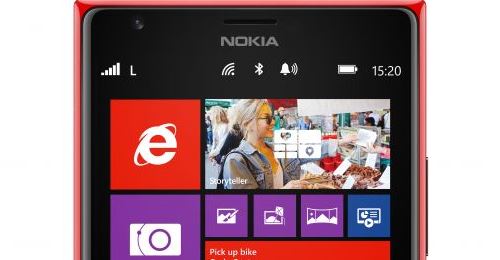
Sales of its Windows Phone just didn’t cut the mustard after expected synergies from its $7.6 billion acquisition of Nokia simply failed to materialize. As of its last quarterly report filed in April, phone hardware revenue came in at $1.4 billion, with a total 33.3 million phones sold. Gross profit margins, however, were still negative.
The Nokia acquisition cost the tech giant over $400 million last quarter in increased expenses in both research and development and administrative costs. While the entire Devices and Consumer segment saw increased revenues of 19%, it was not enough, as cost of revenue increased much more at 31%, mainly due to phone hardware.
ALSO READ: Key Analyst Raises Apple iPhone Targets but Ignores Apple Watch
The writing was on the wall, or rather in the filing, months before (page 51):
In this highly competitive and volatile market [of phone hardware], it is possible that we may not realize our forecast. Considering the magnitude of the goodwill and intangible assets in the Phone Hardware reporting unit, we closely monitor the performance of the business versus the long-term forecast to determine if any impairments exist in our Phone Hardware reporting unit. In the third quarter of fiscal year 2015, Phone Hardware did not meet its sales volume and revenue goals, and the mix of units sold had lower margins than planned. … Given its recent performance, the Phone Hardware reporting unit is at an elevated risk of impairment. … [T]his may result in a determination that an impairment adjustment is required …
Well, now it is impaired. Is this something unique to Microsoft, or is it something systemic in phone hardware across companies? Looking at the numbers, it is clearly a Microsoft-specific issue. People want smartphones. It’s just that nobody wants a Windows phone.
For example, if we take a look at Lenovo, its worldwide smartphone shipments grew 38% year over year. That is pretty hefty growth. Swing over to Samsung, and it is hanging on to its lead in market share. There is a weak sign with Samsung of decreased revenue in its IT and Mobile Communications division of 20% this quarter, but when you are still the market leader this is only a relatively minor disappointment.
ALSO READ: Why Investors and Analysts See AT&T as the Best Carrier Again
Apple iPhone sales continue to grow wildly at a 55% year-over-year pace, by far the fastest growing segment of the largest company by market cap in the world. The absolute sales increase was just over $14.2 billion, and iPhone sales are over seven times Mac computer sales by revenue, to give a sense of perspective.
Let’s face it. The Windows operating system beat out Apple’s Mac by being the first to achieve mass adoption. People have personal computers because they are familiar with them, not because they are better. But Apple got to market first with the iPhone, so what advantage is there for a Windows phone?
Samsung is slowing a bit, but not by much. Lenovo is hanging in there after carving out a small niche for itself. Google’s Android continues to dominate the operating system space, and Microsoft just could not break into the smartphone playground.






 Top Gaining Stocks
 Top Losing Stocks