



[cnxvideo id=”510062″ placement=”ros”]Apple Inc.’s (NASDAQ: AAPL) shares were not supposed to pass the all-time high they hit in May 2015, when the stock traded above $133. Monday, it topped that figure, due to good earnings and excitement about the iPhone 8. If Apple can have a spectacular launch of the new smartphone, and it can pick up its critical market share in China, it could surge beyond its current market cap of $700 billion.
The move from $700 billion to $1 trillion would be no larger than the move Apple’s shares made from last May, when they dropped to a 52-week low of less than $90. It took several rounds of earnings for the stock to rise 50% to its current level. And, if anything, worries about China have dragged on the shares over that entire period. That has to change.
CEO Tim Cook has said repeatedly that China is one of the most critical keys to the company’s fortunes. To offset troubled sales, Cook has made visits to senior Chinese officials. He has pledged to reduce carbon emissions from factories that build iPhone parts there. Apple even has invested in the Chinese version of Uber, a $1 billion commitment to Didi Chuxing.
Cook also has said that China will one day pass the United States as Apple’s largest market. However, the latest data from the carefully followed IDC Quarterly Smartphone Tracker shows a drop in Apple’s China market share in the fourth quarter of 2016:
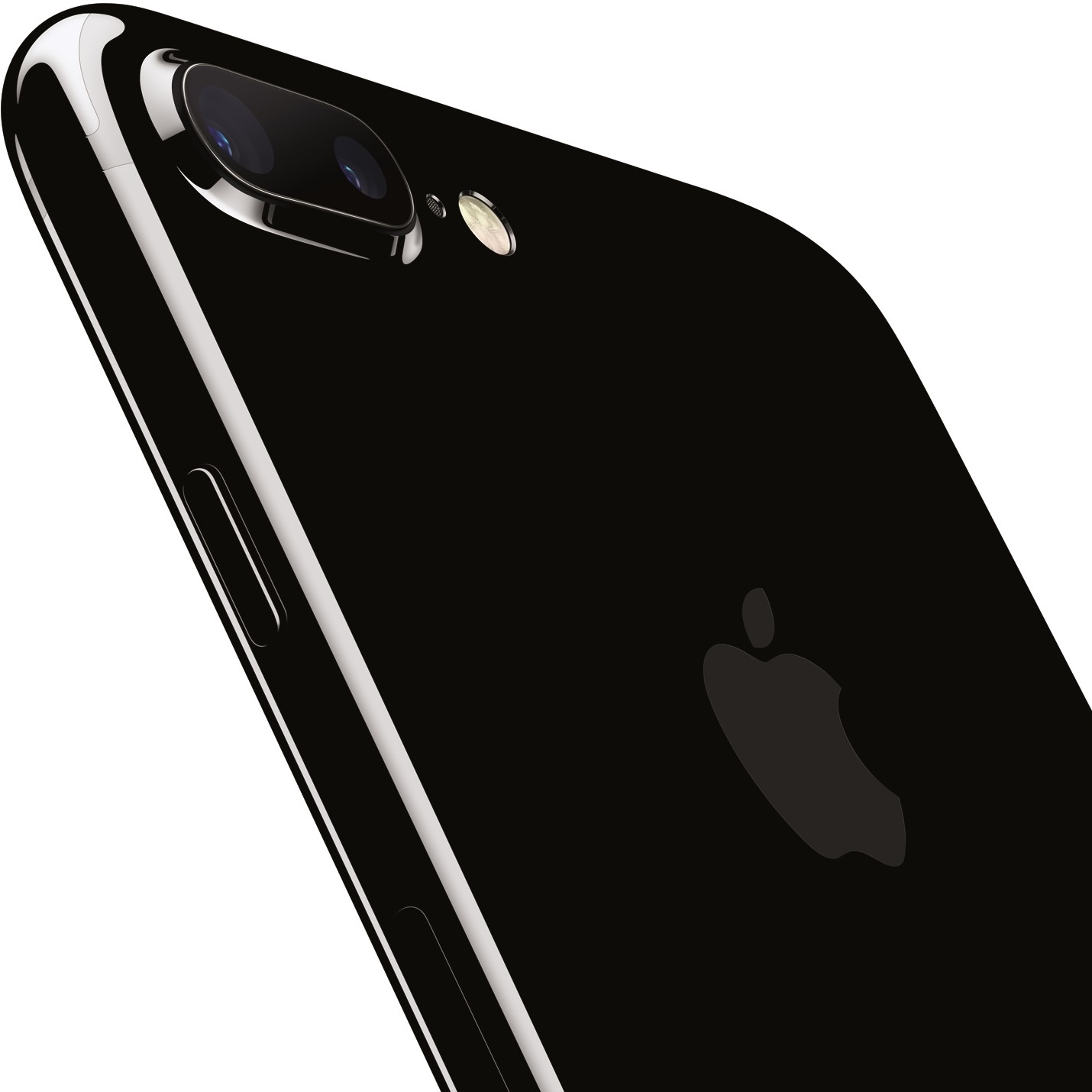
2016 was the first time that Apple saw a year-over-year decline in the China market. Even though the new black-colored iPhones caught the attention of consumers, overall, the new iPhone 7 did not create as much of a frenzy compared to the past. Despite the decline, IDC does not believe Chinese vendors have actually eaten away Apple’s market share. Most Apple users are expected to be holding out for the new iPhone that will be launched this year, and that will help the brand to see growth in 2017. Apple’s 10-year anniversary iPhone will also likely attract some of the high-end Android users in China to convert to an iPhone.
[nativounit]
Apple needs to take sales from local companies, particularly OPPO, Huawei and Vivo. That will be hard. In its most recently reported quarter, Apple’s Greater China sales dropped 12% from the same quarter the year before to $16.2 billion. Sales in the Americas, mostly the United States, were $32 billion, up 9% over the same period.
The China trouble may indeed be cured by the iPhone 8, which is the only catalyst that could drive Apple shares much higher. And many of the legion of people and organizations that watch Apple every minute say that the iPhone 8 will be a quantum leap over the iPhone 7. In the past, new versions of the iPhone have been considered modest upgrades to their predecessors. One of the most well-known Apple-centric websites, MacRumors, posted its rumors about the iPhone 8:
Rumors suggest it’s going to be a radical redesign, with an edge-to-edge display that does away with the top and bottom bezels where features like the Touch ID fingerprint sensor and the front-facing camera are housed. Instead, Touch ID and the camera may be built directly into the display, meaning there will be no Home button. Jony Ive has wanted to introduce an iPhone that looks like a single sheet of glass for several years, and glass is also necessary if Apple wants to introduce wireless charging.
Ive is Apple’s design chief and a long-time partner to founder Steve Jobs.
The last time there was wild excitement about an iPhone version is when Jobs launched the first one 10 years ago. It was a major relaunch of what was then a modest-sized consumer electronics company. If Cook can come close to that with the iPhone 8, Apple’s shares may well surge enough to reach a market cap of $1 trillion.
[wallst_email_signup]







 Top Gaining Stocks
 Top Losing Stocks