



Apple Inc. (NASDAQ: AAPL | AAPL Price Prediction) has announced its earnings, and for the first time in years, iPhone sales were less than half of total revenue. The company has turned to services and wearables for revenue growth. What may push iPhone revenue back up is the iPhone 11, scheduled to be released, according to rumors, in September.
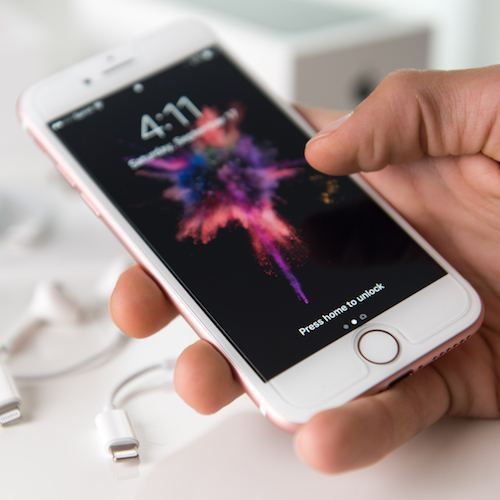
Among the criticisms of the iPhone X, the tenth and current generation of the iPhone, was simply that it was not much better than the iPhone 8, its immediate predecessor. Its camera, a critical feature of smartphones, did not advance much. People’s interest in faster and more powerful chips is muted by the fact that they are useful enough to run key functions and features. And some versions of the phone were priced above $1,000.
While Apple has a reputation for being inventive, there are numerous companies that could be considered more original or creative. These are the world’s 50 most innovative companies.
The first feature of the new phone expected to differentiate it substantially from the current generation is that some versions will have three rear-facing cameras. This makes resolution better, which in turn should improve picture quality. However, the upgrade may not be visible to the untrained eye. Tech Radar reports that the camera may be the only major upgrade to the new iPhone: “Aside from the camera bump, Apple isn’t expected to offer a massive design update with the new iPhone 11.”
Another expected feature is that the new iPhone will be able to wirelessly charge an Apple Watch and AirPods. Since these are regularly purchased with iPhones, the product upgrade has a natural audience.
Even if they are not major selling points, history shows that a faster processor and longer battery life are almost always features of a new generation of iPhone. Consumers may skip an upgrade to the new phone if they deem the features as less than critical for most daily use. While nice, such improvements pale in comparison to these technologies that will change the way we live.
[nativounit]
Apple may leave the most important upgrades to the iPhone 12, which could undermine sales of the iPhone 11. DigiTimes says of future iPhone upgrades, “Apple reportedly plans to launch three OLED-based new iPhone devices in 2020 available in 5.42-, 6.06- and 6.67-inch sizes, respectively, according to sources from Taiwan’s handset component supply chain.” The upgrade, whenever it is, will improve color on the screen, providing clearer images, and add to battery life.
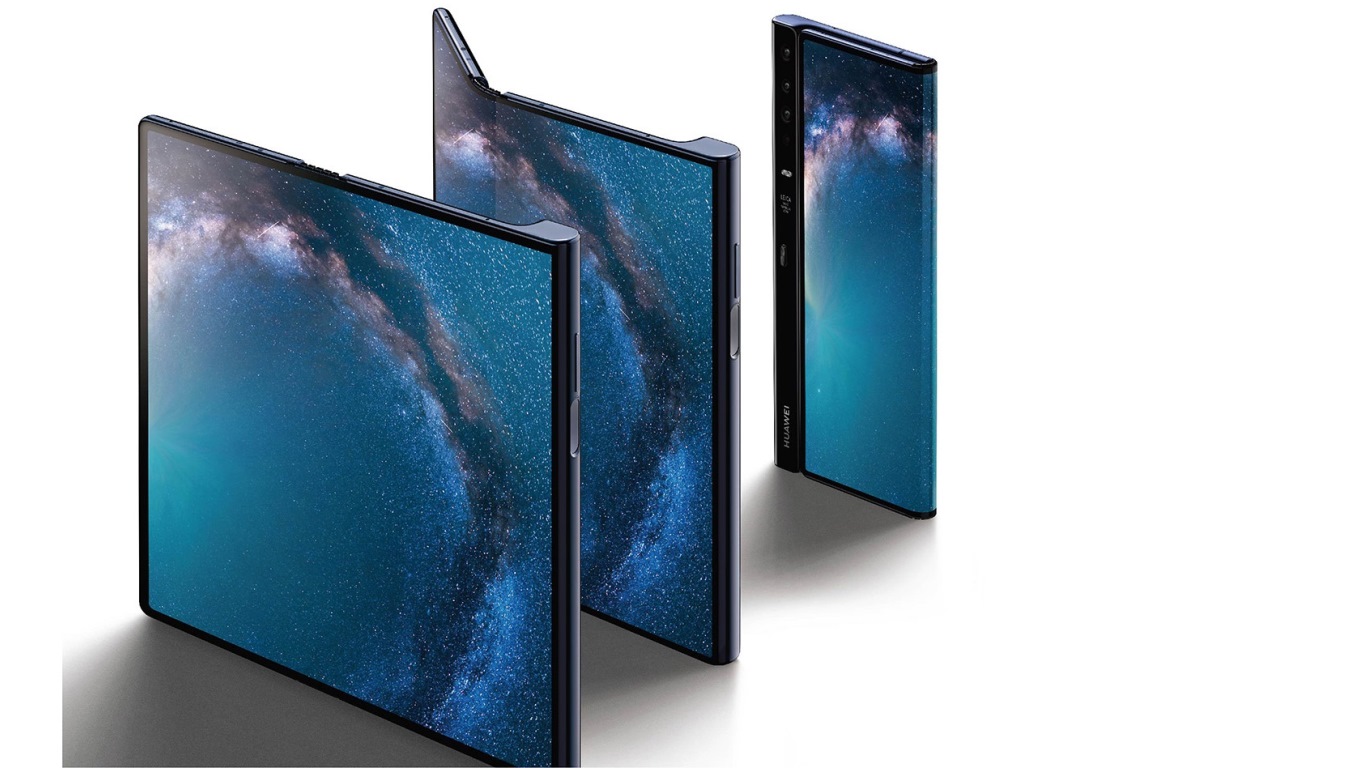
What won’t the iPhone 11 have that may be critical when measured against the competition? It will not have a foldable screen like the new Samsung Galaxy Fold, which should be released in a few weeks. The unfoldable feature allows owners to move to a larger screen size, which basically makes it a tablet. Samsung launched an early version that was so rounded criticized that it was pulled off the market.
The final potentially critical feature the iPhone 11 will lack is the ability to access new 5G networks. The U.S. wireless carriers already have started to deploy 5G networks in several major cities. How quickly these will be built out so they are accessible across large areas is still impossible for consumers to determine. The incredibly rapid speed of the new technology will make it essential that new smartphones can access the networks. Apple is gambling that wide adoption is well over a year away, and perhaps more. Thus, the iPhone 11 cannot tap into these networks.
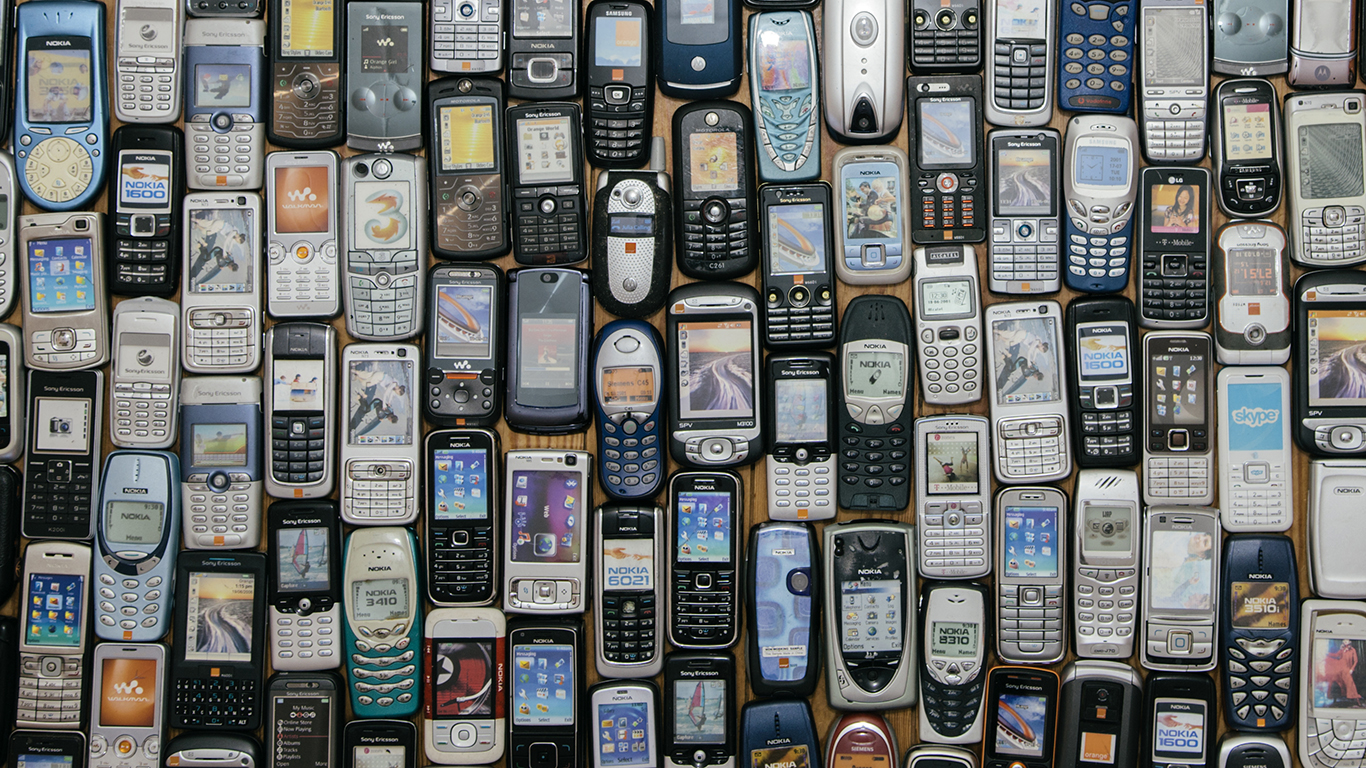
In short, the iPhone 11 may not have features that make it substantially different from the current generation. That means Apple will need to continue to depend on services and wearables for its growth. Technology evolves so quickly that it’s easy to forget how it changed the world. Many, seemingly recent phones were discontinued because mobile technology outpaced them — here are the cellphones and smartphones that no longer exist.
[recirclink id=559997]
[wallst_email_signup]







 Top Gaining Stocks
 Top Losing Stocks