


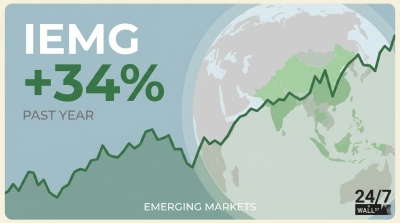
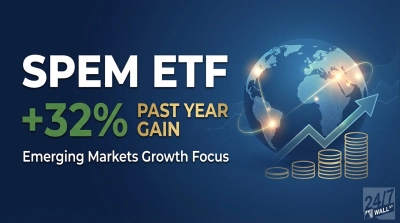
The $650 billion Abu Dhabi Investment Authority is planning to move more if its investment capital into emerging markets. Its management believes that countries like India and China have more growth potential than the US or Europe. And, that movement could be helping drive down the dollar. It could also contribute to a future drop.
According to Reuters "the world’s largest sovereign wealth fund has traditionally invested in U.S. Treasuries and other fixed-income assets."
The Qatar Investment Authority, which controls $60 billion, is also said to be cutting it investment in the dollar and US treasuries.
What this means is the the US consumer is becoming the dollar’s worst enemy. American consumption of goods and services from China, India, and other parts of the developing world are firing the boilers of those economies, making them more attractive to investment capital. This, in turn, is pulling Middle Eastern money out of US treasuries and into these emerging nations.
But, as the price of US debt is pressured by a lack of overseas buyers, yields in treasuries move up, making them more attractive to US institutional money managers. That makes Wall St look treasuries as an alternative to stocks, pushing the demand for equities down.
So, do the investing habits of Middle Eastern funds hurt the US stock market? Probably so. But, the US consumer has walked too many miles carrying the economy on his back. Soon, imports driven by the American economy are likely to slow, and emerging markets will lose their largest driver.
Douglas A. McIntyre








 Top Gaining Stocks
 Top Losing Stocks