


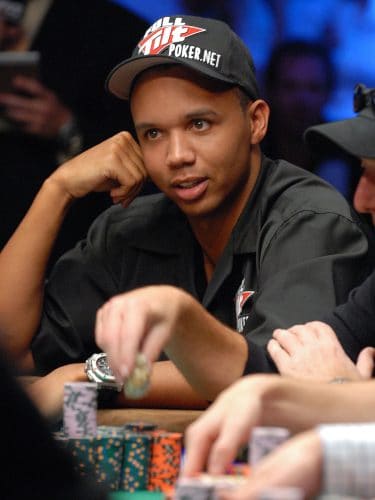
 Casino gambling is part of the American Dream. “The World Series of Poker” gets better ratings than the Super Bowl. But, even the gaming industry is in trouble. The people who have visions of making millions on one roll of the dice are out of work
Dow Jones reports that the overall take on the Las Vegas Strip was down 23% to $474 million in December.
The madness of gambling is based on the belief that either the player will win or somehow come up with the money if he loses. Since gamblers frequenting casinos rarely win, the real issue is their ability to pay off debt. Las Vegas has become like the rest of America. Visitors to the city were just late coming around to the realization that borrowing has gone out of vogue. If most large American banks were based in Las Vegas they would still be buying toxic paper and lending money for leveraged buyouts.
Legalized gambling was set up in cities like Las Vegas so that the depravity of betting on cards and dice could be contained in one or two cities. The plan was not unlike Prohibition would have been if the only places to drink were Akron and Erie. Confining gambling turned out to be difficult once it became a staple on Indian reservations and on flat bottom boats anchored just beyond the jurisdiction of the local authorities in many river towns.
It would be too easy to say that the Las Vegas culture slipped out of the city and ended up at the lower tip of Manhattan. But, gambling on Wall St. predates the day in 1946 when Bugsy Siegel opened the Flamingo Hotel.
One of the things that happens in an especially sharp and unexpected economic downturn is that the gambling instinct gets kicked out of everyone. That goes from the man at the Black Jack table who has been up 48 hours drinking Scotch and trying to win a few hundred dollars back, to the person who is too afraid to bet a portion of his income on buy a house because it may lose some of its value.
It is normal for a man who won’t buy a car because he is worried about his job is to stay out of casinos. But, when a man who stays up all night gambling won’t buy a car, the economy is in deep trouble.
Douglas A. McIntyre





 Top Gaining Stocks
 Top Losing Stocks