


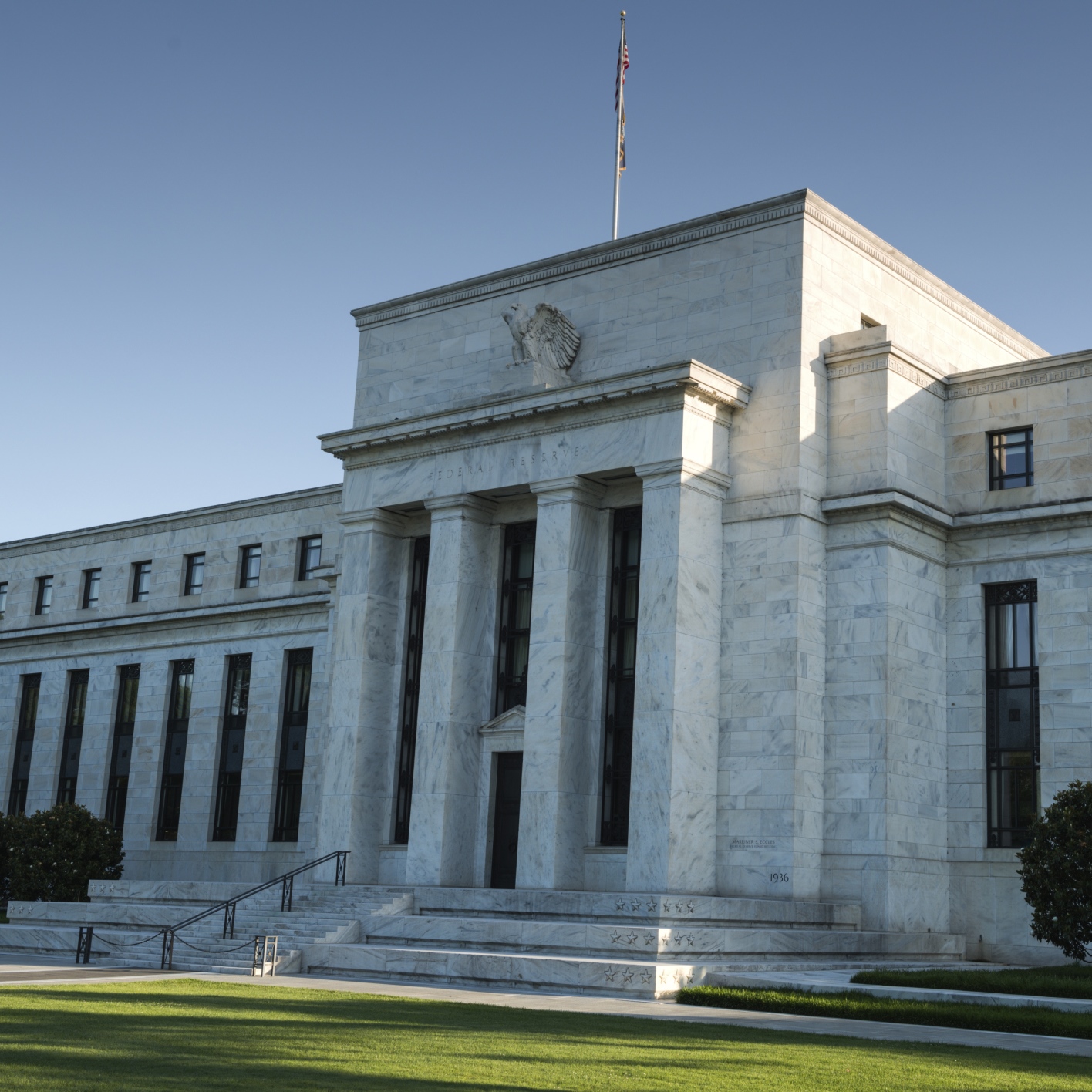
 The minutes of The Federal Reserve Board and the Federal Open Market Committee for November 3 and November 4 are a study in contradiction and perhaps even confusion.
Members of the committee almost all agreed that the economy is getting better. That is hard to find in the numbers. Consensus estimates for unemployment next year run between 9.3% and 9.7%, but at least one member believes the figure will be 10.2%. GDP is expected to rise 2.5% to 3.5% next year, but one outlier said the figure would be only 2%.
A 3% recovery in GDP is really not much of a recovery at all, particularly if 17% or 18% of all the people who could work in the US do not have work. A look at the federal budget and federal deficit for the next five years shows that GDP growth will have to be closer to 6% if there is any chance that the country can start to wash away the red ink.
The meeting also raised the problem of whether cheap money, money that can be borrowed for nearly no interest, will fuel an asset bubble. The same question is being asked in China, so the Fed’s concern is not novel. Some analysts would say that the run up in the stock and commodities markets are signs that bubbles are already forming in the US. The Fed could raise rates and kill the recovery. That means that whatever bubbles might form will form. It would not be the first time in history that investors took advantage of a generous government.
Buried deep within the Fed minutes was a comment that may sum up why the agency wants to keep rates low as an incentive for banks to lend and businesses to borrow. There is a reason to prime the pump of consumer demand to the extent that it is possible. Participants at the meeting expected that businesses would be able to meet any increases in demand in the near term by raising their employees’hours and boosting productivity.
Unemployment is not going to improve and it is likely to grow much worse than the Fed admits. The explanation is in their own comments. The Fed says that the recovery could be at risk because of credit access and unemployment. It has a role as cheerleader. It cannot be seen as being too pessimistic. But, the pessimism is there between the lines in the minutes from its most recent meeting, a signal that the brightening of the American economy could end soon.
Douglas A. McIntyre






 Top Gaining Stocks
 Top Losing Stocks