


 Workers at a manufacturing facility of China’s Foxconn “struck” the company twice over the weekend, or once, or not at all, depending on the source of the information. Most likely, two labor disruptions occurred. The media gave the action particular attention because Foxconn helps make the Apple Inc. (NASDAQ: AAPL) iPhone 5. Apple’s effort to speed manufacture of the smartphone may have contributed to the problem.
It is worth remembering that the Foxconn labor issues over the weekend are benign by the standards of many U.S. worker strikes against American manufacturers. Some of these actions have been recent and nonviolent. Caterpillar Inc. (NYSE: CAT) was struck by 780 machinists in a walkout that began in May. A six-year contract was not ratified until the International Association of Machinists voted in favor of new wages in August.
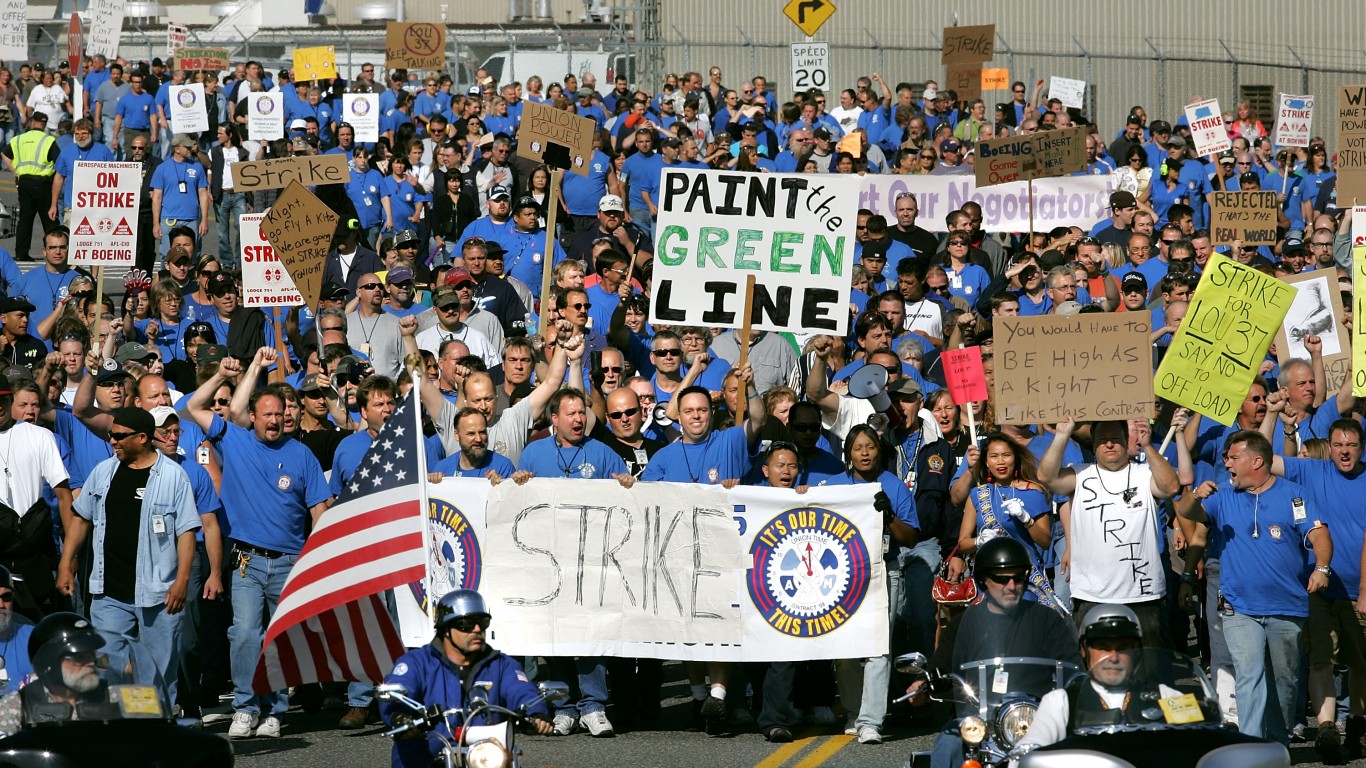
The Society of Professional Engineering Employees in Aerospace recently rejected a four-year deal with Boeing Co. (NYSE: BA) that involves 23,000 workers. The current contract expired over the weekend, and the group can strike the aerospace company as early as November 25. The same group was out on strike for 58 days in 2008, which slowed manufacture of the already delayed 787 Dreamliner and cost Boeing tens of millions of dollars or more.
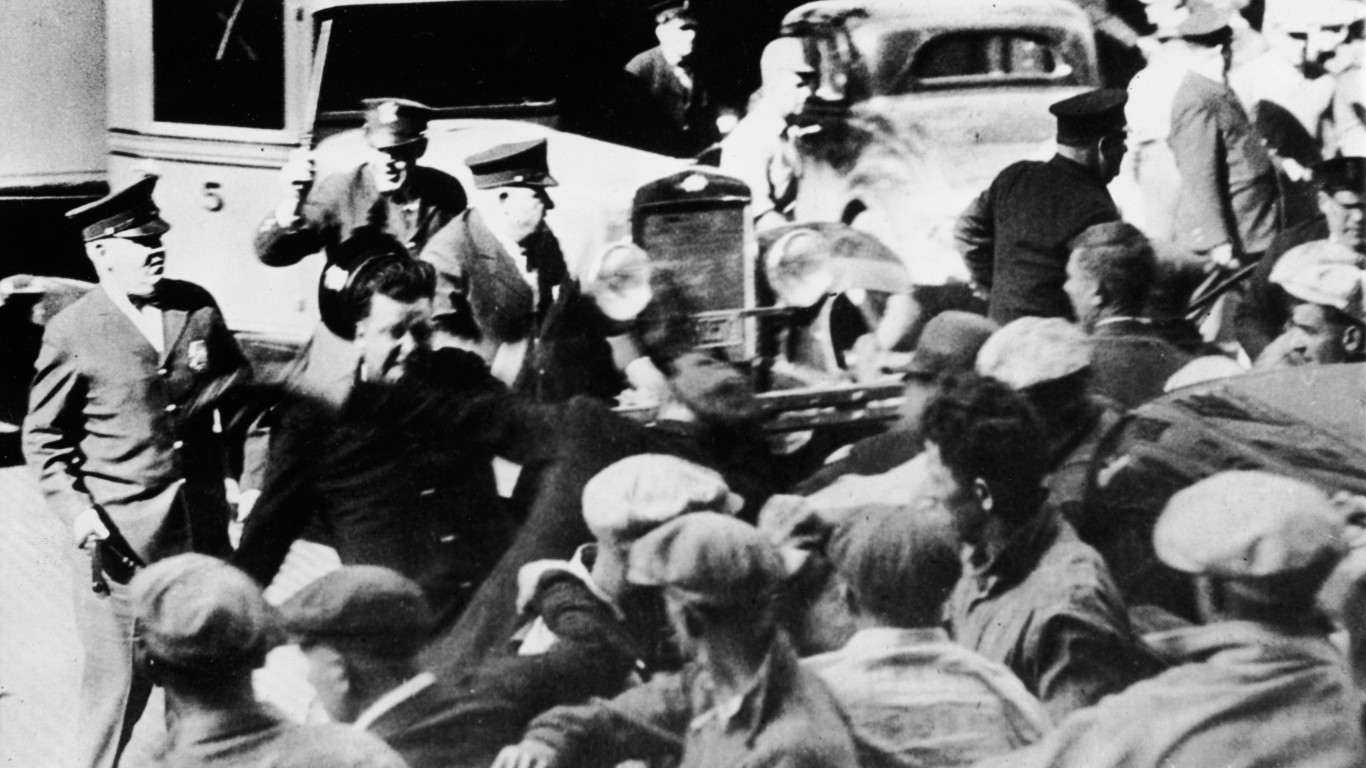
These two strikes against U.S. manufacturers and the one against Foxconn do not represent much disruption compared to the history of American labor disputes against management. China’s mistreatment of labor is based on what many in the U.S. see as a primitive habit of allowing or forcing poor work conditions. But U.S. unions can claim, rightly or wrongly, that in relatively recent history the mistreatment of their members has been worse than conditions at Foxconn.
Newspaper unions struck the nine New York City newspapers for 114 days in 1962 and 1963. There was another series of newspaper strikes across the United States in the 1980s. West Virgina miners went on strike in 1970 when a candidate to run the United Mine Workers was killed along with his wife and daughter. It was one of many United Mine Workers strikes over a number of decades.
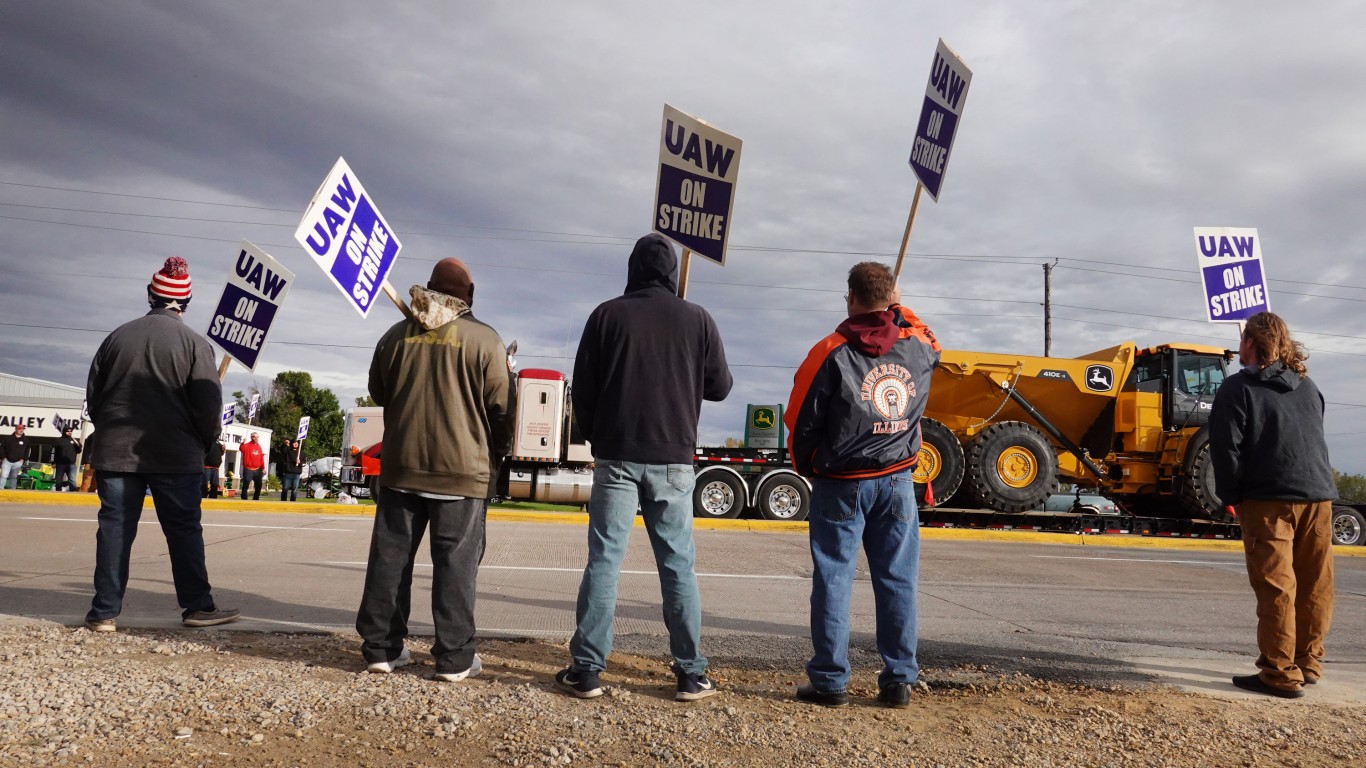
The union with the most memorable series of strikes is the United Auto Workers, which has repeatedly walked out on or threatened to walk out on the Big Three in actions that have been occasionally violent.
The Foxconn work disruption is barely a blip compared to countless strikes in the more “civilized” workplaces in the United States.
Douglas A. McIntyre






 Top Gaining Stocks
 Top Losing Stocks