


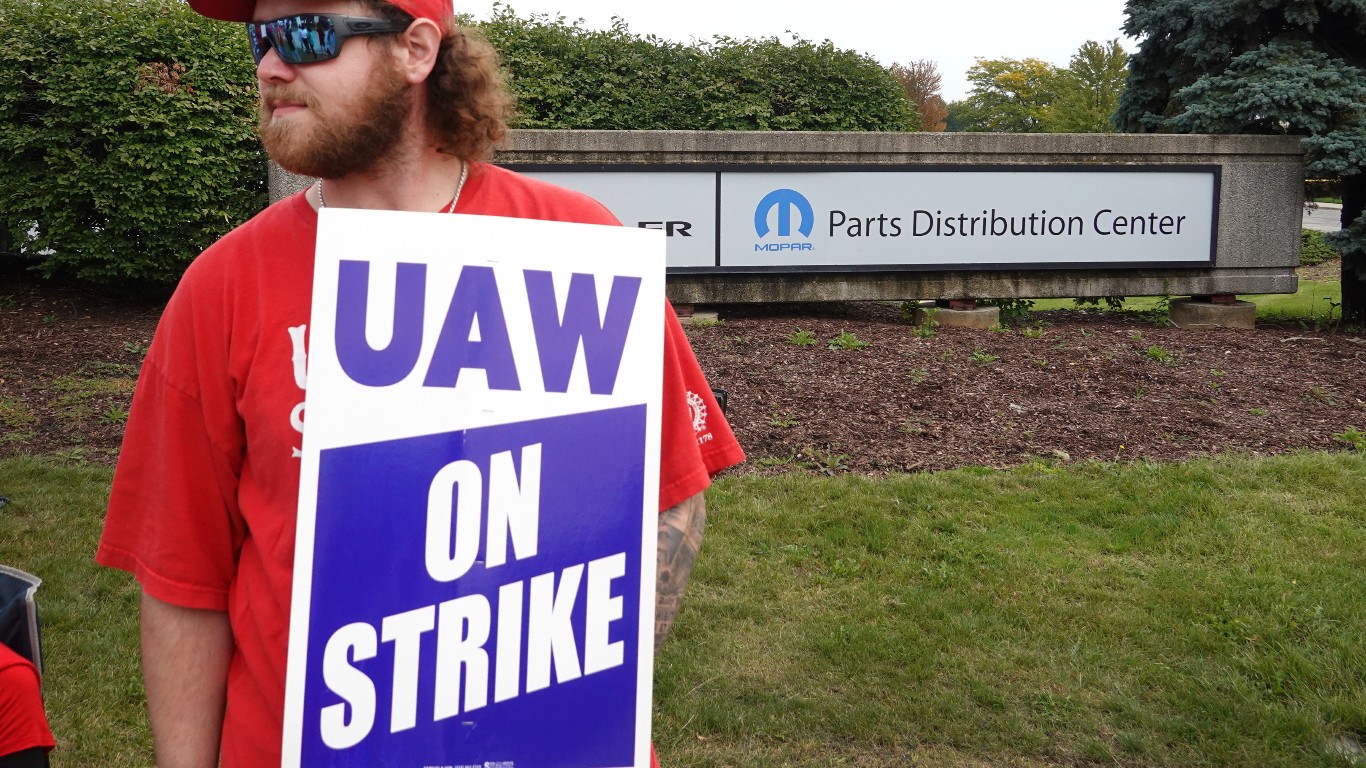
 Caterpillar (NYSE: CAT) faces a relatively small strike at its Joliet, Ill., plant. The members of the International Association of Machinists and Aerospace Workers will walk out when their six-year contract expires. The strike shows the extent to which successful manufacturers can be the targets of labor problems, which is less likely than actions against recently crippled manufacturers are. General Motors (NYSE: GM) and Chrysler set deals with their unions with the leverage each had because of Chapter 11. The UAW and other unions received a stake in the future prospects of the corporations. Caterpillar and companies like Boeing (NYSE: BA) were never forced to offer attractive deals in exchange for substantial concessions. Now, labor wants a portion of the long-term upside of the companies, which have been consistently successful. Their images of success have been enhanced by their growth over the past several years.
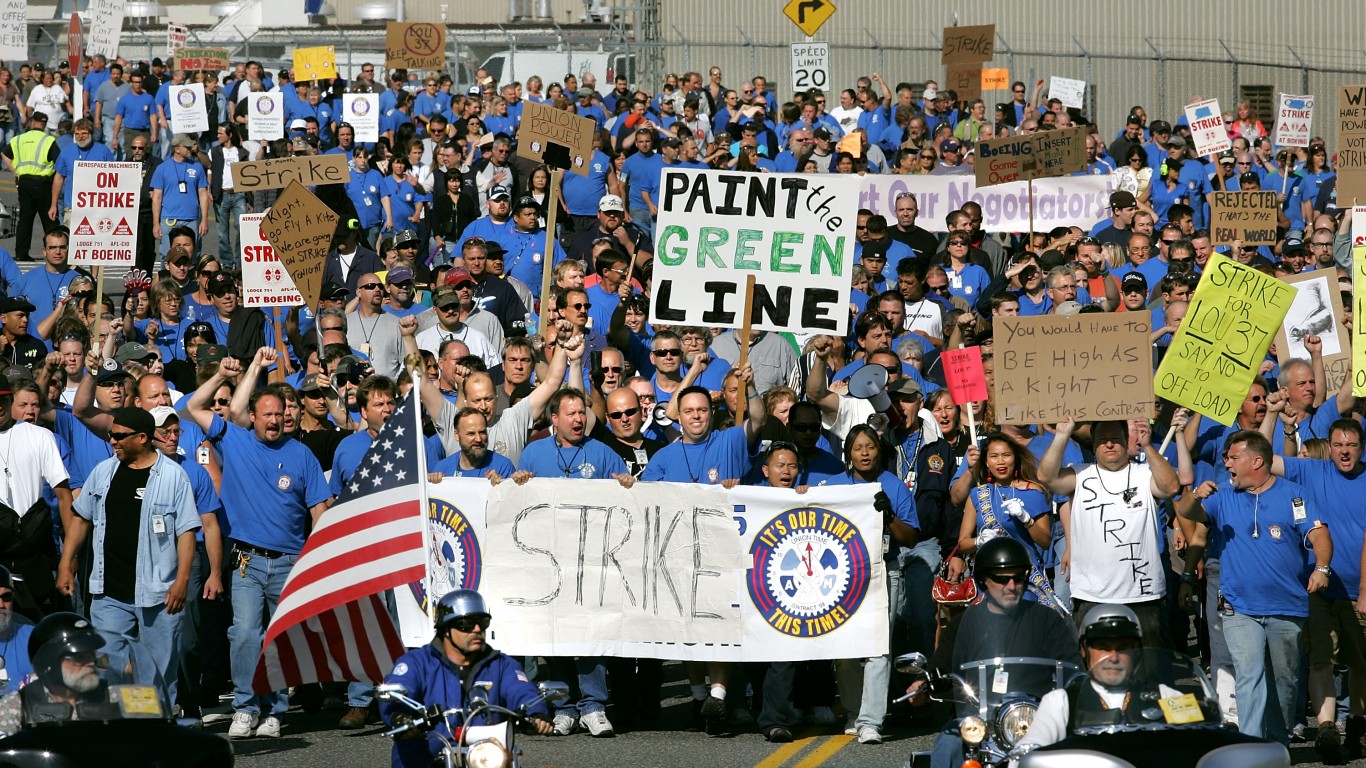
Boeing machinists walked off the job in 2008. Boeing’s C-17 plant in Los Angeles was shut in the summer of 2010 because workers were upset with the company’s benefits offer. There was more trouble with unions, which have members who work at Boeing, late last year. Machinists pressured Boeing then about the construction of a plant in South Carolina. The battle was great enough to involve the National Labor Relations Board. The UAW would never have had similar leverage at the Big Three over the past four years. And the future power of that union has been undermined at the car companies, with the agreement of the unions oddly enough, in exchange for a part of the financial turnaround of Detroit.
UAW workers at GM used to get among the best benefits given by any U.S. company. Hourly wages were high enough that, combined with these benefits, GM lost its margin advantage over Japanese rivals. The years and years of extraordinary compensation are over. New blue-collar workers at GM get a fraction of what their predecessors did. But GM paid 47,500 blue-collar workers $7,000 each earlier this year because of the car company’s large profits.
Caterpillar workers can strike. They have pay and benefits to maintain. Caterpillar’s success allowed them to keep much of what they are fighting for now. GM workers could not do the same. All each of them gets is $7,000.
Douglas A. McIntyre






 Top Gaining Stocks
 Top Losing Stocks