Nemo and More Distortion of Economic Stats

Photo of Douglas A. McIntyre
By Douglas A. McIntyre Published
This post may contain links from our sponsors and affiliates, and Flywheel Publishing may receive compensation for actions taken through them.

One of the hangovers of Hurricane Sandy was the effect on late October economic activity. Everything from employment data to retail sales dipped, and sometimes collapsed, depending on an area’s proximity to the storm. Along with these numbers came forecasts of surges in gross domestic product in some localities as repair and construction of devastated areas began.

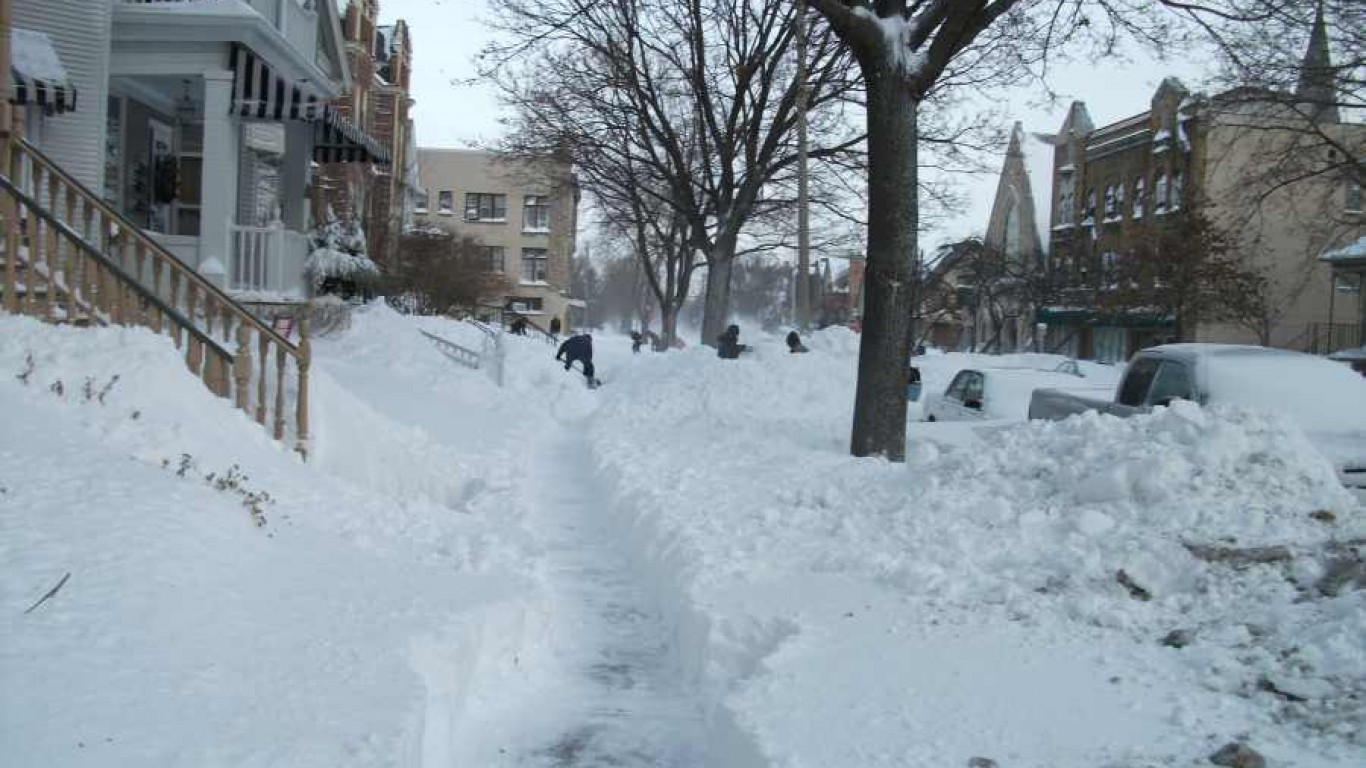
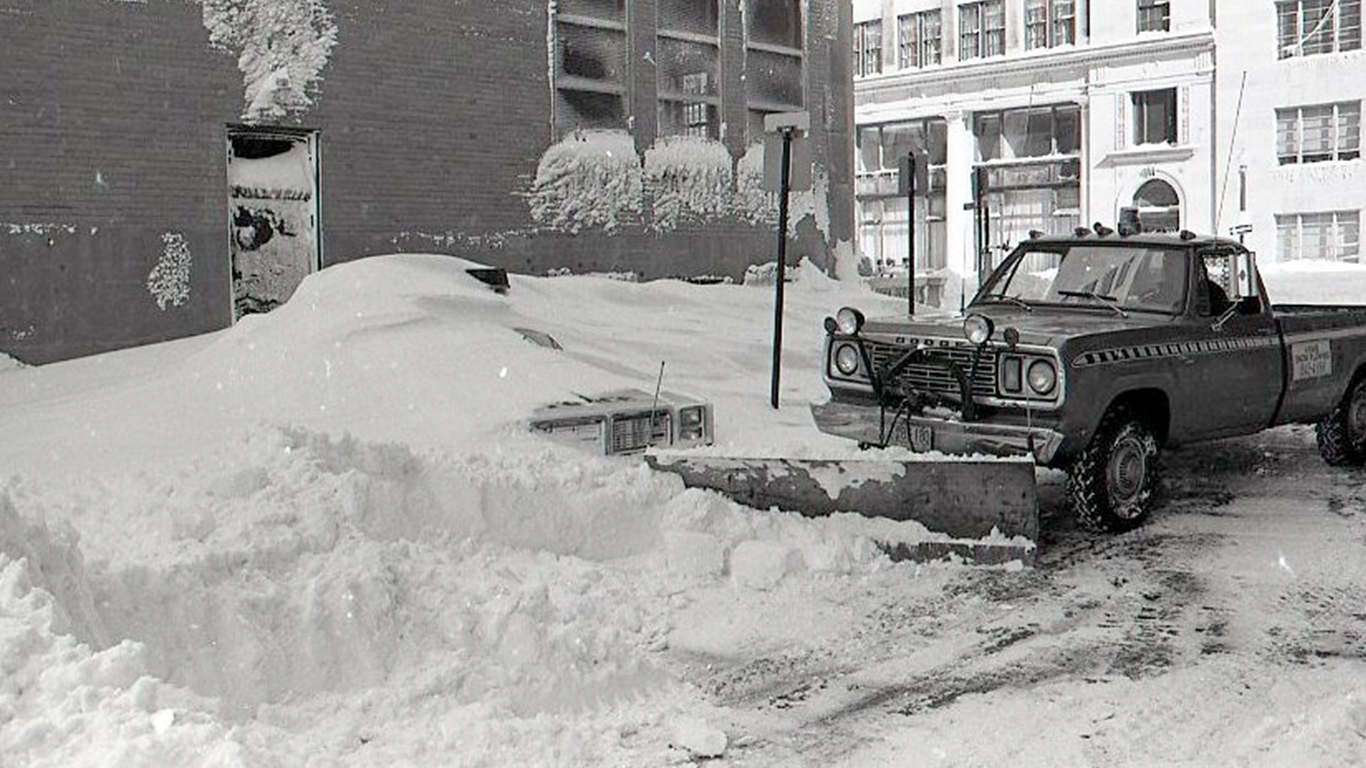
Nemo, a blizzard super-storm, as it has begun to be labeled, will shutter businesses from Michigan to New Jersey to New York City and most of New England. Snow blowers and food sales will get a lift ahead of the blizzard. Visits to stores, car dealers and restaurants will be delayed until later in February, and in some cases will be canceled completely.

The size of these new families of storms, brought on by global warming or random disturbances in the atmosphere, has made a shambles of the efforts economists make to carefully forecast GDP, joblessness and even imports and exports. A science that has never been more than an guessing game slips closer to chaos. Storms become a variable that can hardly be measured.

Now, the game of commentary on the effect of the storm on models of how the economy will do can begin in earnest. Experts will be dragged onto financial TV shows and interviewed by reporters. What will happen to February GDP and retail sales? And will there be a March rebound in economic activity. The answers are simple. February numbers will be hurt; March’s will be improved. So what will all of those experts be doing on TV? Stating the obvious, and no better.

There really are no activities like harsh weather to throw economists into confusion and anxiety, whether the trigger is drought or flooding, snow or wind. Someone profits from every disaster. This time, as experts sort out Nemo’s aftermath, it will be the economists.

Photo of Douglas A. McIntyre
About the Author Douglas A. McIntyre →

Douglas A. McIntyre is the co-founder, chief executive officer and editor in chief of 24/7 Wall St. and 24/7 Tempo. He has held these jobs since 2006.

McIntyre has written thousands of articles for 24/7 Wall St. He is an expert on corporate finance, the automotive industry, media companies and international finance. He has edited articles on national demographics, sports, personal income and travel.

His work has been quoted or mentioned in The New York Times, The Wall Street Journal, Los Angeles Times, The Washington Post, NBC News, Time, The New Yorker, HuffPost USA Today, Business Insider, Yahoo, AOL, MarketWatch, The Atlantic, Bloomberg, New York Post, Chicago Tribune, Forbes, The Guardian and many other major publications. McIntyre has been a guest on CNBC, the BBC and television and radio stations across the country.

A magna cum laude graduate of Harvard College, McIntyre also was president of The Harvard Advocate. Founded in 1866, the Advocate is the oldest college publication in the United States.

TheStreet.com, Comps.com and Edgar Online are some of the public companies for which McIntyre served on the board of directors. He was a Vicinity Corporation board member when the company was sold to Microsoft in 2002. He served on the audit committees of some of these companies.

McIntyre has been the CEO of FutureSource, a provider of trading terminals and news to commodities and futures traders. He was president of Switchboard, the online phone directory company. He served as chairman and CEO of On2 Technologies, the video compression company that provided video compression software for Adobe’s Flash. Google bought On2 in 2009.

Featured Reads

Our top personal finance-related articles today. Your wallet will thank you later.

Continue Reading

Top Gaining Stocks

CBOE Vol: 1,568,143
PSKY Vol: 12,285,993
STX Vol: 7,378,346
ORCL Vol: 26,317,675
DDOG Vol: 6,247,779

Top Losing Stocks

LKQ
LKQ Vol: 4,367,433
CLX Vol: 13,260,523
SYK Vol: 4,519,455
MHK Vol: 1,859,865
AMGN Vol: 3,818,618