


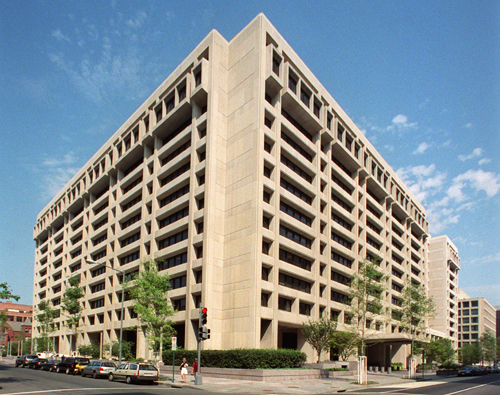
The Philippine GDP expansion has been impressive. Based on the most recent International Monetary Fund (IMF) assessment, GDP growth was 6.6% last year, a rate the agency ranks as better than most of the region. The IMF had forecast Philippine GDP expansion at 6% in 2013 and 5.5% in 2014. It is highly likely now that GDP will contract late this year and into next, and that contraction could be horrible.
The Philippines has struggled for years to improve a high unemployment rate, and more particularly an under-employment rate of 20%. In a country with 107 million residents, hundreds of thousands could be thrown out of work. At least short term, those numbers will soar, perhaps until workers are hired to repair the devastation. The national economy relies on several industries highly dependent on infrastructure that supports factory activity and transportation. These include petroleum and chemical refineries, as well as the assembly of wood products, clothing and electronics. Some 32% of workers are in agriculture, according to the CIA World Factbook, which will be devastated for years in areas most badly flooded.
One of the worst parts of the Philippine economy is its poverty rate, which the World Bank pegs at 27.9%. It is hard to imagine how that number will not get much worse, but it will. The number could rise by several percentage points as many people lose the ability to work entirely.
In its assessment of the Philippine economy earlier this year, the IMF reported:
The benefits of faster growth have yet to be disseminated to the broader population. Unemployment and poverty remain stubbornly elevated. The longstanding problems of poor infrastructure, limited competition, and governance issues have created a climate that is not conducive to investing in productive sectors or generating well paying jobs, inducing large overseas employment and, in turn, remittance inflows and real appreciation.
The World Bank added in March:
The country has weathered the impact of the financial crisis and global slowdown quite well in the last four years, given its strong macroeconomic fundamentals — the result of past and on-going reforms in the financial and public sectors. The country’s strong growth prospects, robust external accounts, and improving fiscal condition earned it its first ever investment grade credit rating in March 2013, followed by another upgrade in May 2013. With stronger economic reforms, the Philippines can see sustained growth of above 6 percent in the medium-term. Risks to growth will primarily come from a slower global recovery, domestic reform lags caused by increased resistance to reforms, and possible asset price bubbles in the real estate sector and the stock market.
The risk of the current devastation could not have been contemplated or imagined.
With GDP contraction, the chance of the spread of those benefits is gone, and with them any hope that problems that have plagued the economy for years will improve. Instead they will worsen for years.





 Top Gaining Stocks
 Top Losing Stocks