


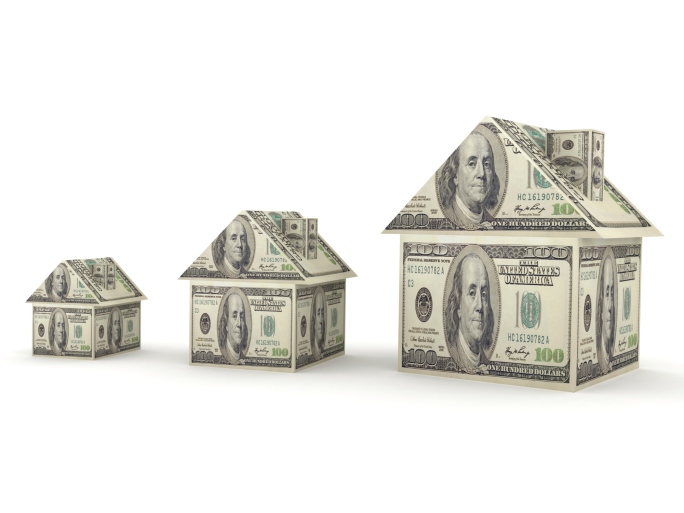
Using core PCE inflation as our guide, no city among the 20 cities tracked by the Case-Shiller index posted a home price index gain of less than 1.3%, and only one city posted a 2014 home price index gain of 1.3% — Chicago. In San Francisco, the home price index rose 9.3% year-over-year in December, and the index rose 8.4% in Miami and 8.1% in Denver.
The higher home prices are expected to lift the cost of shelter by 3% in 2015, but that uplift isn’t large enough to offset the expected low energy prices combined with the strength of the U.S. dollar. Energy and other costs, however, are expected either to stay low or slip even lower, and the part of those savings that aren’t paid to health care providers and insurers can be used to buy houses and other consumer goods.
What about wages? Wage increases have hovered around 2% since about 2010, as measured by the employment cost index, which rose 2.2% in 2014 and may rise by as much as 3% in 2015. That would boost inflation this year were it not for a lag of about 12 months in the impact of higher wages on inflation.
ALSO READ: December Home Prices Drop Most in Chicago and Cleveland
More than any other single thing, higher wages could induce the Federal Open Market Committee to raise its policy rate. When a rate increase comes around, mortgage interest rates will rise and increases to home prices should slow.
The other point to note is that even though house prices rose in 2014, the 4.6% increase is far smaller than the 11.3% gain the Case-Shiller national index posted in 2013.
As long as inflation is running below 2% on any measure you care to use, and as long as interest rates remain near zero, home price increases are virtually certain to continue outpacing inflation. Once interest rates are tightened the slowing pace of house price increases will slow even further but with a lag.









 Top Gaining Stocks
 Top Losing Stocks