


In comments in its Economic Survey of China the OECD said:
“Following one of the most tremendous economic expansions in world history, China’s gradual transition towards a ‘new normal’ of slower, more sustainable growth is to be welcomed” OECD Secretary-General Angel Gurría said. “China knows how to grow at a blistering pace. The challenge now is to ensure that future growth occurs on a more durable and inclusive footing.”
The ongoing transition of the Chinese economy is multifaceted — from rural to urban, investment to consumption and manufacturing to services — and will require unwavering commitment to structural reforms.
The OECD highlights a number of reforms to address the economic and social challenges faced by China. In the near term, China must maintain sufficient momentum to reduce economic imbalances while avoiding overly abrupt adjustments that might trigger a crisis. Looking ahead, the services sector will benefit from opening up to private investment and reducing the market share of state-owned enterprises in commercially-oriented activities. Greater innovation activity is also necessary to reduce the gap between China and the most knowledge-based economies, and will be a key element in Chinese efforts to move from middle-income to higher-income status.
ALSO READ: Overseas Companies With High Exposure in the U.S.
An assessment of the pollution problem, which is dangerous and growing throughout most of the country, would show that the great majority of China’s largest waterways and rivers are severely polluted, and that this pollution has moved into the groundwater under many of the nation’s agricultural regions. Air pollution in the largest cities has contributed to widespread health problems and may restrict both manufacturing and the growth of a car industry, which sells over 20 million cars and light trucks a year.
The Huffington Post recently reported:
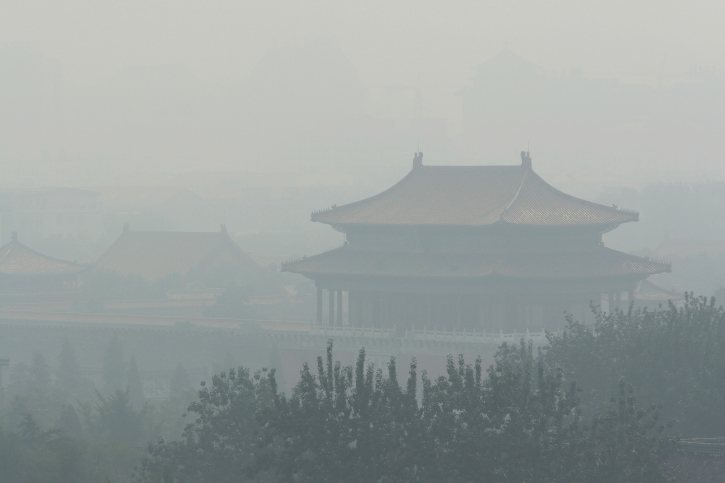
China incinerates nearly as much coal as the rest of the world combined, and fumes from low-quality gasoline contribute to air pollution that chokes the skies of northern China. Last year the mayor of Beijing described his own city as “unlivable” because of the pollution.
China’s two major state-owned oil companies — Sinopec and CNPC (also known as PetroChina) — came in for a scathing treatment in a viral pollution documentary released earlier this month. The film, “Under the Dome” — which was largely blocked from the Internet by government censors after one week — accuses the firms of stymying pollution controls and milking their duopoly position for corrupt profits.
That report is among scores of others that point out the same thing. China has to address its widespread pollution problem, and in doing so it must take a large chip out of its economic growth.





 Top Gaining Stocks
 Top Losing Stocks