


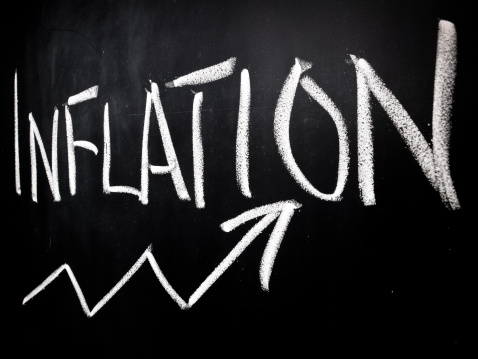
Things get a bit more interesting on a year-over-year basis. The core CPI gain was 1.7% annually, while the headline CPI was flat. All energy was listed as being down about 16%, but the gasoline prices at the pump were down 25%. Still, the jump from April to May was hard not to notice as the gasoline index increased sharply in May by 10.4%.
Additional data in the Bureau of Labor (BLS) report showed that the food index was unchanged in May, while four of the six major grocery store food group indexes fell in May: dairy fell 0.7%; the index for meats, poultry, fish and eggs fell by 0.5% (with the index for beef and veal falling 0.1%, its first decline since January 2014).
The BLS further showed the following:
- The index for all items less food and energy rose 1.7% over the past 12 months, versus a 1.8% gain for the 12 months ending April.
- The shelter index rose 2.9% over the past year.
- The medical care index rose 2.8%.
- The new vehicles index rose 0.8%.
- Indexes for airline fares, apparel and used cars and trucks have all declined over the past 12 months.
It is good to see a modest gain in inflation, but the end game here is that CPI is still well under that 2.0% to 2.5% target range that the Federal Reserve has in place. If the Fed wants to engineer inflation just like it engineered stability with the bond-buying program, maybe it should use some of its bond money to buy oil.











 Top Gaining Stocks
 Top Losing Stocks