



A number of economists expect that China’s GDP growth rate will allow its total GDP to pass that of the U.S. within a decade. U.S. nominal GDP was $17.4 trillion last year, according to The World Bank. China’s was $10.4 trillion. The organization reports that on a purchasing power parity measure, China has already move passed the Unite States.
Very few experts expect U.S. growth to move well above 3% this year or next. And, very few expect China’s to collapse. However, there are several things which could change the situation in China.
First among China’s problems are the cratering of its stock markets. This robs consumers of net worth. It makes it harder for companies to raise capital. It also harms the appeal of China to foreign investors.
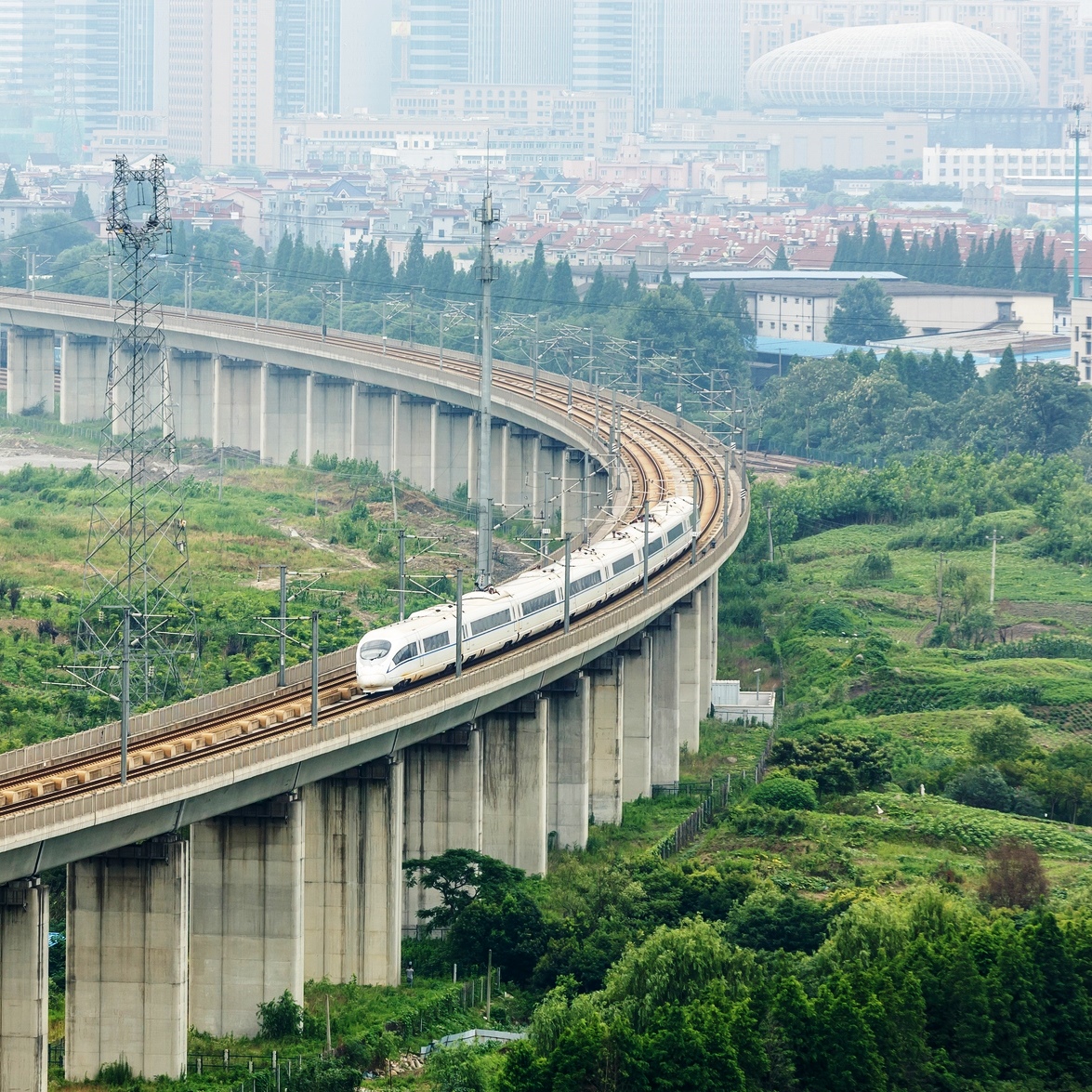
China’s economy remains manufacturing centered. It continues to the be the factory to the world, because of low labor costs and a developed factory and transportation infrastructure, built almost entirely with central government support. The most recent Caixan China PMI measured 48.2, a sign of significant contraction. A measure of 50 demarcated the line between growth and contraction.
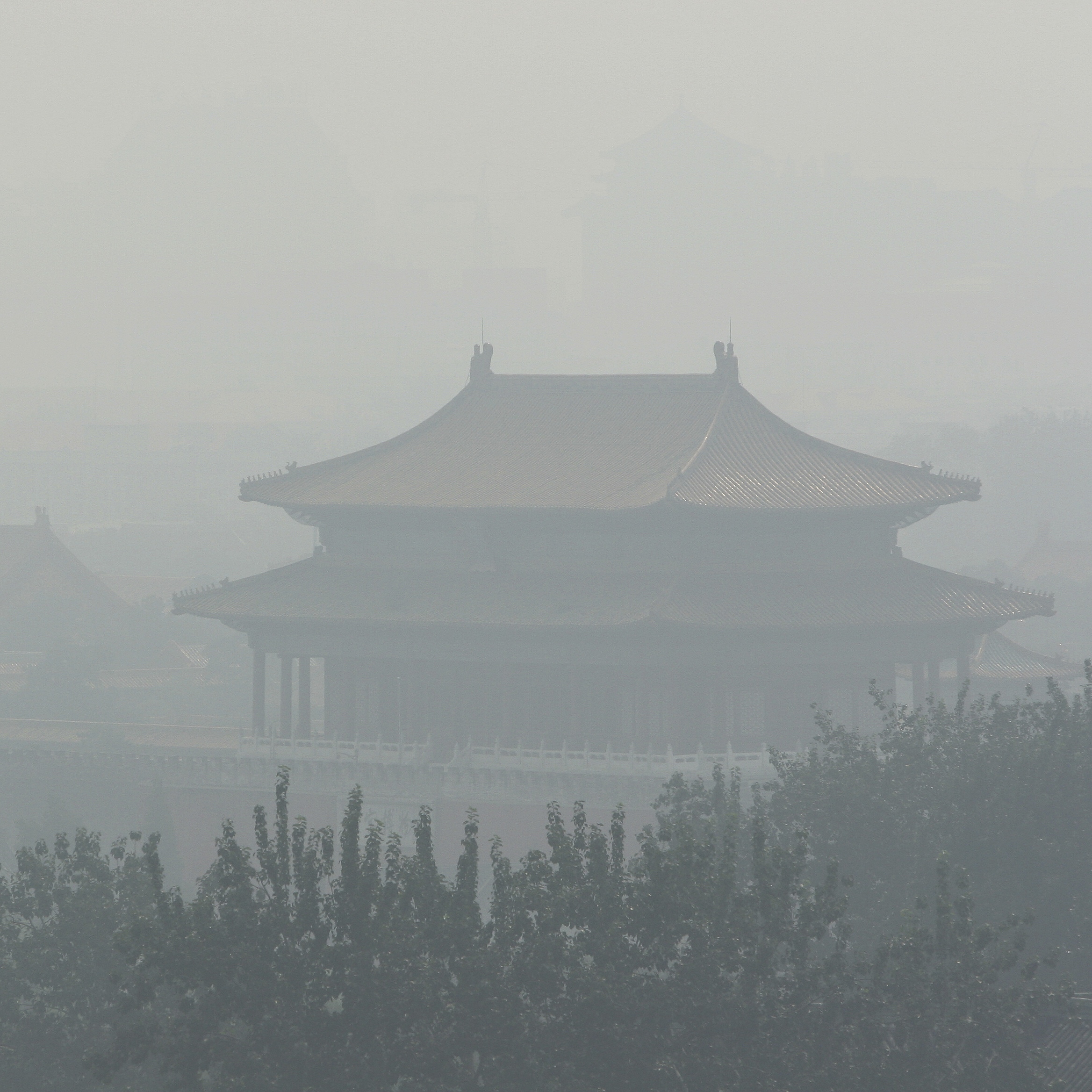
While the direct effects of pollution are hard to measure, certainly the productivity in large cities has been eroded by the need to keep factory production modest. The Shanghai Daily recently reported that 40% of China’s major rivers are seriously polluted. The water and air problems will certainly slow economic activity.
Even if China’s GDP growth and that of the U.S. may not converge entirely, they will almost certainly get closer together







 Top Gaining Stocks
 Top Losing Stocks