


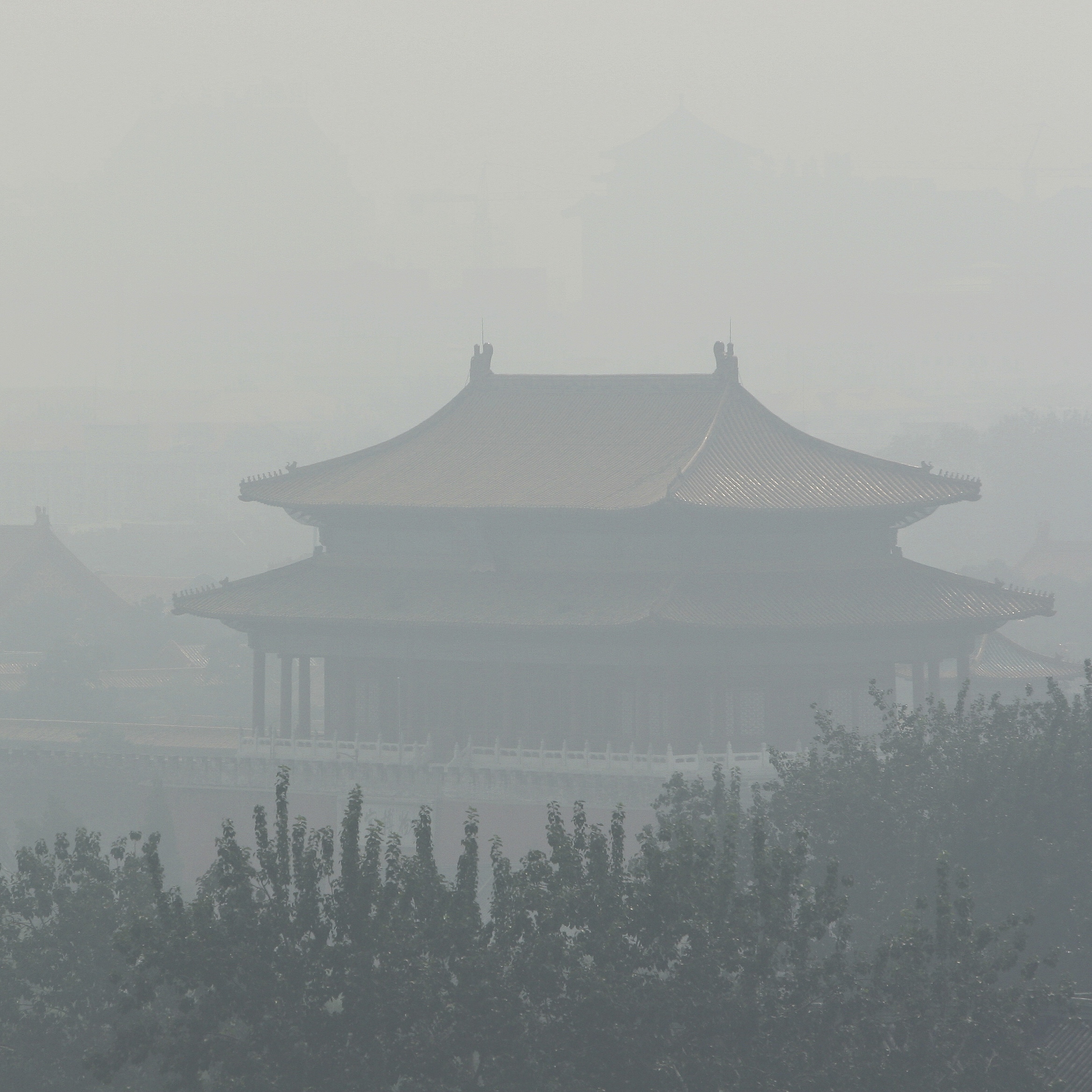
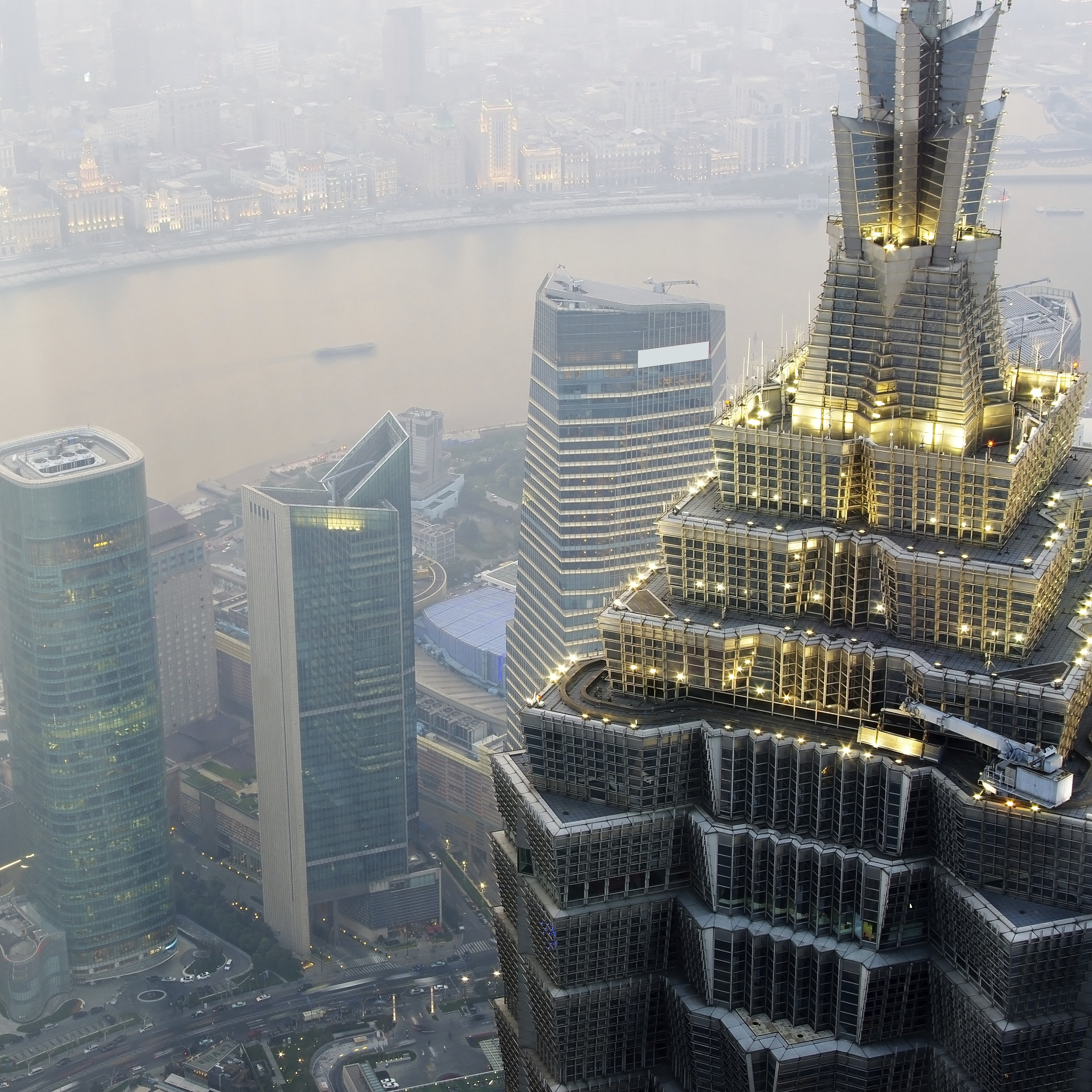
Two major announcements came out of China this week. The Purchasing Managers’ Index (PMI) data released by China’s National Bureau of Statistics was only 46.9 in October, which represents contraction and is a three-year low. Air pollution levels in Beijing were the highest level in a year. The two things are not directly related, but together are the largest challenge to China’s economy.
Simply, factory activity, homes that use coal and wood for heating, and car and truck emissions are the causes of China’s dangerous pollution levels. Factory activity in China may have to be curtailed to bring these levels down. While the current slowing in this factory activity is due to demand, it could be worsened by forced shutdowns, which ironically could compound slack demand effects.
China continues to gain on the United States as the global leader in gross domestic product. Many forecasters expect the People’s Republic to overtake America in the next two decades. Air pollution by itself could push the event out by several years, or longer. Factory activity is not the only sector that air pollution could hamper.
China is the world’s largest car and light truck market. The central government may have to limit car and light truck sales, which would undermine the revenue growth of one of the nation’s most important industries. In turn, a cut in the use of trucks would hurt the overall economy, as the ability to move goods is based to some extent on truck transportation.
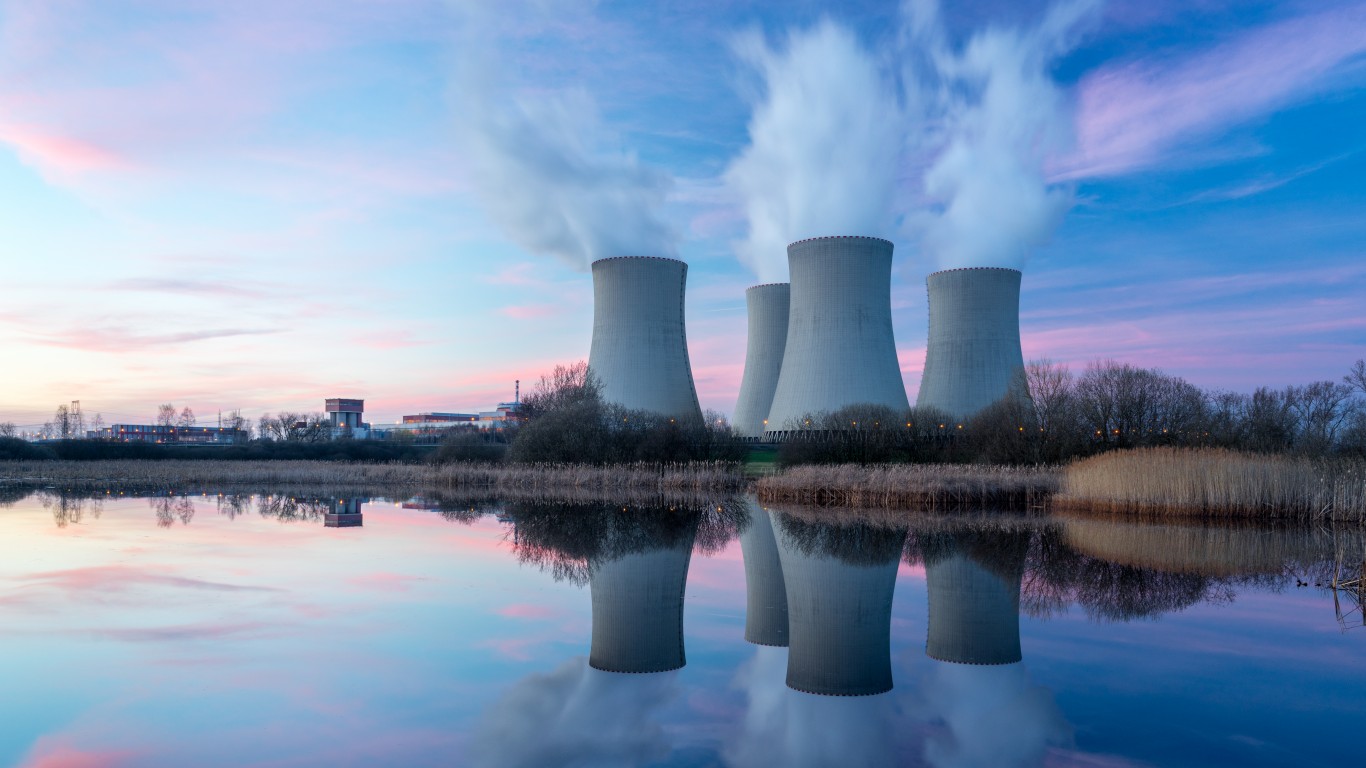
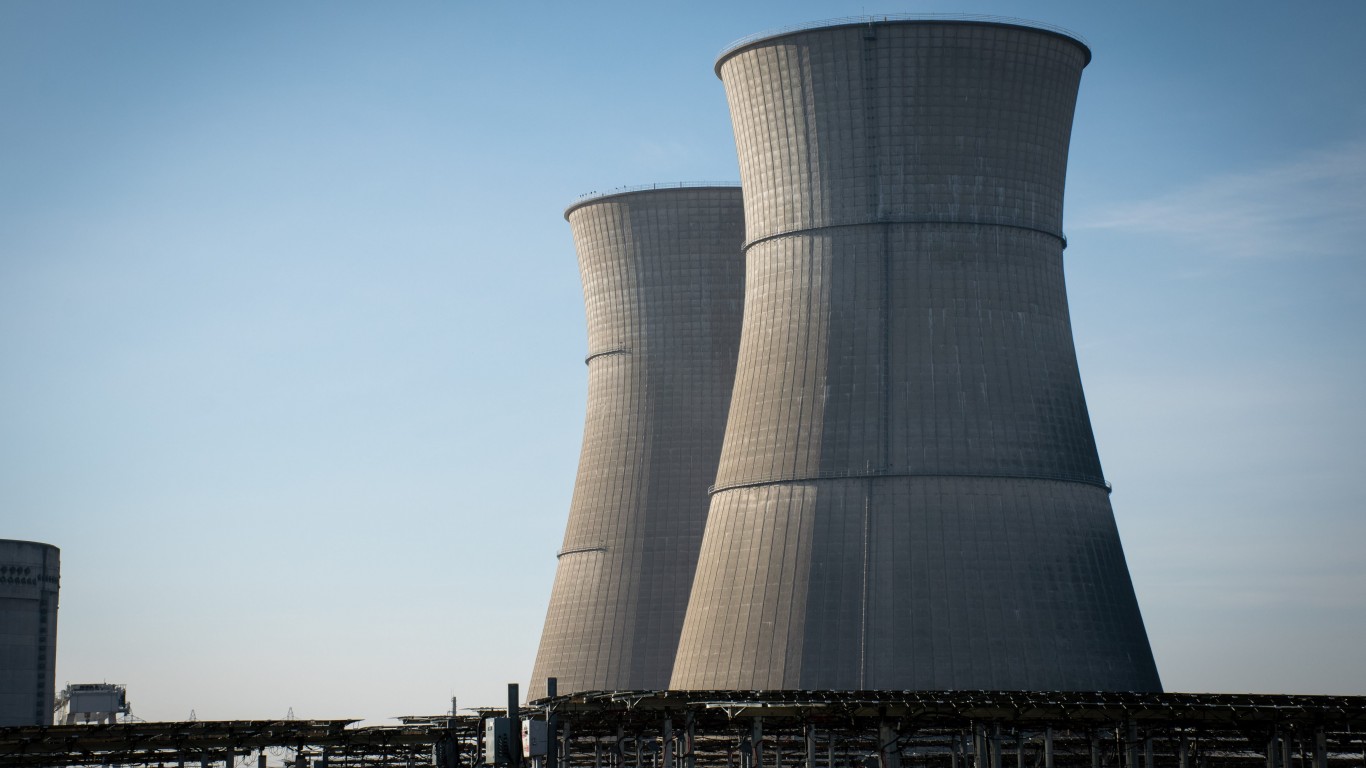
China has argued that it can cut pollution and keep its economy growing at close to 7%. This is based on converting energy production to fossil fuel alternatives, which include electric, wind and nuclear power. According to the World Nuclear Association:
Mainland China has 30 nuclear power reactors in operation, 21 under construction, and more about to start construction.
Additional reactors are planned, including some of the world’s most advanced, to give more than a three-fold increase in nuclear capacity to at least 58 GWe by 2020-21, then some 150 GWe by 2030, and much more by 2050.
The impetus for increasing nuclear power share in China is increasingly due to air pollution from coal-fired plants.
Even this level of activity cannot be helpful in the near term due to the time it takes to build reactors, and these new reactors may not be nearly enough to solve the air pollution problem.
China may be forced to choose between factories that operate near peak production, even if its PMI shows modest contraction, and solutions to quickly worsening air pollution.






 Top Gaining Stocks
 Top Losing Stocks