



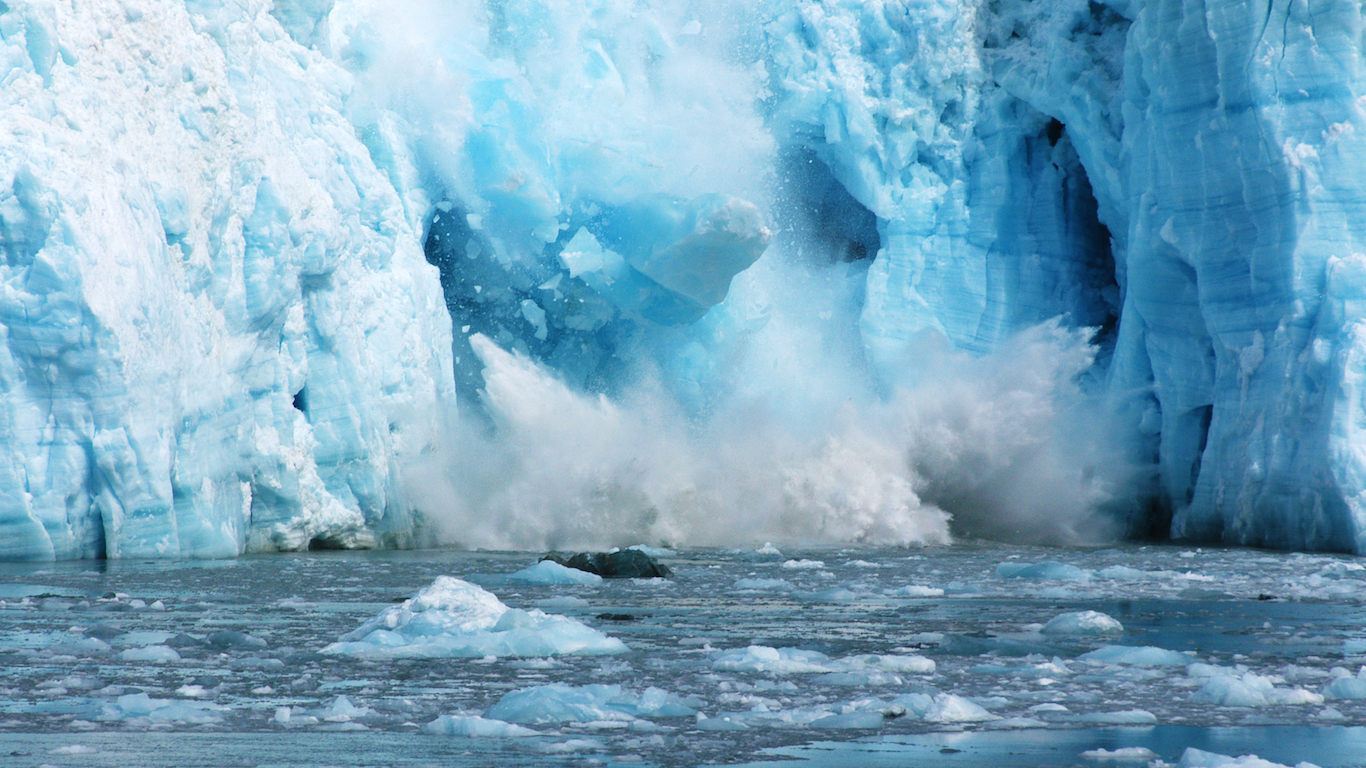
Seas around the world have risen an average of nearly 3 inches since 1992, with some locations rising more than 9 inches due to natural variation, according to the latest satellite measurements from NASA and its partners. An intensive research effort now underway, aided by NASA observations and analysis, points to an unavoidable rise of several feet in the future.
According to Steve Nerem of the University of Colorado, Boulder:
In 2013, the United Nations Intergovernmental Panel on Climate Change (IPCC) issued an assessment based on a consensus of international researchers that stated global sea levels would likely rise from 1 to 3 feet by the end of the century. New research available since this report suggests the higher end of that range is more likely, and the question remains how that range might shift upward
Among the most disturbing findings are the effects on the United States:
According to the 23-year record of satellite data from NASA and its partners, the sea level is rising a few millimeters a year — a fraction of an inch. If you live on the U.S. East Coast, though, your sea level is rising two or three times faster than average. If you live in Scandinavia, it’s falling. Residents of China’s Yellow River delta are swamped by sea level rise of more than nine inches (25 centimeters) a year.
These regional differences in sea level change will become even more apparent in the future, as ice sheets melt. For instance, when the Amundsen Sea sector of the West Antarctic Ice Sheet is totally gone, the average global sea level will rise four feet. But the East Coast of the United States will see an additional 14 to 15 inches above that average.
Experts have supposed for some time that these large cities will be in danger, and so far no city has done anything to protect property and lives. Witness Hurricane Sandy, and comments that something like it is no longer a “100-year” storm but rather one that could happen every few years.











 Top Gaining Stocks
 Top Losing Stocks