Will Environmental Problems Hurt China’s Economy?

Photo of Douglas A. McIntyre
By Douglas A. McIntyre Published
This post may contain links from our sponsors and affiliates, and Flywheel Publishing may receive compensation for actions taken through them.

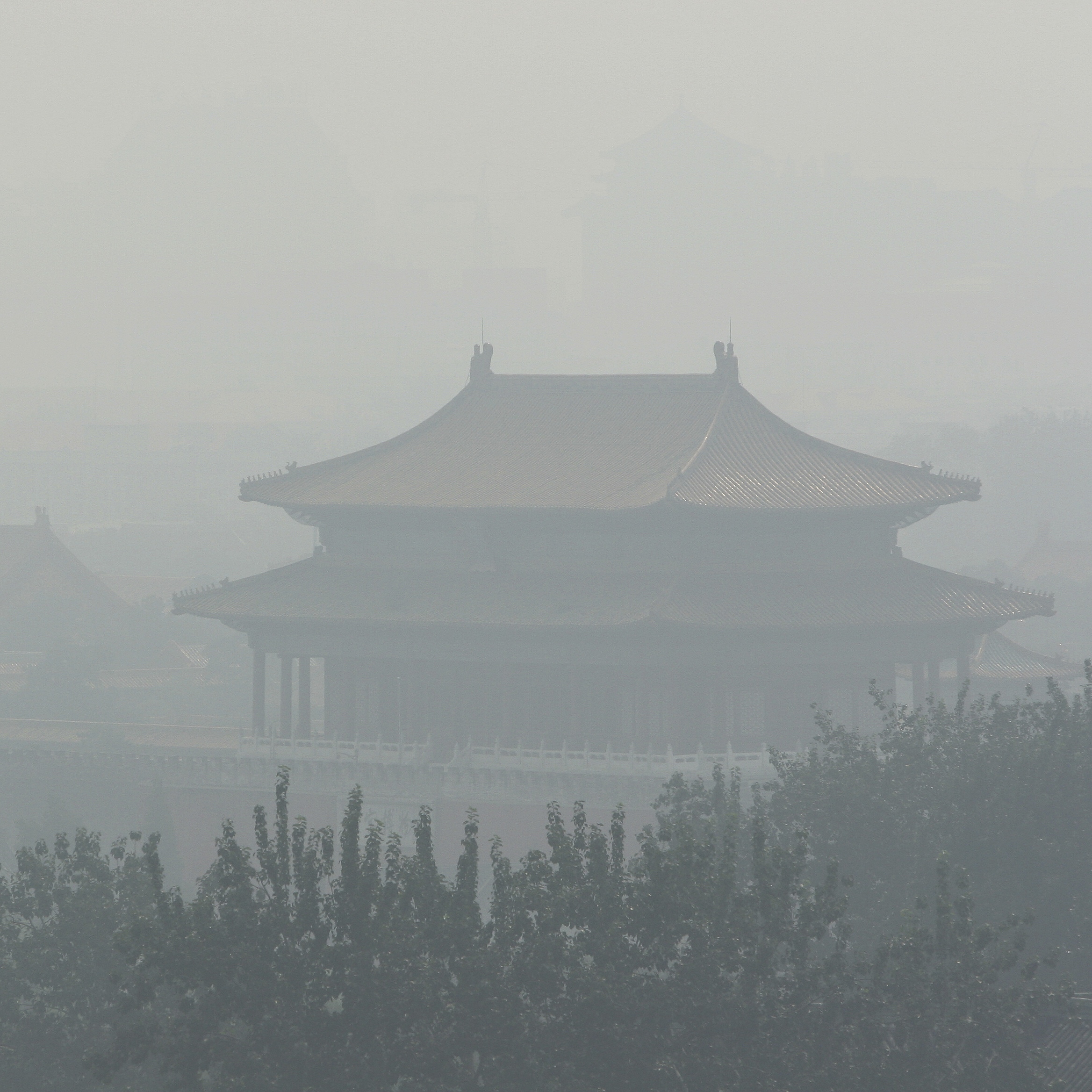
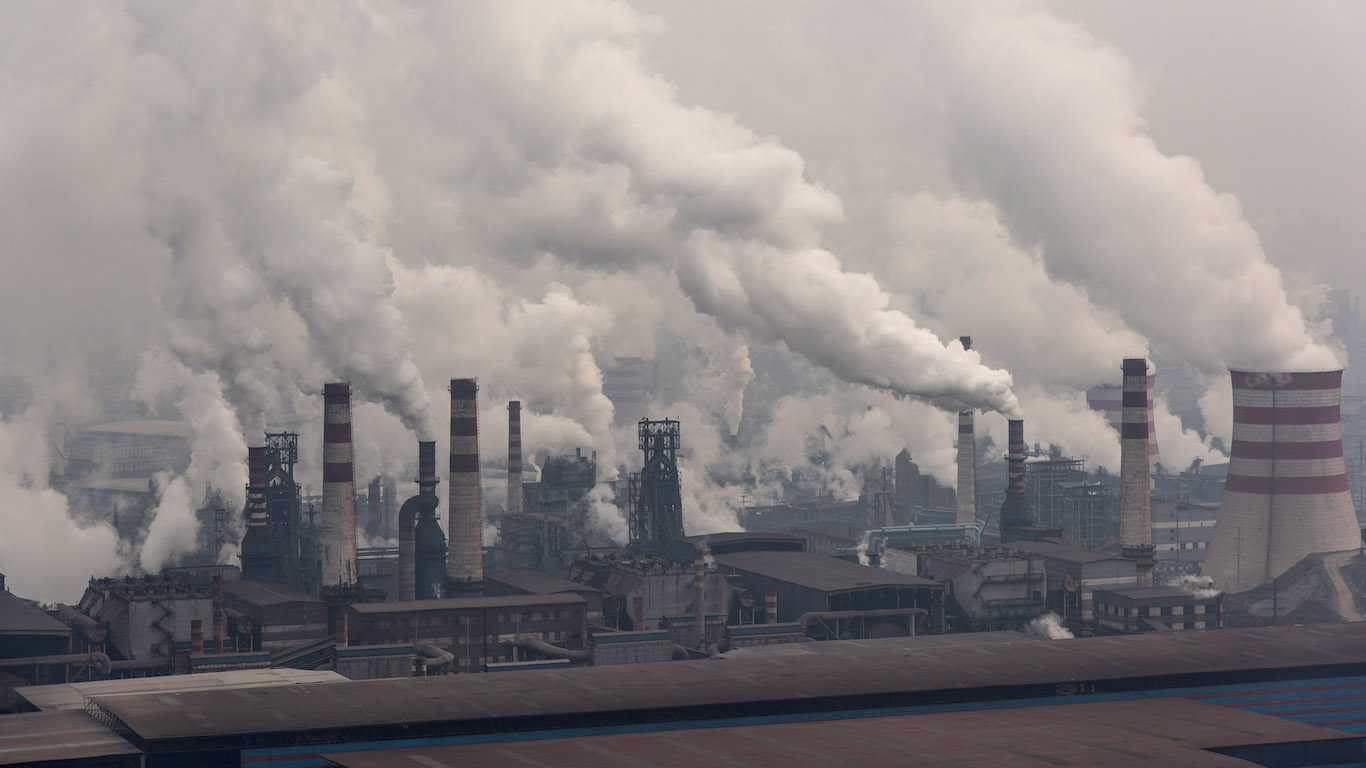
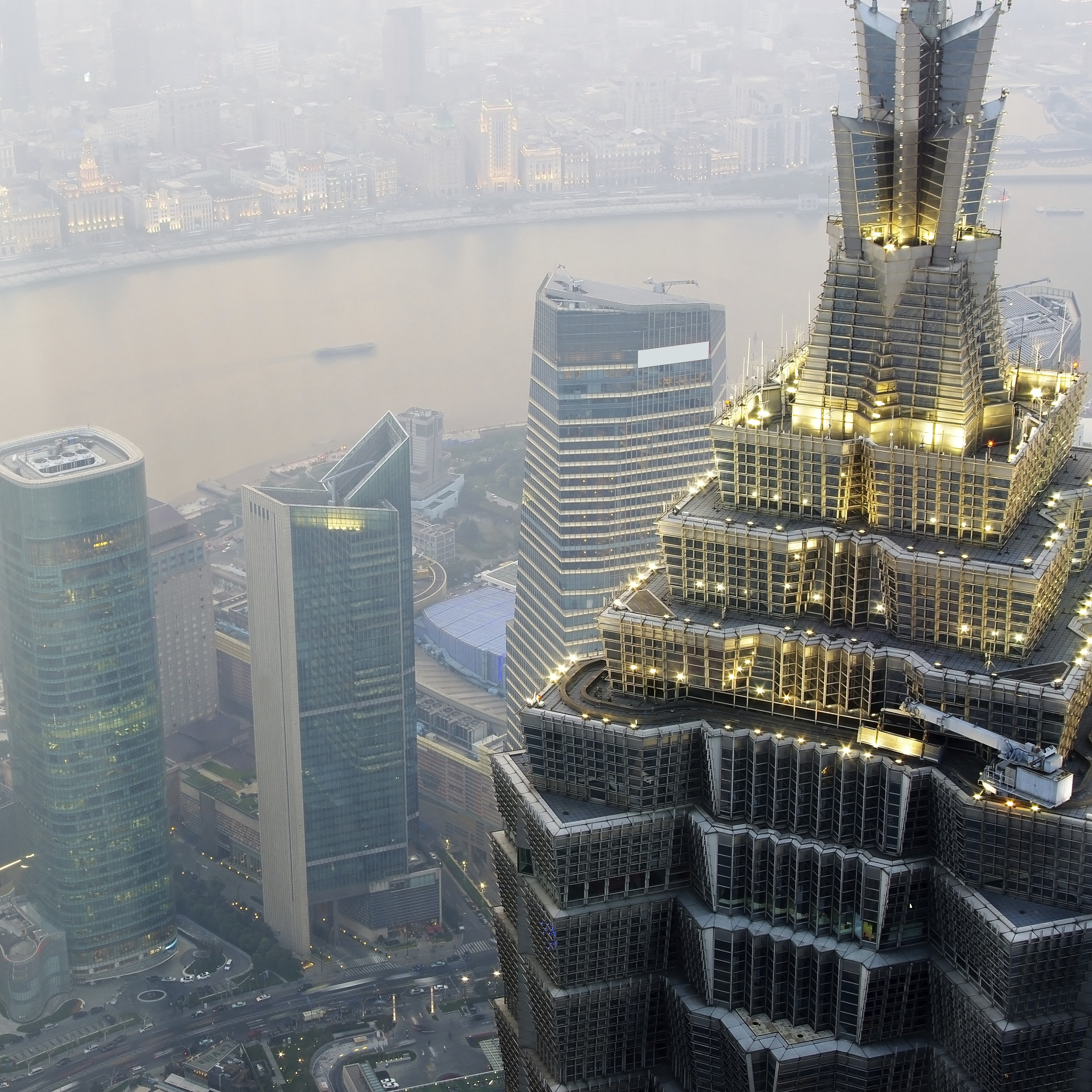
The pollution in Beijing has forced the government to strongly suggest people stay inside. Reuters reported that air quality was so bad “pollution (was) 30-45 times above recommended safety levels.” The problem likely will get better, temporarily, as weather conditions lower the numbers to figures that will still be too high by almost any standard. But the overall trend is bad. Pollution could be the Achilles’ heel of the Chinese economy, more than inflation or economic trouble in the world’s major countries are.

Because the causes of pollution, which include industrial waste and the use of coal in heating, are as much a problem in other large Chinese cities, the ability for people to go about their everyday lives is likely just as restricted as in Beijing.

China has 15 cities with populations in excess of five million. Many, like the largest metro area — Guangzhou — have been created by a buildup of industry. The likelihood in cities constructed, to some extent, around factories is that pollution in these regions is also very bad.

For Americans, it is hard to imagine what it means for people to restrict their movements around major cities. While air pollution levels in cities like Los Angeles and Pittsburg are too high by the measure scientists would like to see, the lives of the citizens in those cities go on without restriction. Pollution in parts of the United States, while concerning, will not hobble the American economy or cause restriction in factory activity or automobile transportation.

However, China’s factory activity could be cut back considerably in some of its cities. Industrial growth could become its own worst enemy, as far as daily access to workers is concerned. The manufacturing might of the People’s Republic will be undermined by one of its own byproducts.

Photo of Douglas A. McIntyre
About the Author Douglas A. McIntyre →

Douglas A. McIntyre is the co-founder, chief executive officer and editor in chief of 24/7 Wall St. and 24/7 Tempo. He has held these jobs since 2006.

McIntyre has written thousands of articles for 24/7 Wall St. He is an expert on corporate finance, the automotive industry, media companies and international finance. He has edited articles on national demographics, sports, personal income and travel.

His work has been quoted or mentioned in The New York Times, The Wall Street Journal, Los Angeles Times, The Washington Post, NBC News, Time, The New Yorker, HuffPost USA Today, Business Insider, Yahoo, AOL, MarketWatch, The Atlantic, Bloomberg, New York Post, Chicago Tribune, Forbes, The Guardian and many other major publications. McIntyre has been a guest on CNBC, the BBC and television and radio stations across the country.

A magna cum laude graduate of Harvard College, McIntyre also was president of The Harvard Advocate. Founded in 1866, the Advocate is the oldest college publication in the United States.

TheStreet.com, Comps.com and Edgar Online are some of the public companies for which McIntyre served on the board of directors. He was a Vicinity Corporation board member when the company was sold to Microsoft in 2002. He served on the audit committees of some of these companies.

McIntyre has been the CEO of FutureSource, a provider of trading terminals and news to commodities and futures traders. He was president of Switchboard, the online phone directory company. He served as chairman and CEO of On2 Technologies, the video compression company that provided video compression software for Adobe’s Flash. Google bought On2 in 2009.

Featured Reads

Our top personal finance-related articles today. Your wallet will thank you later.

Continue Reading

Top Gaining Stocks

CBOE Vol: 1,568,143
PSKY Vol: 12,285,993
STX Vol: 7,378,346
ORCL Vol: 26,317,675
DDOG Vol: 6,247,779

Top Losing Stocks

LKQ
LKQ Vol: 4,367,433
CLX Vol: 13,260,523
SYK Vol: 4,519,455
MHK Vol: 1,859,865
AMGN Vol: 3,818,618