


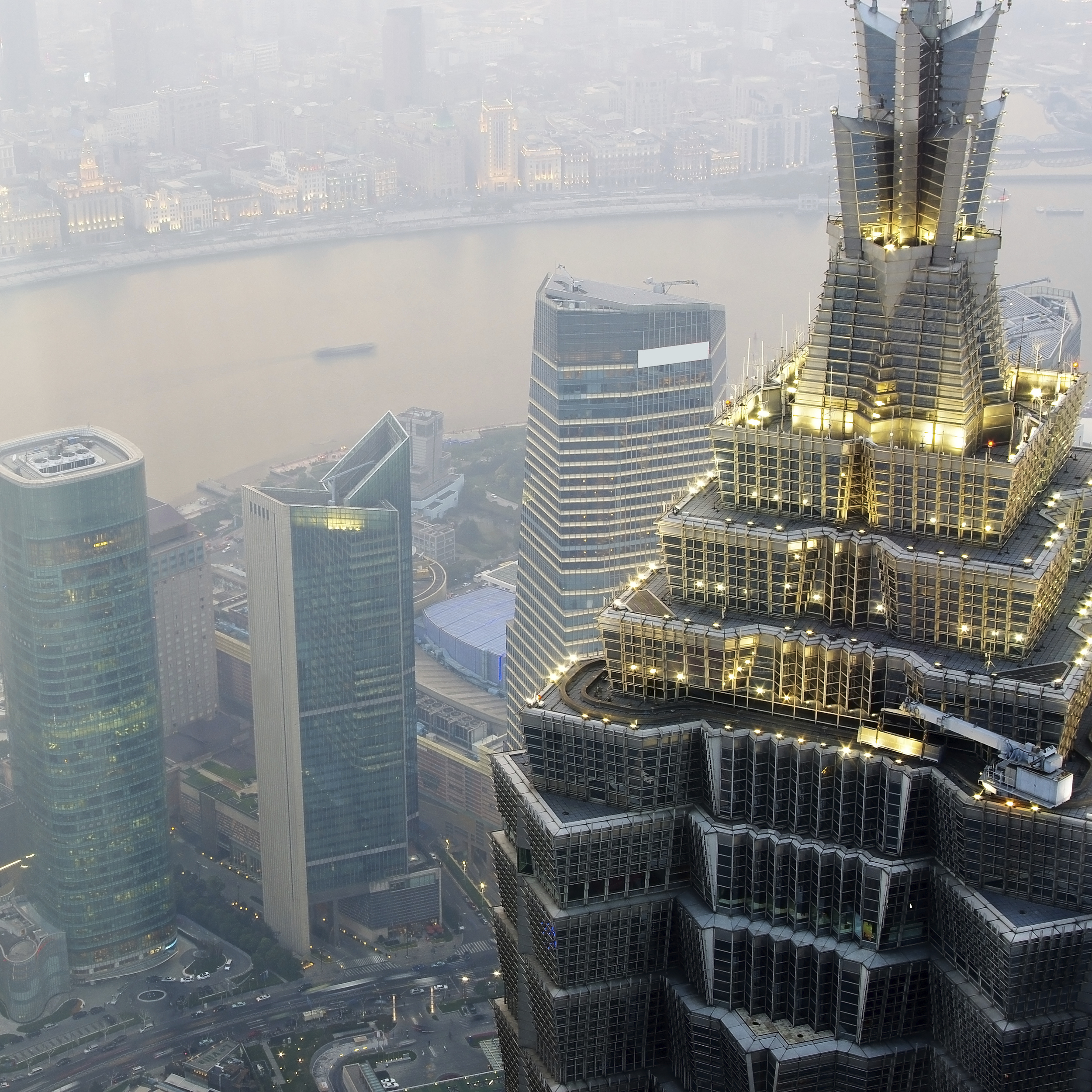
A new report from the U.S. consulate in China shows that air pollution at its Consulate Shenyang compound has risen to extremely high and life-threatening levels. The measurement begs the question whether China can continue factory production and auto and light truck sales at present levels.
According to reports from the compound:
The U.S. Consulate has an air quality monitor to measure PM 2.5 particulates as an indication of the air quality on the Consulate Shenyang compound. Pollutants such as particle pollution are linked to a number of significant health effects — and those effects are likely to be more severe for sensitive populations, including people with heart or lung disease, children, and older adults. This monitor is a resource for the health of the American community. Citywide analysis cannot be done, however, on data from a single machine.
Particulates less than 2.5 micrometers in diameter (PM 2.5) are referred to as “fine” particulates and are believed to pose the largest health risks. PM 2.5 is a standard recognized by the U.S. Environmental Protection Agency (EPA) and allows us to compare against U.S. standard measures. PM 2.5 particulates are of concern since they are small enough to directly enter the lungs and even the blood stream.
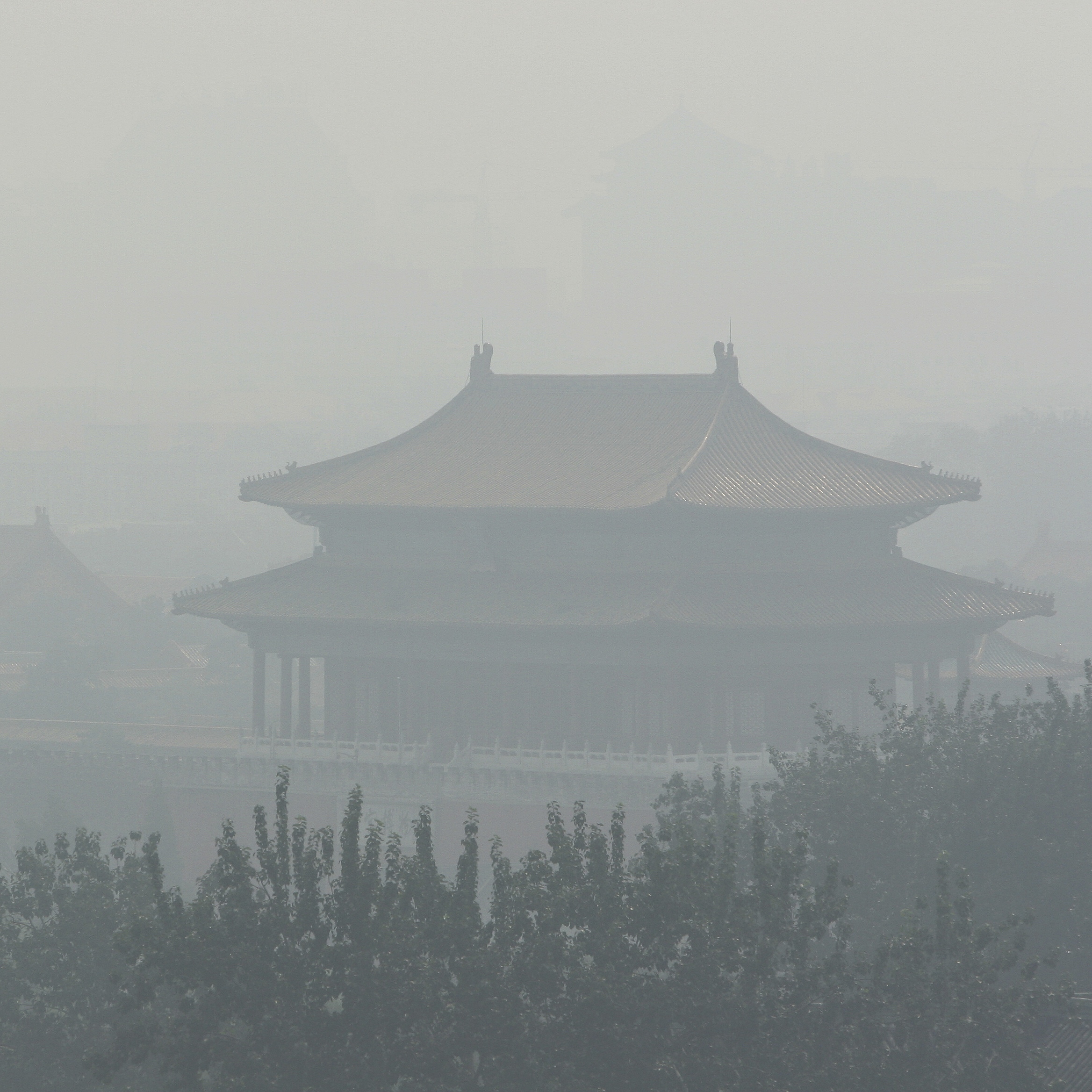
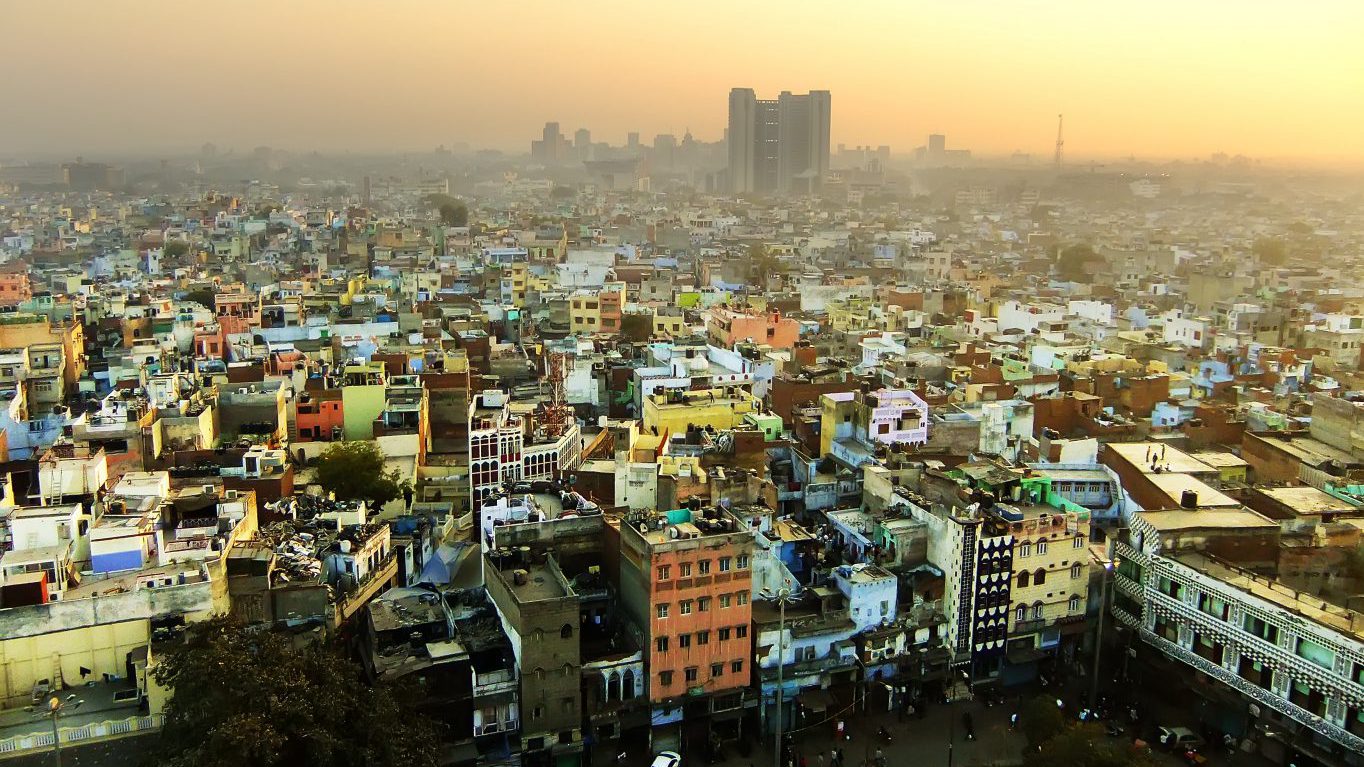
The problem is not confined to Shenyang as there are days during which large cities such as Shanghai and Beijing are engulfed in air pollution. Masses of people wear masks as an attempt to filter out the smog. A study by Berkeley Earth posted in 2013 estimated that air pollution killed 4,000 people per day in China. Burning of coal was the primary cause, according to the research.
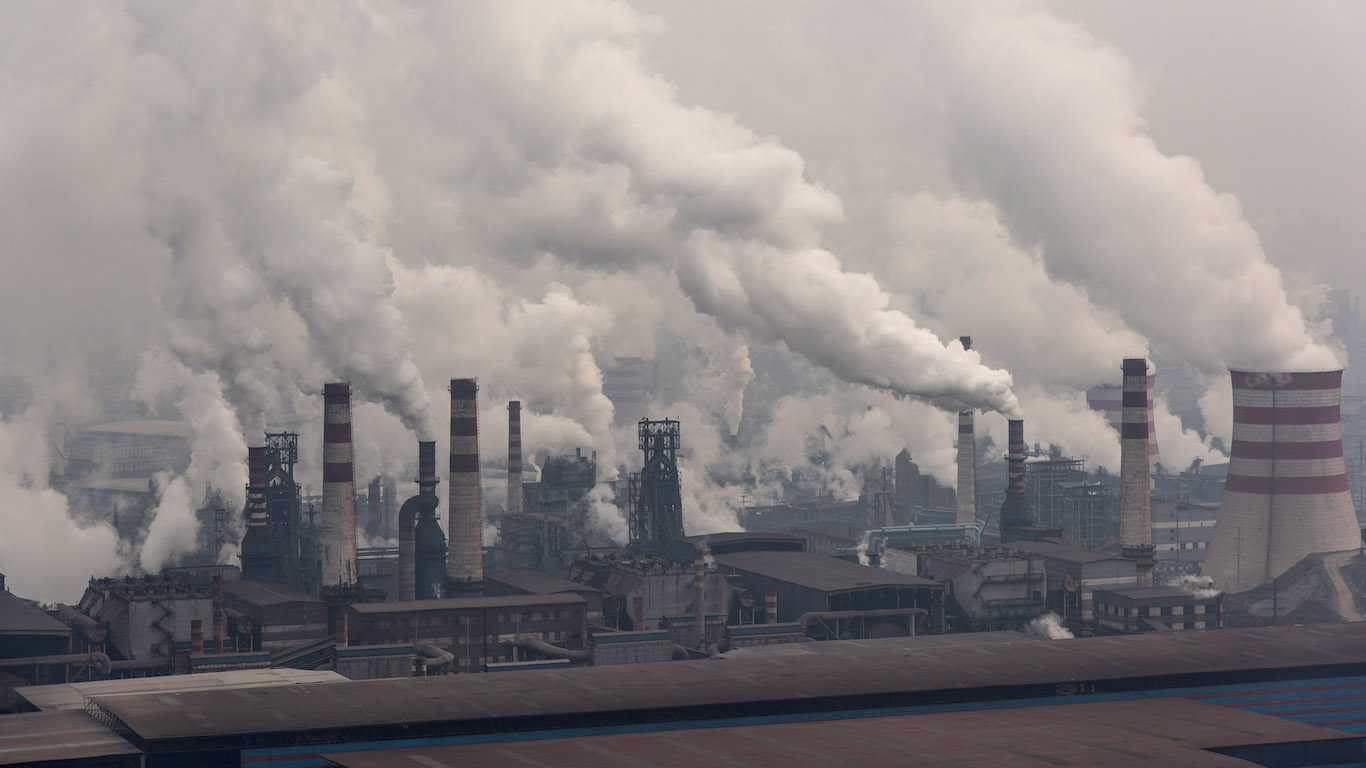
China’s central government has said, on a number of occasions, that it will move aggressively to fix the problem. Air pollution quality evidence indicates that is not true. And such efforts would carry huge risks. Many Chinese homes are heated in a way that increases air pollution. China is the world largest user of coal, and coal use is increasing. Cutbacks would cause a slowing of factory production, which is at the core of China’s economy. The only other source for a solution is car traffic. Several cities limit traffic on the days when air pollution is at its worse. One way to curtail emissions from cars it to limit their sales. As China is the world’s largest car market, that would undermine the sales of most of the world’s largest car manufacturers.
China has a very limited number of options to decrease its air pollution, and those efforts would undermine GDP growth that already is faltering.






 Top Gaining Stocks
 Top Losing Stocks