


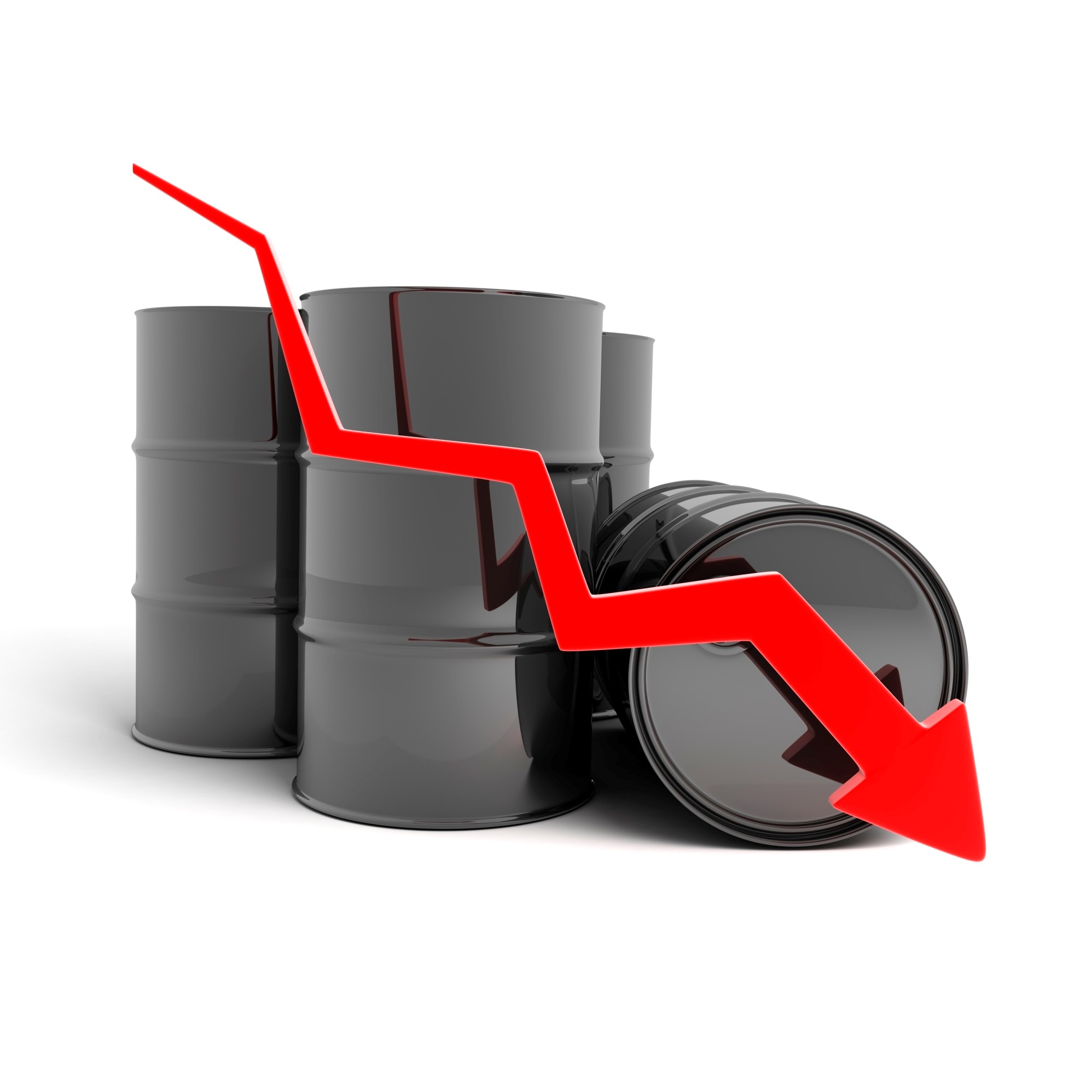
Any time there is a gigantic collapse in pricing, the same questions are always asked. How is it possible that something that was consistently trading in the $100 range like oil was can fall to the high $20 range in less than a year and a half? It’s happened with technology prices, and it has happened with home prices when they collapsed in 2007 and 2008. There is always a multitude of reasons and factors behind the collapse that contribute, and this time is no different.
The price of oil declined for numerous reasons, not the least of which was the surge in the value of the U.S. dollar in 2015 after years of rather benign weakness. Toss in massive exploration and production from the shale fields around the United States contributing to supply, and the inevitable over-production from OPEC and you had all the ingredients for a collapse.
In a recent research piece from Jefferies, the firm’s crack top energy analyst Tom Marchetti makes the case that on a probability-adjusted basis the skew too pricing has shifted materially higher. With oil demand surging in 2015, and expected to continue for the next five years in large part due to the lower pricing, something has to give.
Here are Jefferies six top reasons that oil should start to move higher in 2016.
1. The rig count in the United States continues to plunge as production drops and capital expenditures for drilling at all firms large and small are drastically cut. The bottom line, as hedges roll off in 2016, at current prices many companies plain and simple can’t make money.
2. The analysts also note that currently there is a very tight supply for U.S. light crudes. Obviously, a tight supply and consistent demand can drive the pricing levels higher.
[recirclink id=312438]
3. According to the Jefferies team, the lack of demand from China is way overblown, and the huge economy there should continue forward, albeit at a slower pace than in recent years.
4. Russia and OPEC, which the analysts define as Saudi Arabia, are closer to an understanding, which could tamper output. Rumors were rampant last week that a 5% cut could be in the cards.
5. Institutional investors are 3% to 4% underweight stocks in the energy sector. A positive move to the upside that looks sustained could force them to buy stocks with their vast amount of investor cash.
6. This may be one of the biggest reasons for the rapid decline and huge volatility that results in 5% to 8% swings seemingly every other day. Hedge funds and credit funds are short, and short big-time. Any sign of strength or headlines that look positive and they madly cover their positions, and if that strength looks like a head-fake, they immediately put them back on. This is so synthetic and not reflecting true supply and demand, that some analysts we have spoken to at 24/7 Wall St. feel that the price of oil could jump back into the $40 plus range fast, if an OPEC production cut did indeed happen.
As one can tell, the short-selling trade in the sector may be close to over. It’s also important to note that many of the oil-producing nations in OPEC, especially in the Middle East, have no other big revenue base. With budget deficits starting to spiral out of control as a result of the price weakness, they can’t continue to just pump more to make up the difference. In other words, something has got to give, and it could be sooner rather than later.








 Top Gaining Stocks
 Top Losing Stocks