


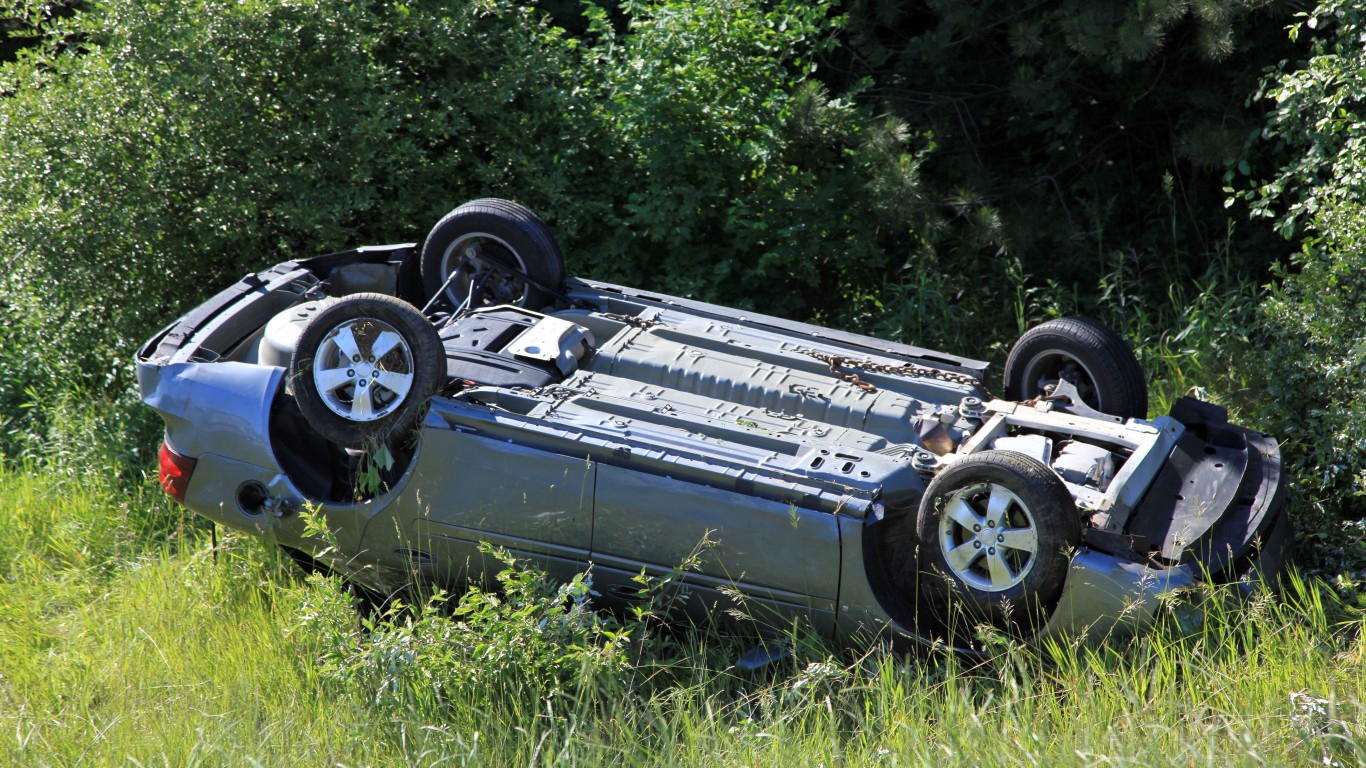
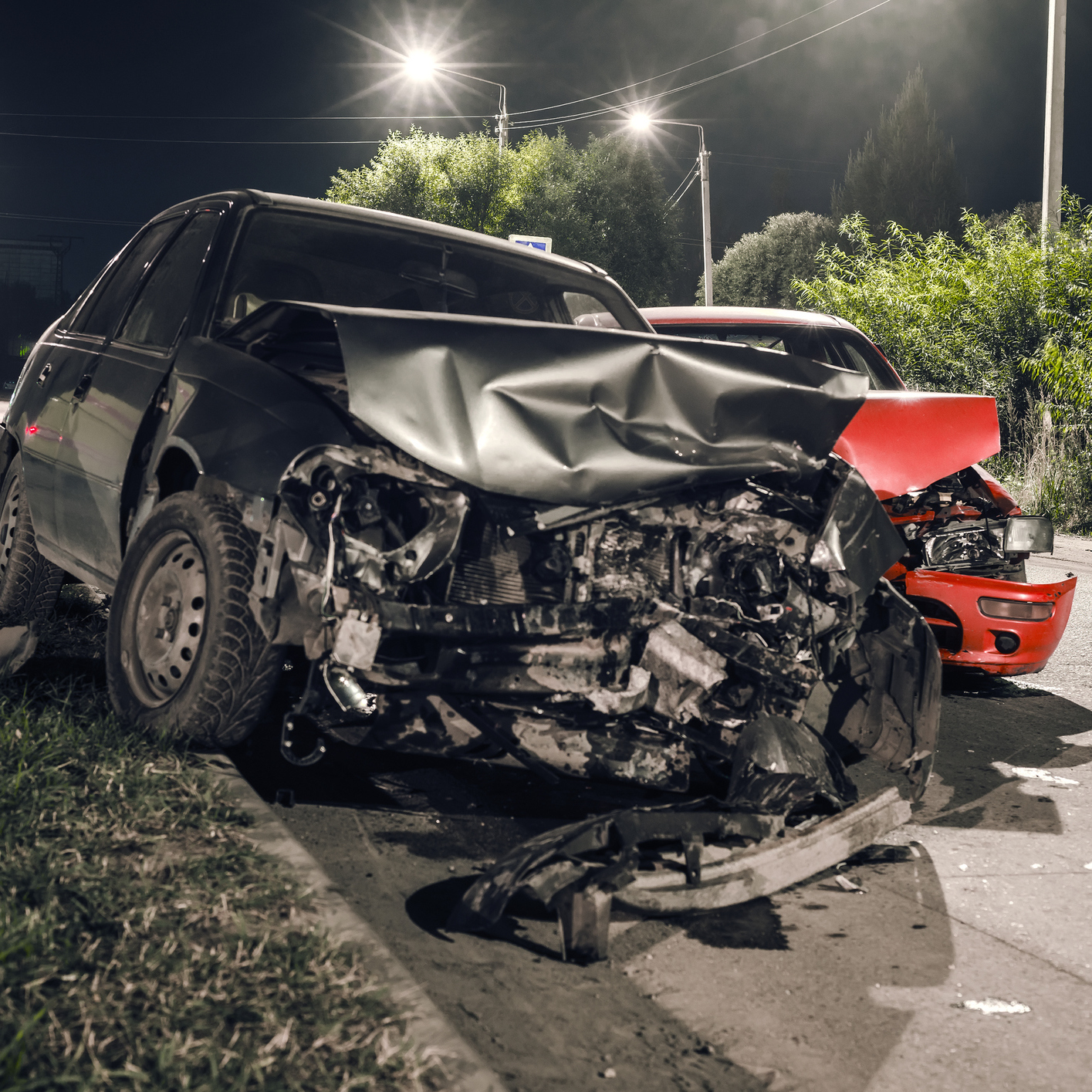
Car accidents across the United States have fallen year by year, due to a combination of drunk driving addressed by MADD, better cars with improved safety features, and likely better educated drivers. Some 439 drivers are expected to die in car accidents this Memorial Day weekend, despite all these improvements. The true advent of self-driving cars cannot come too soon.
By some process not entirely intelligible, the The National Safety Council claims this Memorial Day will be the deadliest since 2009, when 462 people were killed in car accidents. That year was in the depths of the recession, when many Americans were trying to save every penny. That makes the comparison even harder to understand.
The estimate comes as traffic fatalities continue to trend upwards. In February, NSC released its preliminary estimates showing motor vehicle fatalities had increased 8% in 2015 compared to 2014 – the largest year-over-year percentage increase in 50 years. Memorial Day also marks the unofficial start of summer, which always is a dangerous time on the roads. More than 9,570 people died on our roads in 2014 from May 24 and Aug. 31.
[nativounit]
The reasons for the danger fall into a few categories. People get sleepy while driving, they get drunk or the fun of the summer inclines them to relax their own safety standards.
“As Americans gear up for the most carefree months of the year, we cannot take our safety for granted,” said Deborah A.P. Hersman, NSC president and CEO. “Driving is one of the riskiest things we do every day. Engaging our defensive driving skills and staying alert can mean the difference between attending cookouts and family parties or spending the evening at the emergency room or worse.”
All in all, without being facetious or comedic here, cars without drivers have to be a benefit for safety. One of the pioneers in the industry recently released information on its effort. Chris Urmson, the director of Google’s self-driving car program, wrote:
Over the 6 years since we started the project, we’ve been involved in 11 minor accidents (light damage, no injuries) during those 1.7 million miles of autonomous and manual driving with our safety drivers behind the wheel, and not once was the self-driving car the cause of the accident.
Better even than MADD.
[wallst_email_signup]





 Top Gaining Stocks
 Top Losing Stocks