



(www.detroitstats.com), one of the new family of city statistics sites launched by 24/7 Wall St. LLC, went live last week.
Stories at the site:
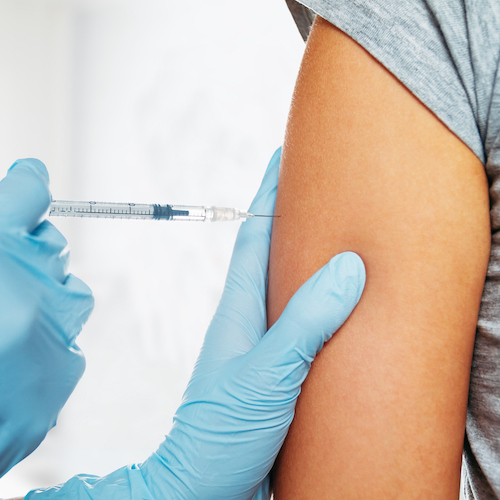
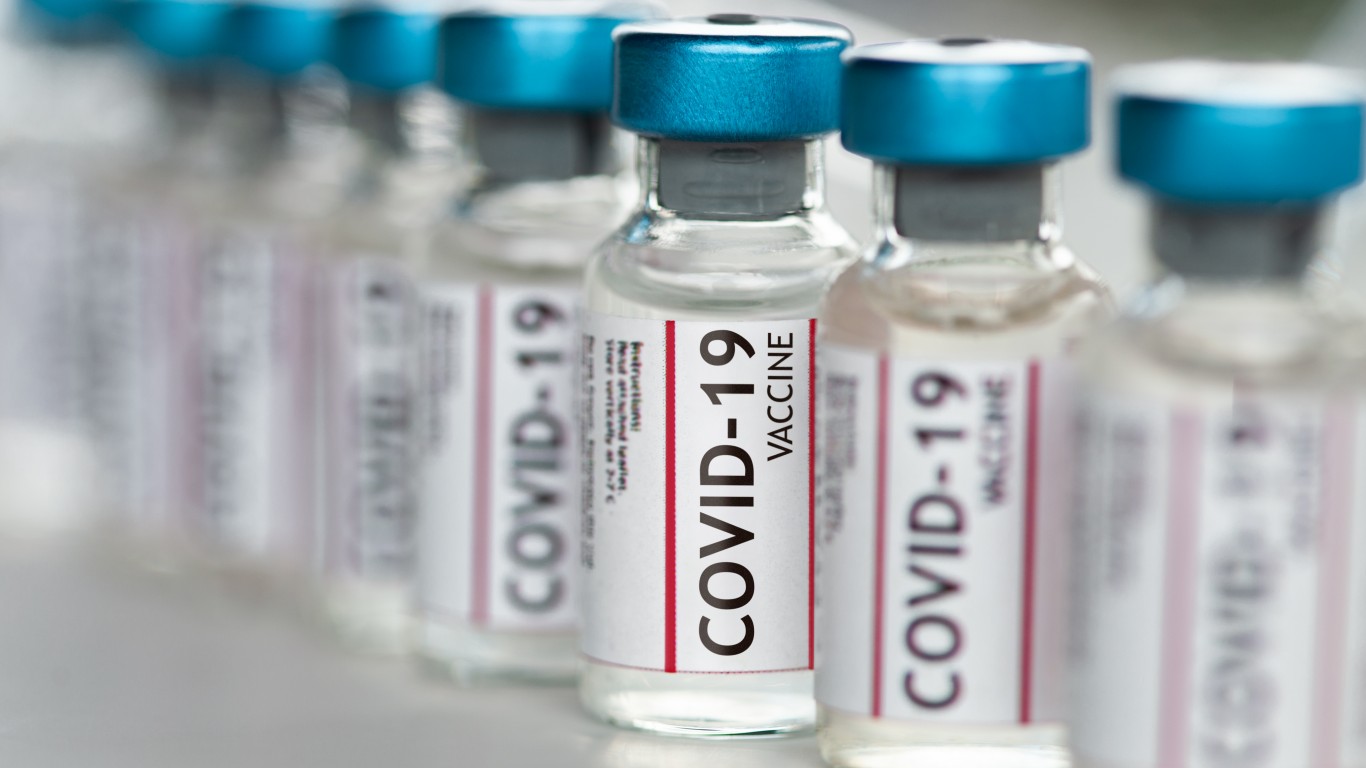
Michigan Has the 4th Lowest Vaccination Rate
Despite longstanding recommendations to vaccinate, preventable infectious diseases are still a major cause of disability and death in the United States. The current immunization schedule saves 33,000 lives, prevents 14 million cases of disease, and saves tens of billions of dollars in health care costs a year. While progress has been achieved, still an estimated 42,000 adults and 300 children in the United States die each year from vaccine-preventable diseases.
In an interview with 24/7 Wall St., Shannon Stokley, associate director for science at the Immunization Services Division of the Centers for Disease Control and Prevention, said that all vaccinations are important. In the United States, vaccines are used to prevent as many as 24 diseases in children and adults, from measles and polio to pertussis and the flu.
According to Stokley, the fourth dose of the DTaP vaccine is a good indicator of immunization status in a state. The DTaP is a series of vaccinations against diphtheria, tetanus, toxoids, and acellular pertussis, which is recommended for children in the second year of life. The fourth dose prevents against pertussis, known as whooping cough — a highly contagious disease that can be fatal in infants.
Cases of whooping cough have declined from around 200,000 cases a year before vaccination was introduced to around 1,000 at the low. In 2014, nearly 33,000 cases were reported.
For the rest of the story about state vaccination rankings visit here.
Detroit is the 11th Worst Paying City for Women
Former Secretary of State Hillary Clinton has recently made history as the first female nominated for president of the United States. Her nomination brought some long-standing issues of gender equality to the political foreground. While progress has been made over the years, there is still a real and significant gender pay gap in the American workplace. The typical female worker earns less than 80% of the earnings of the typical male worker.
That gap is much worse in those industries that have historically excluded women. It is also much worse in certain parts of the country that, for a number of reasons, are still far further behind on the path to gender pay equality. Some places, such as Cape Coral, Florida have a smaller pay gap, and women there earn 93.6 cents for every dollar area men earn. In Provo-Orem, Utah women earn a median income of $33,504 a year, or just 64.3% of the male median wage. 24/7 Wall St. reviewed the 10 major metropolitan areas with the largest pay gap and the 10 metros with the smallest gap.
A review of the data shows that even in areas where the pay gap is relatively smaller, this is not necessarily because they are better represented in higher-paying fields where they earn similar wages to men. Rather, in many of the metropolitan areas with the smallest pay gaps, men are either paid less — but still more than women — in traditionally high-paying jobs, or women are less represented in traditionally low-paying industries, notably the food services sector.
Click here for the best cities for women
KEY DETROIT STATS
Income & Output Rank*
Median household income $52,462 127
Poverty rate 16.1% 197
GDP (millions) $219,862 13
GDP growth 2.2% 121
Housing
Median home value $136,400 245
Median rent $853 243
Homeownership rate 68.0% 113
Education
Pct high school grads 89.1% 169
Pct college grads 29.4% 130
Pct graduate or prof. degree 12.0% 90
Population
Population 4,302,043 14
Pct white 67.4% 249
Pct black 22.4% 49
Pct asian 3.6% 79
Pct hispanic or latino 4.1% 277
Pct other 2.5% 181
Labor
Employment (Jun-16) 1,951,247 13
Unemployment (Jun-16) 5.1% 220
Employment growth 4.1% 23
Social Characteristics
Avg. commute time (min) 27.0 343
Median age 39.9 122
Pct under 18 22.9% 175
Pct over 65 14.7% 196
Population density 1,104.9 12
Crime
Violent crime rate 529.4 50
Murder rate 8.7 24
Robbery rate 125.5 51
Aggravated assault rate 350.3 57
Health
Life expectancy 77.3 253
Smoking rate 18.3% 243
Obesity rate 30.8% 248
Physical inactivity rate 23.0% 156
*Rank of 381 metropolitan statistical areas
To visit the entire Detroit Stats site, visit here.












 Top Gaining Stocks
 Top Losing Stocks