


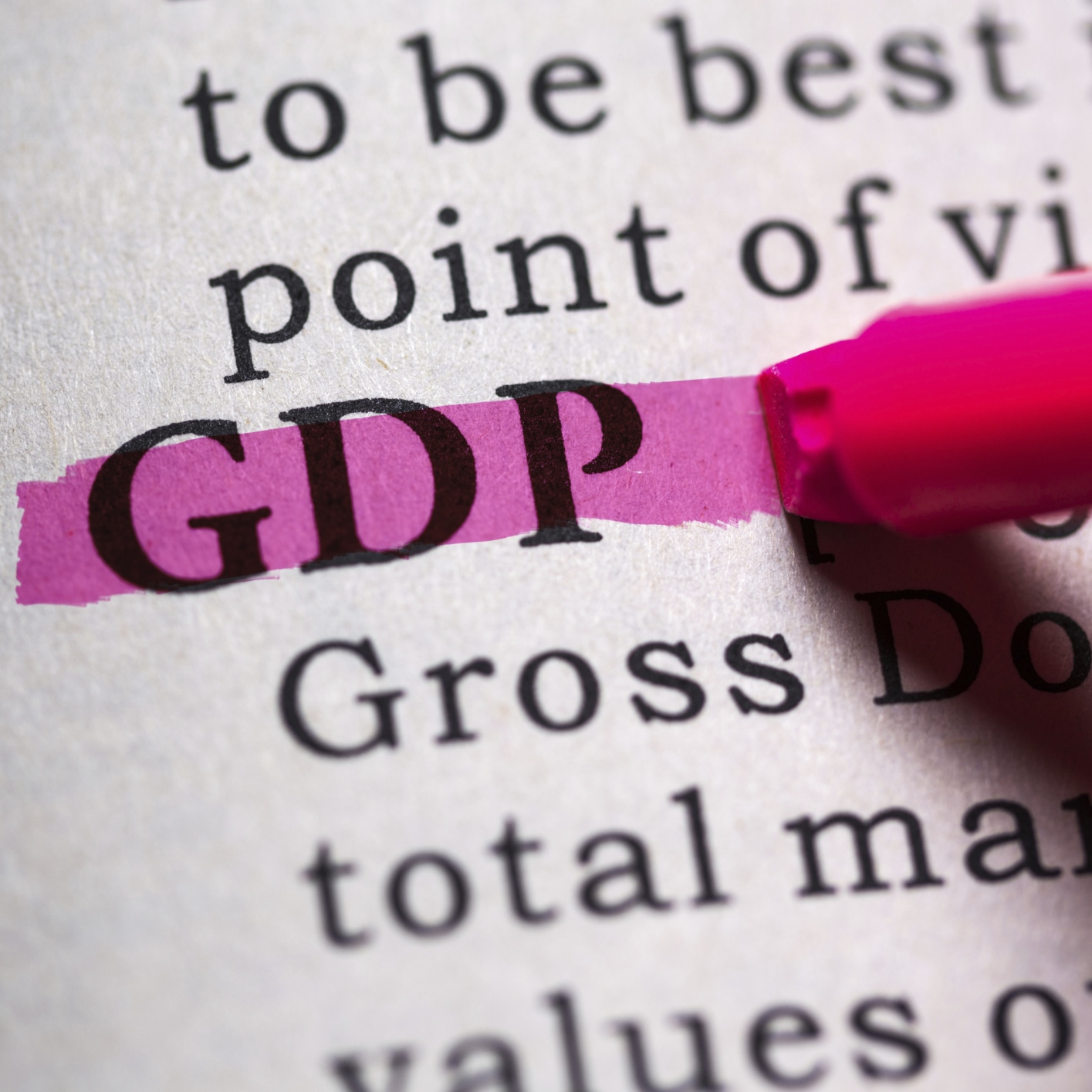
If you have listened to the endless political rhetoric in the presidential election, you might worry that the economy is driving off a cliff. Things might not be all perfect, and there are some serious drags happening. Still, the all-in economic readings are not quite signaling that the next economic mudslide is imminent. even if the economic recovery remains exceptionally dull.
24/7 Wall St. wanted to highlight several key economic releases for the week ending October 21. The purpose for this review is that the first look at third-quarter gross domestic product (GDP) is due on Friday, October 28, 2016.
GDP has been closer to 1% so far in 2016, and economists and investors alike have trusted that the second-half recovery will swing the economy higher again. Dow Jones and Thomson Reuters both had consensus estimates calling for GDP to be up 2.5%, with a 1.3% price gain.
These are the positive readings seen that stood out during the week of October 21.
The Conference Board released its Leading Economic Index on October 20, showing a 0.2% gain in September to 124.4. This follows a 0.2% decline in August and a 0.5% gain in July. It met the consensus estimate from Bloomberg.
[nativounit]
The Federal Reserve’s Beige Book was released on October 19, and we broke this down into 14 basic points to segment the whole economy. We counted that “modest,” “moderate” and “mixed” were used to describe the economy over 170 times — but that was still positive on a net basis.
Consumer inflation is measured by the Consumer Price Index, and this index actually showed that core inflation was within an acceptable level for the Federal Reserve to justify hiking interest rates. This is still rather narrow, but rising prices have been seen, and that generally happens in better times than in worse times.
This may have been assumed with higher rig counts, but a survey from the Dallas Fed showed more positive oil and gas industry spending data. This was far from the glory days of oil, and there remains some caution, but after 2015’s decline into the start of 2016, the oil barons probably will be happy with any positive news they can get.
The Philadelphia Fed’s manufacturing survey looked a bit down for October, but if you parse through the whole report it is still signaling growth.
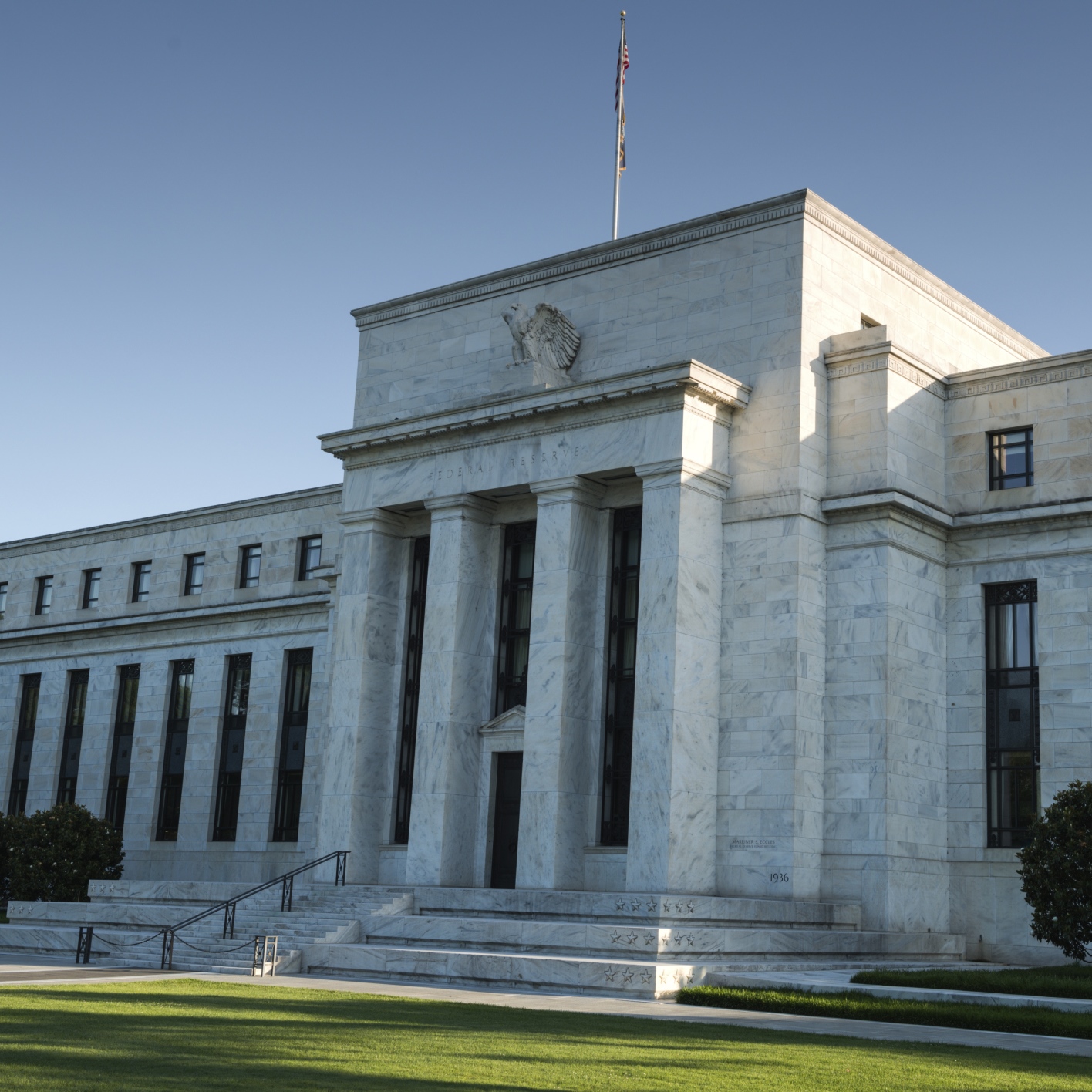
Those were the five points seen this week, but we also pointed out last weekend that more Fed presidents are talking up the need to hike interest rates than we have seen in longer than can easily be recalled. This has continued, but there were fewer speeches and presentations by Fed officials this past week.
24/7 Wall St. has noticed that some economic watchers want to look at measurements other than GDP to measure the economy. After all, consumer spending accounts for about 70% of GDP. That means that saving money for a rainy day hurts GDP, yet we all need to save money from time to time. Also, the official unemployment remains around 5%, and the lack of inflation has been good for consumers when you consider that wages have only just recently started to rise again. Still, the unfortunate part of trying to avoid using GDP as the key benchmark is that GDP is the driving force of how the economy is measured. It is GDP that is measured for expansion and recession.
Stay tuned.
[wallst_email_signup]












 Top Gaining Stocks
 Top Losing Stocks