


Wednesday’s economic release calendar included a key inflation reading from the U.S. Department of Labor. The Consumer Price Index (CPI) is the key measurement of consumer inflation, and the October reading was higher due to higher gasoline prices. That increase from October is likely to have already seen its impact muted after crude oil’s worst losing streak since they started tracking futures prices back in the early 1980s.
Headline CPI rose by 0.3% on the monthly reading in October, which was the largest one-month gain since January. Backing out the food and energy prices made the monthly gain 0.2%, on the core CPI reading. These effectively met the consensus estimates from Dow Jones.
Where CPI really shows up in the inflation reading is on the year-over-year comparisons. Headline CPI was up 2.5% from October of 2017, and the core CPI reading was up 2.1%.
According to the Bureau of Labor Statistics (BLS), the increase in the gasoline index during October was responsible for over one-third of the seasonally adjusted increase in the all-items index. Additional price hike contributors were shelter, used cars and trucks, and electricity. Also, the subindex prices of medical care, household furnishings and operations, motor vehicle insurance, and tobacco all posted gains in October.
[nativounit]
One area that saw a large price gain was used cars and trucks, rising 2.6% from the prior month, the largest gain in over eight years.
The BLS report described the energy contribution over the prior year as follows:
The energy index increased 8.9 percent over the last 12 months. The gasoline index rose 16.1 percent over the span, while the fuel oil index increased 26.2 percent. The electricity index increased modestly, rising 0.7 percent over the last year. The index for natural gas, in contrast, declined 2.1 percent over the last 12 months.
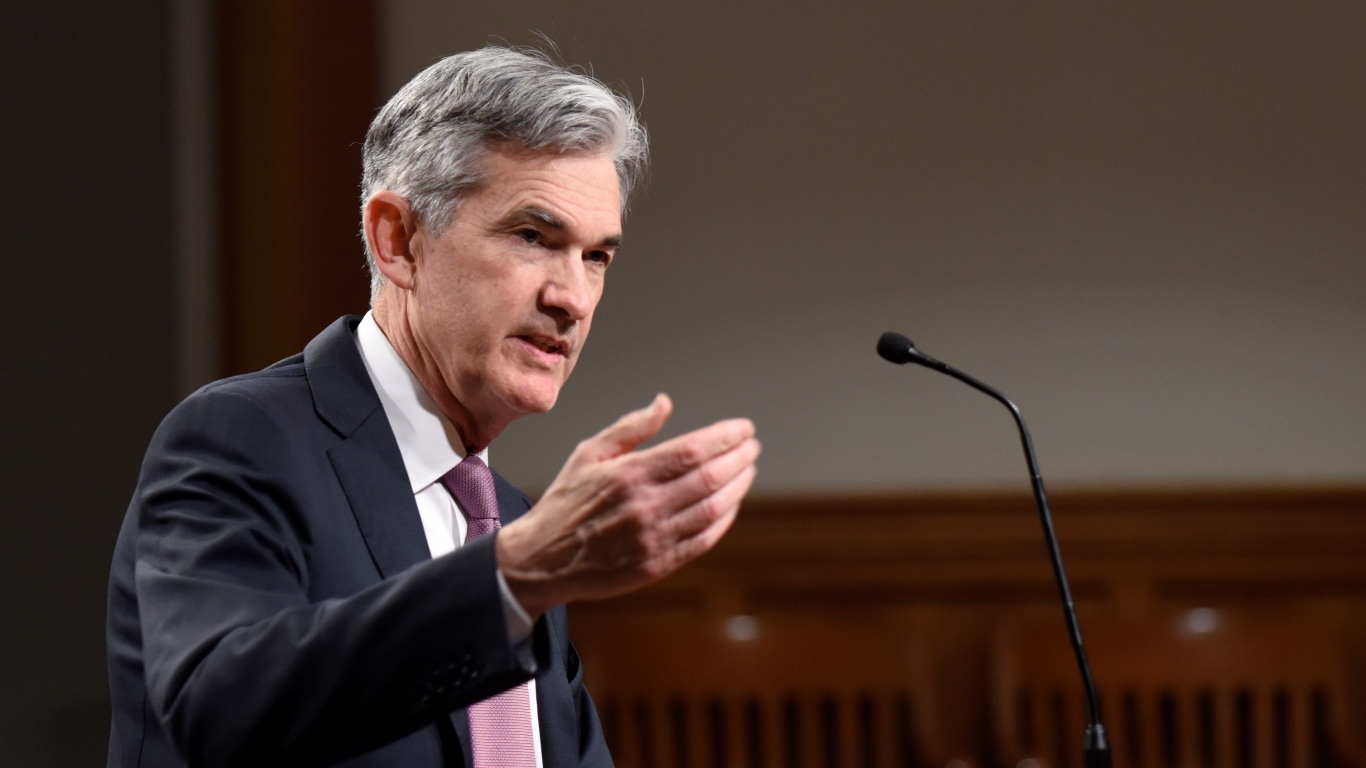
While the inflation readings are still elevated, this is probably more of a mixed bag report that wasn’t enough of a gain to spook the Federal Reserve into more aggressive hikes, if you consider what has happened to oil prices during November. Fed Chair Jerome Powell still has enough cover to keep raising interest rates gradually if he just reads the economic reports, but a look at the driving force of inflation (that’s still gas prices) had oil at $75 at the beginning of October, compared with under $57 on Wednesday. Oil had dropped 12 straight days prior to Wednesday.
The Dow Jones industrial average was last seen up about 140 points at 25,427, and the S&P 500 was up 16 points at 2,738. The yield on the 10-year Treasury note was last seen at 3.16%, and the 30-year yield was 3.39%.
[recirclink id=505194]
[wallst_email_signup]












 Top Gaining Stocks
 Top Losing Stocks