



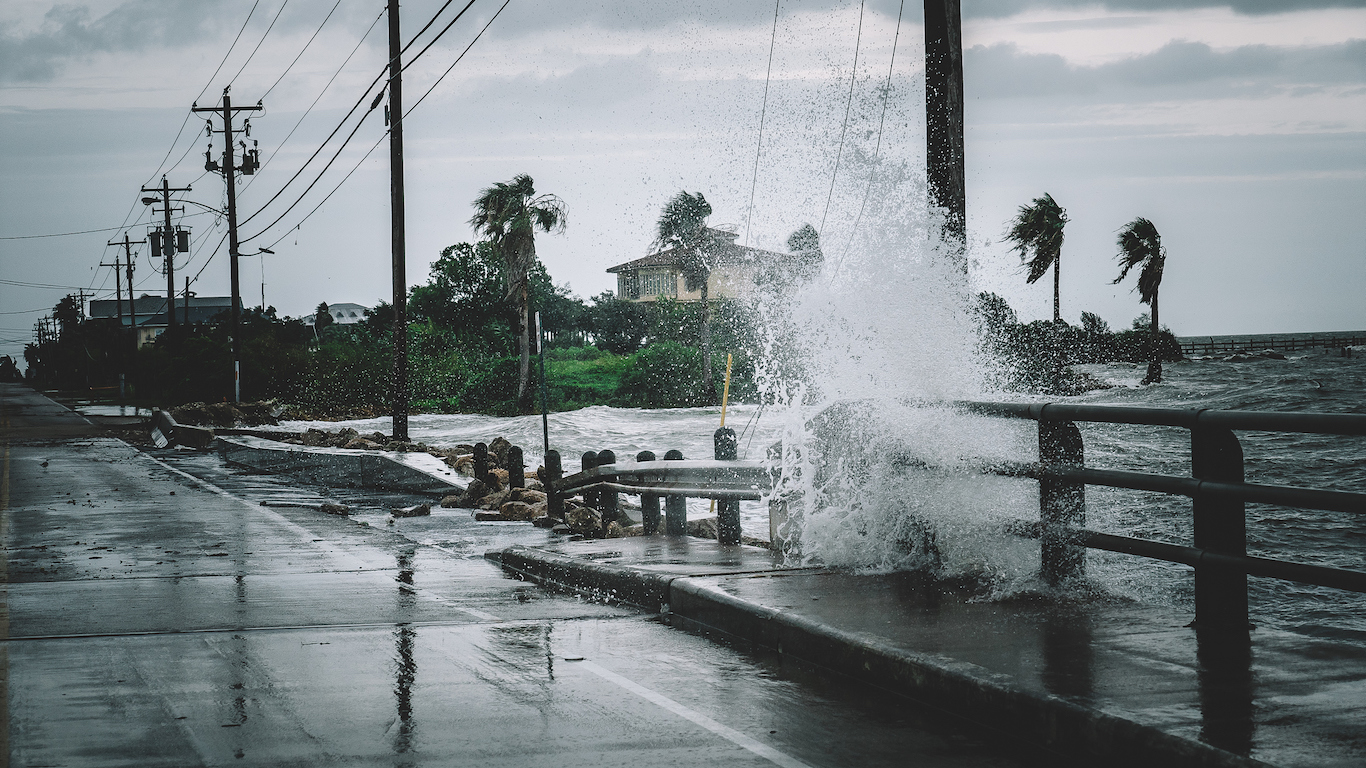
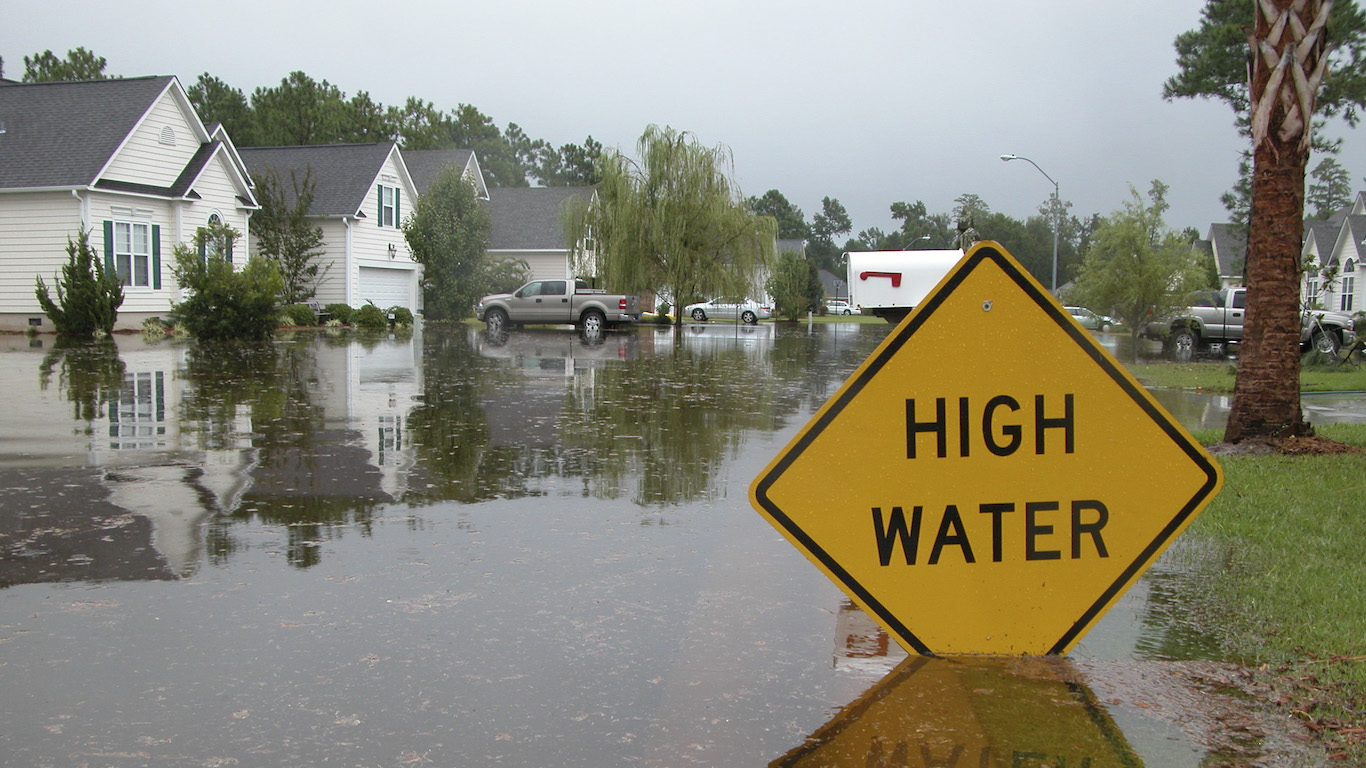
By 2035, about U.S. 170 communities, or twice as many as today, will face chronic flooding, with more than 100 seeing at least a quarter of their land chronically flooded, if preventative measures are not taken, according to one scenario provided by the Union of Concerned Scientists (UCS) in a new report.
Seventy percent of these communities will be in Louisiana and Maryland, where land subsidence is adding to rapid rates of an increase in sea levels. The report, titled “When Rising Seas Hit Home: Hard Choices Ahead for Hundreds of US Coastal Communities,” says more than half of these 170 communities are home to socioeconomically vulnerable neighborhoods.
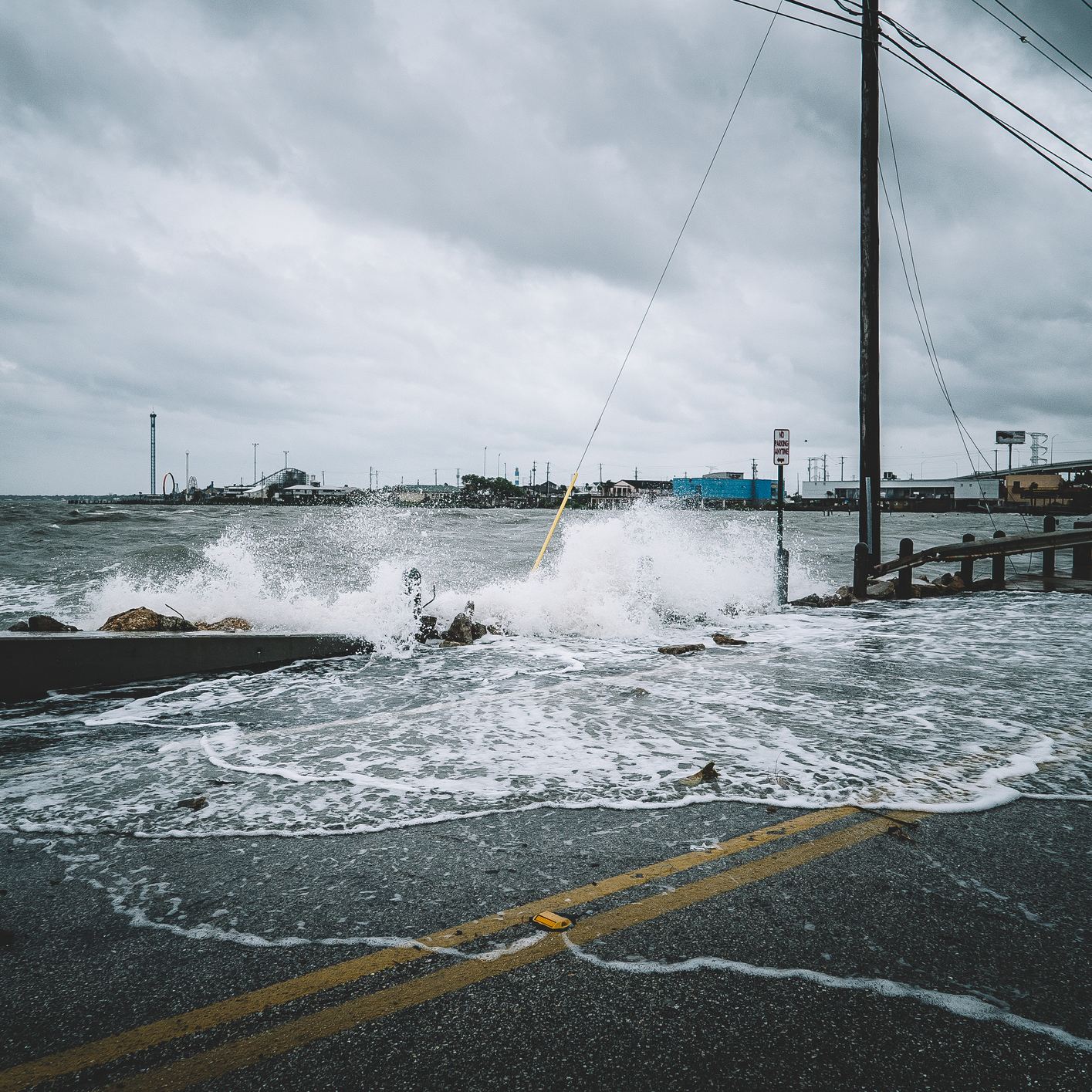
The analysis from the UCS identifies when American coastal communities will face a level of disruptive flooding that affects people’s homes, daily routines and livelihoods. The analysis also identifies hundreds of communities that will face chronic inundation and possible retreat over the coming decades as sea levels rise.
In the analysis, the chronic inundation threshold is defined as flooding that occurs 26 times per year (on average, once every other week) or more. Communities where more than 10% of usable land exceeds this threshold are considered chronically inundated.
[nativounit]
By the end of the century, given moderate sea level rise, the UCS predicts nearly 490 communities — including 40% of all East and Gulf Coast oceanfront communities — will be chronically inundated. Given more rapid sea level rise, nearly 670 coastal communities will face chronic inundation by the end of the century. UCS said this number includes nearly 60% of East and Gulf Coast oceanfront communities. Given that same rate of sea level rise, more than 50 heavily populated areas — including Oakland, Miami and St. Petersburg, Florida, as well as four of the five boroughs of New York City — will face chronic inundation by the end of the century.
The findings come following the Trump administration’s withdrawal last month of the United States from the international climate deal known as the Paris Agreement. In its report, the UCS intended to highlight what’s at stake in regard to addressing sea level rise and global warming. The report also provided affected communities a measure of how much time they have to prepare.
Among the other key findings in the report:
- By 2060, about 270 communities will face chronic inundation with intermediate sea level rise. This number climbs to 360 under the UCS’s high scenario. About 40% of chronically inundated communities in either scenario would see at least half of their land flooded.
- By 2100, about 490 communities, including about 40% of all oceanfront communities on the East and Gulf Coasts, will face chronic inundation with intermediate sea level rise, with nearly 300 seeing at least a quarter of their land flooded — about 60% of all oceanfront communities on the East and Gulf Coasts under the high scenario.
UCS says reductions in global warming emissions, similar to those planned under the Paris Agreement, may slow the rate at which sea level rise is accelerating and save many communities from chronic inundation. However, the scientist group says increased flooding is inevitable for many towns and cities and that adaptation is essential.
[wallst_email_signup]










 Top Gaining Stocks
 Top Losing Stocks