


After a 2017 hurricane season that saw three Category 4 storms hit the United States, including Puerto Rico, and cause an estimated $265 billion in total damage, most of us might conclude that hurricanes are the costliest natural disaster. Hurricane Harvey caused $125 billion in damages, mostly in Texas, while Hurricane Irma caused $50 billion in damages, mostly in Florida, and Hurricane Maria blasted through Puerto Rico causing some $90 billion in damages.
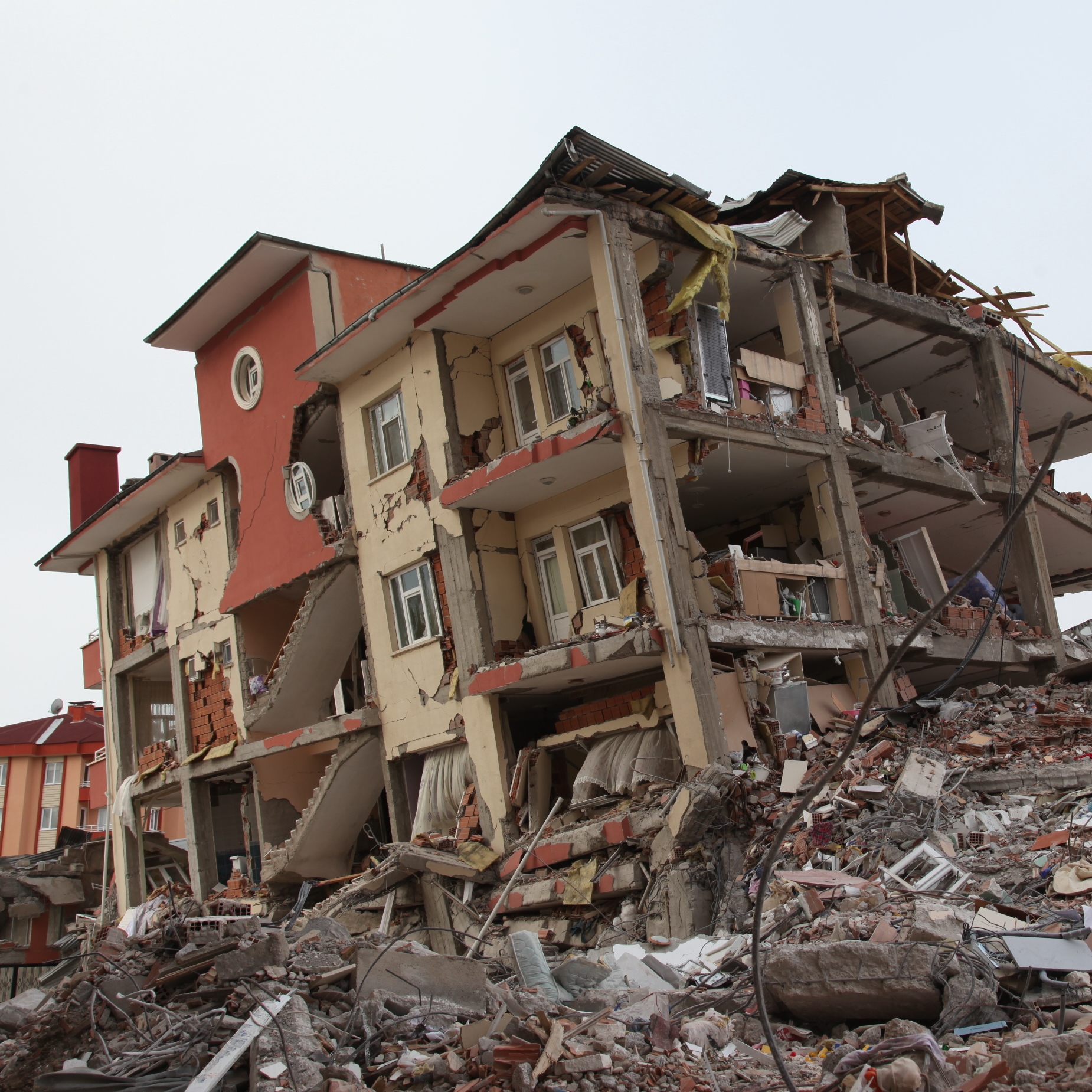
But for the 47-year period between 1970 and 2016, 20 major hurricanes caused an average economic loss of $29 billion. During the same period, seven major earthquakes caused an average of almost $75 billion in economic damages.
The data were included in a presentation last November by Kevin Kliesen of the St. Louis Federal Reserve Bank. Kliesen examined the 40 costliest natural disasters in the 47-year period. Of those 40, 20 were hurricanes or typhoons, seven were earthquakes, three were floods, eight were storms (summer thunderstorms, tornadoes and hail; winter blizzards), one was drought and one was man-made (the 9/11 terrorist attacks).
The economic loss from the 9/11 attack posted the single largest disaster loss ($131.5 billion) recorded during the study period and the second-highest number of victims (2,982).
[nativounit]
The factors that have significant effects on how much economic damage is caused by natural disasters include how predictable they are and how much time people have either to prepare or evacuate; how long the event lasts; and how many people live in the affected area.
Although Kliesen does not go into detail about the destructiveness of earthquakes, based on these factors it’s clear why they are so devastating: there is essentially no warning, a severe earthquake can last for several minutes and aftershocks can occur for days, and, in the United States, the most severe earthquakes occur along the heavily populated (and expensive) coast of California.
Extrapolating from Kliesen’s numbers, the total cost of hurricane damage in the 47-year period totals about $580 billion. Even adding in the $265 billion in damage from the three major storms of last year, the total $845 billion loss averages $36.4 billion per incident, just under half the average damage from a single earthquake.
The number of victims of earthquakes came to 4,305 over the study period, much higher than the 372 victims of earthquakes or the 287 flooding victims. Only the 9/11 attack even came close. Storms (125) and drought (123) posted the least number of victims.
A video of Kliesen’s presentation is available at the St. Louis Fed website.
[recirclink id=439033]
[wallst_email_signup]









 Top Gaining Stocks
 Top Losing Stocks